

“The first generation were quiet, the second generation felt they couldn’t ask, and now the third generation tries to find out what happened.”
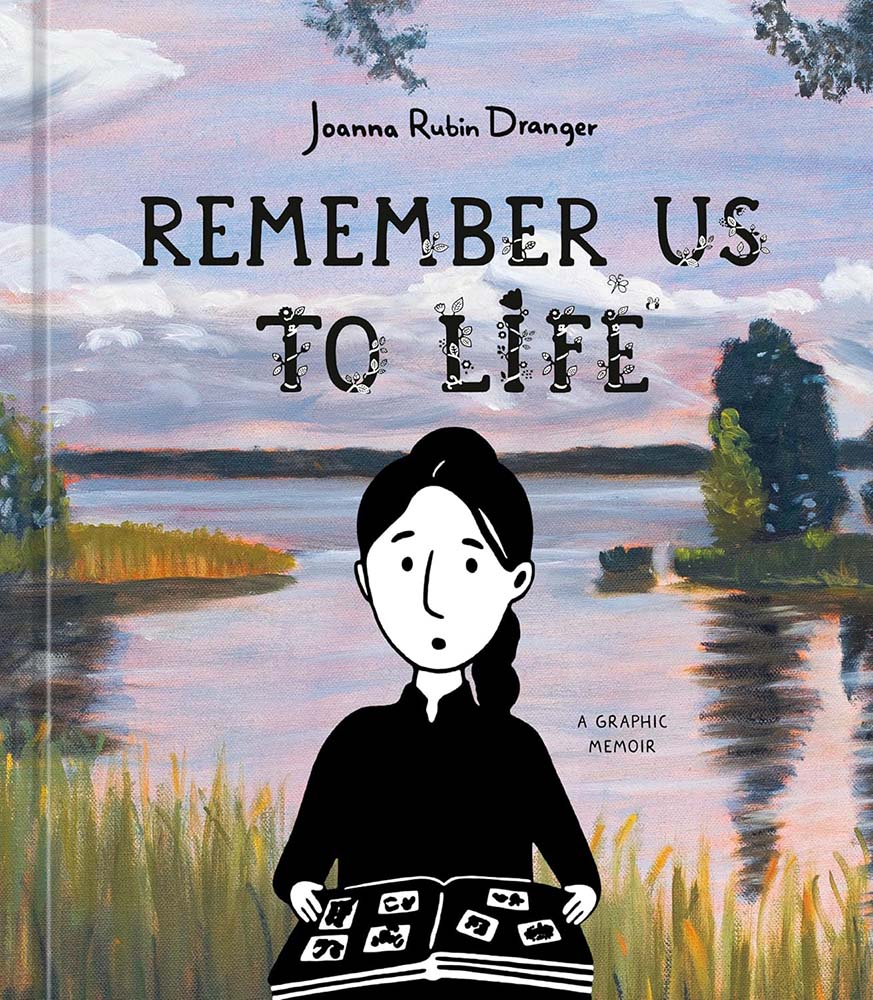
It’s a framing that haunts Remember Us to Life, and one that Swedish cartoonist Joanna Rubin Dranger takes as both a personal and historical charge. In her extensively researched graphic memoir, Dranger begins her quest close to home. She starts with her aunt Susanne — a woman she closely resembled and with whom she was quite close. Susanne was diagnosed with depression and later took her own life. That grief becomes the first thread in a much wider unravelling. Her need to understand Susanne’s fate broadens into an excavation of the many family members who “disappeared” during the Holocaust.
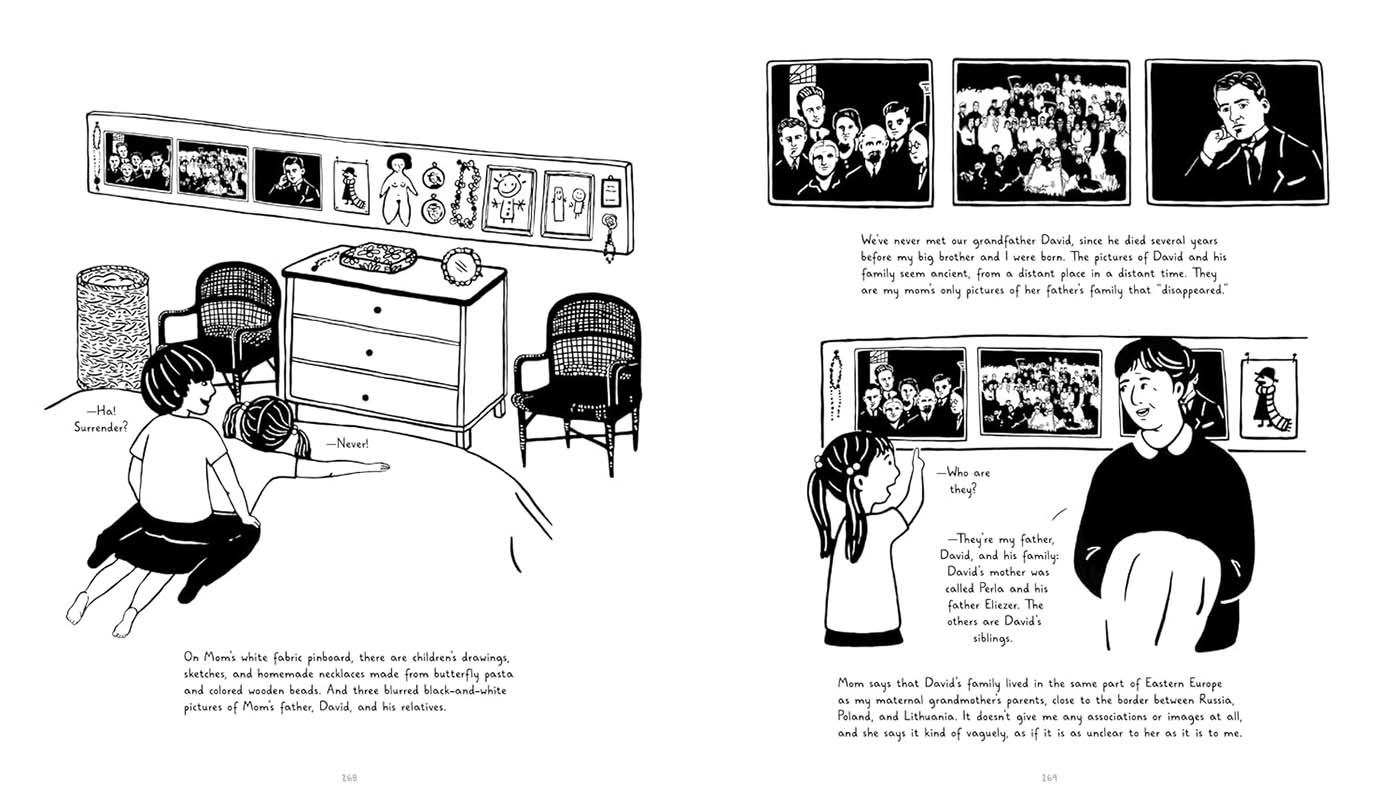
In its approach, the book invites comparisons to Mira Jacob’s Good Talk as Dranger employs a mixed-media visual language that weaves together illustration and archival photographs, portraits and reproduced documents, building a visual testimony that is as much archive as artwork. The bold blacks and expansive white spaces of her illustrations carry an aesthetic charge that feels entirely appropriate to the subject matter. It’s like a visual vocabulary that speaks to the starkness of the history being discovered and it is restrained and evocative in equal measure.
One of the book’s most illuminating threads concerns Sweden’s wartime role. Often considered as a neutral bystander during World War II, Sweden in fact upheld antisemitic policies and shared detailed records of its Jewish population with Nazi Germany. Dranger presents this not as an accusation delivered with the benefit of hindsight, but as an uncomfortable truth surfaced through her own research, which ends up complicating the national narrative she grew up with. Her interrogation of Sweden’s complicity becomes a wider meditation on how nations construct and protect their own myths.
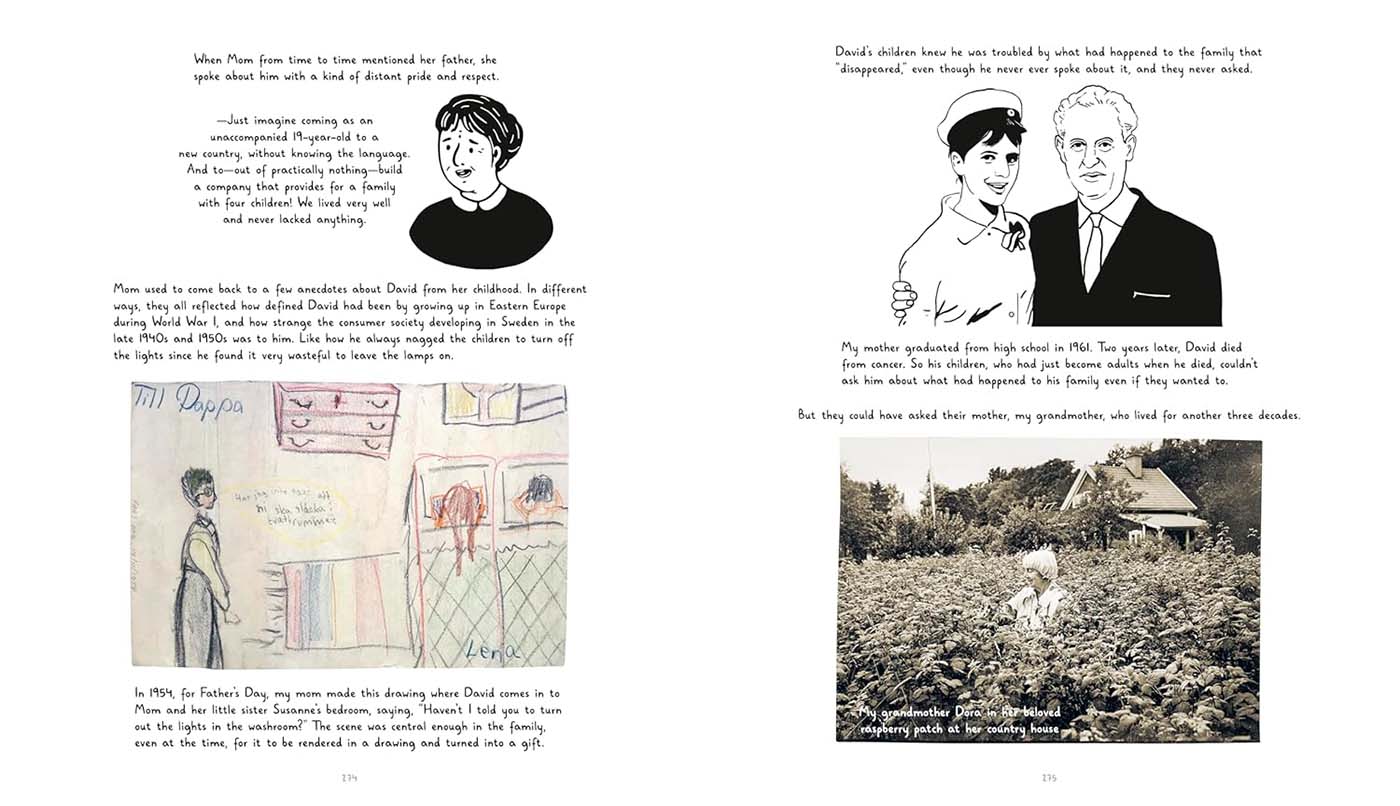
Remember Us to Life also traces the emotional lineage of inherited trauma with considerable power, mapping how violence endured generations ago continues to lurk in the shadows of collective and individual psyche. Some of the episodes Dranger recounts carry a chilling familiarity in the context of recent events, a reminder that the ideologies she documents are far from safely historical.
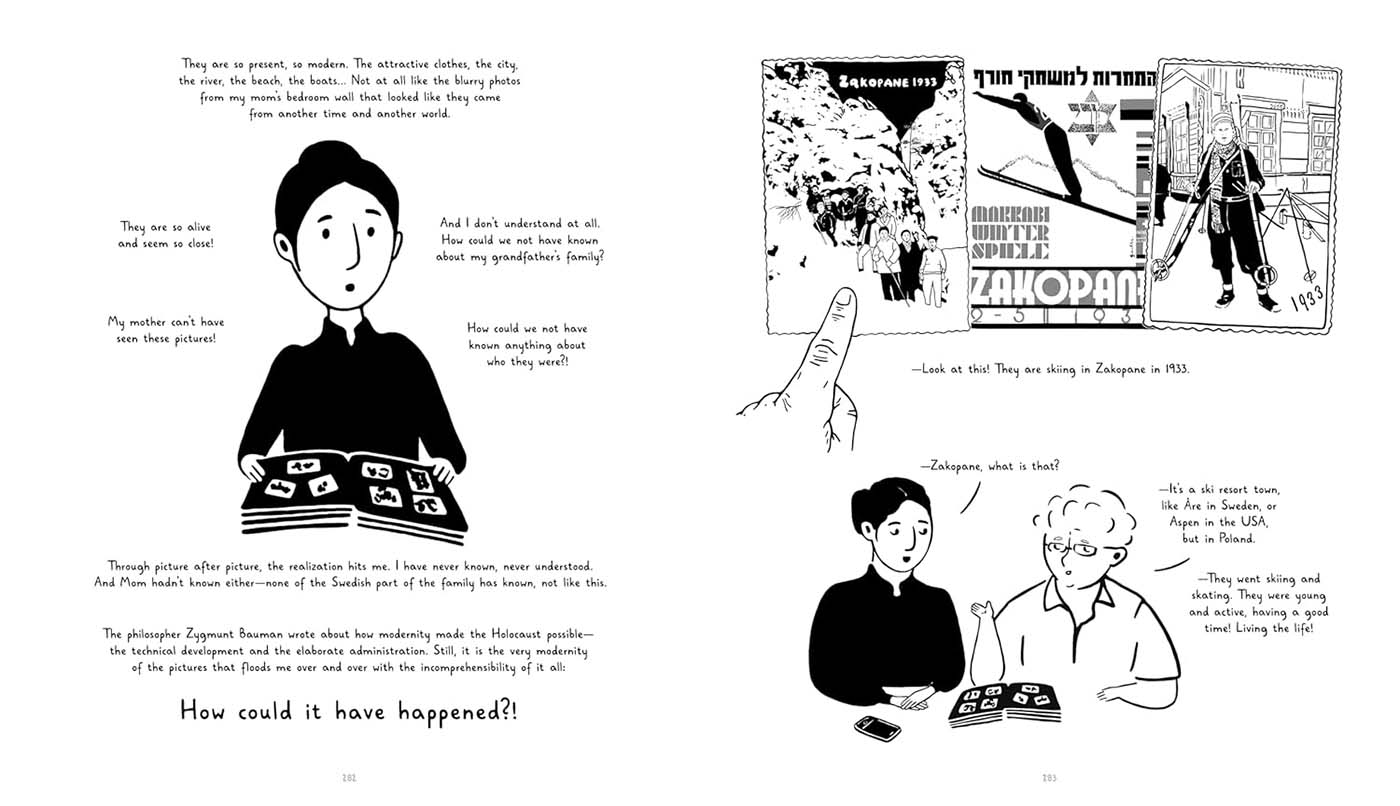
At over 400 pages, this is a book that demands full presence from its reader — emotionally and informationally. That weight is, at times, genuinely overwhelming, but it is also the point. Dranger summons as much truth as she can. Maura Tavares’ translation deserves a special mention for summoning spirit of the narrative and being spot on with the book’s emotional register.
Remember Us to Life is deeply poignant, giving voice to the stories of those who never had the chance to tell them.
Joanna Rubin Dranger (W/A), Maura Tavares (T) • Penguin, £30.00
Review by Swati Nair