

In graphic novel Romo the Wolfboy, veteran artist ILYA takes his readers to the colourful world of a Victorian travelling circus. This is the first in a possible series of tales about a feral boy captured from the wild and his ambitious companion teaming up to become ‘Criminologists Extraordinaire,’ as the cover proclaims. In the ‘Strange Case of Cackle and Hide’, the story covered in this volume, Romo meets Francis for the first time and they join together to unveil the mystery behind attempted sabotage at the Blimey O’Riley Circus.
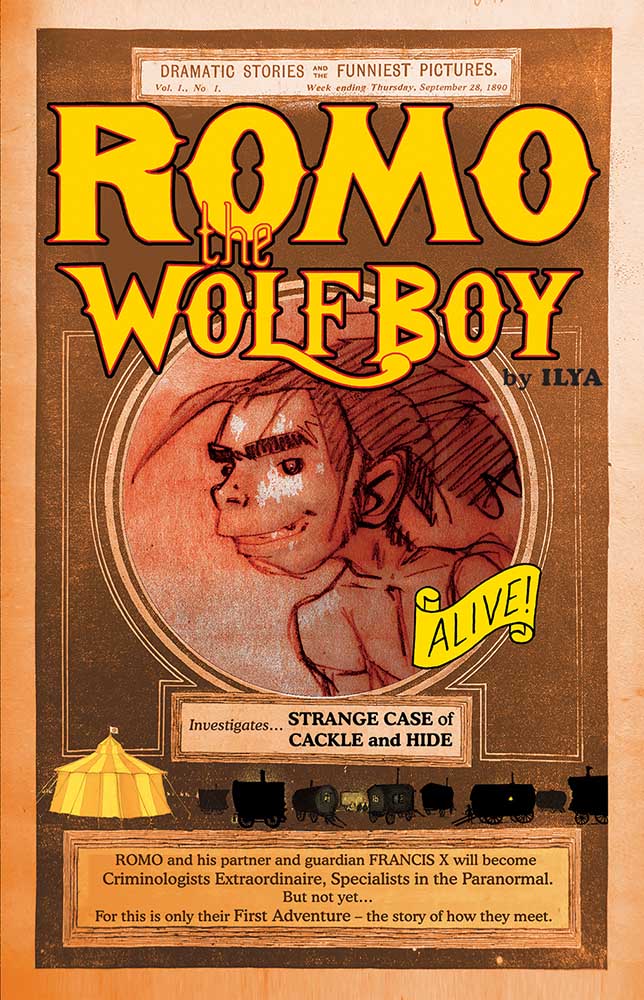
Romo the Wolfboy is an adventure comedy with certain supernatural elements thrown in. Its creator, ILYA, is an acclaimed comic artist from the UK and has already worked with many established and independent publishers. Romo the Wolfboy was initially launched through Kickstarter, and following its crowdfunding success, it was published by independent publishing house of comics SelfMadeHero.
The book is narrated in an episodic structure and follows a Victorian style right from its cover. Instead of the fast and dynamic storytelling in recent graphic novels, Romo the Wolfboy follows a more atmospheric approach that observes the events from a distance. The lack of overt engagement allows readers to immerse themselves in the setting of the circus and feel the mystery.
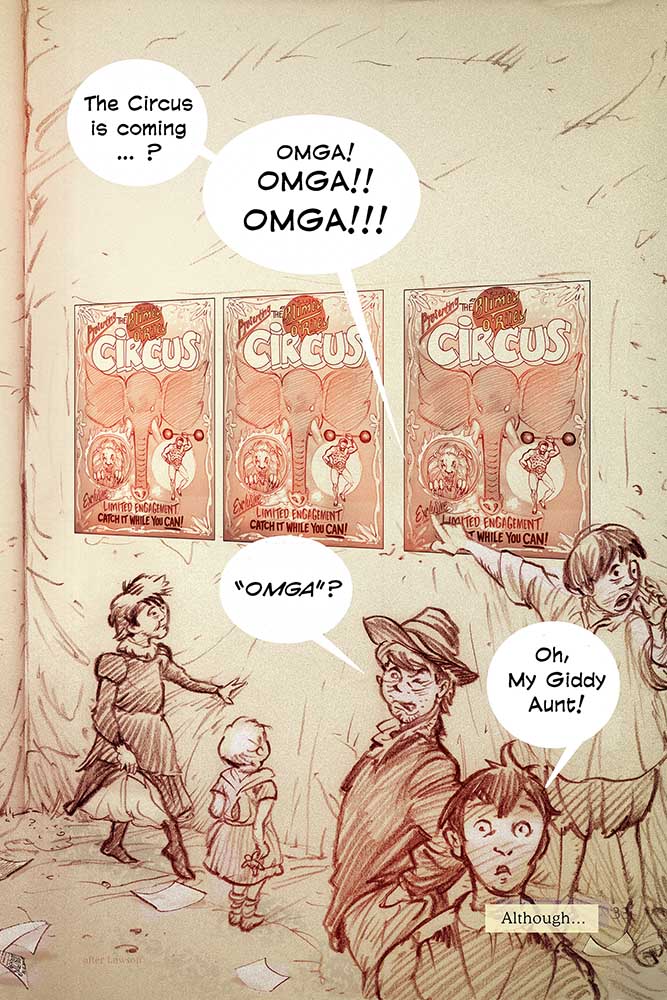
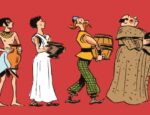
The travelling circus is the focal point of the plot. Like the newly joined worker Francis, its world gradually unfolds to us as a mysterious realm. Its strange personalities, many deceptions (like a dog with a mane standing in for a lion), the mixed language, rules, and secrets make it a rich visual and narrative resource for the artist to draw from. A deeper look into this setting reveals that ILYA intended the setting as a microcosm of the present world, which is chaotic, uncertain, and performative.
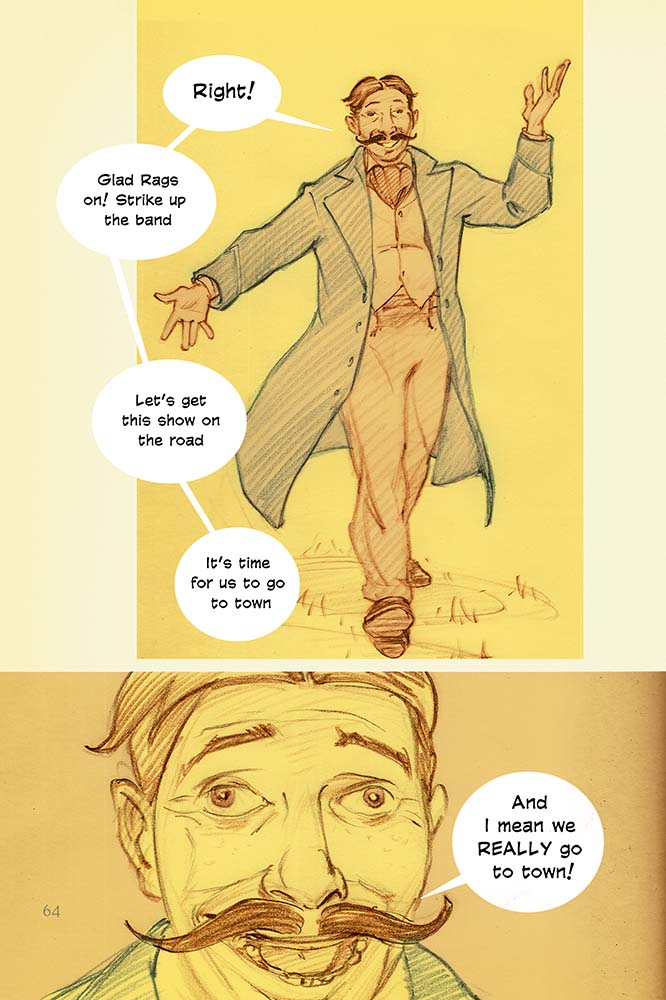
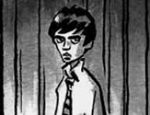
The novel offers a rich array of characters, many of whom could have separate stories spun off them. Romo is the silent and instinctive wild boy, while Francis is the rational and calculative thinker who tries to make sense of him. The ambiguous identity of Francis reflects the uncertainty and illusory nature of the circus. This element pays off richly when Francis invents a backstory for Romo, one that’s based on their own experience. The characters of the circus may look one-note at first glance but collectively they present the picture of a complex system, following strict hierarchies and regulations even when they have personal agendas.
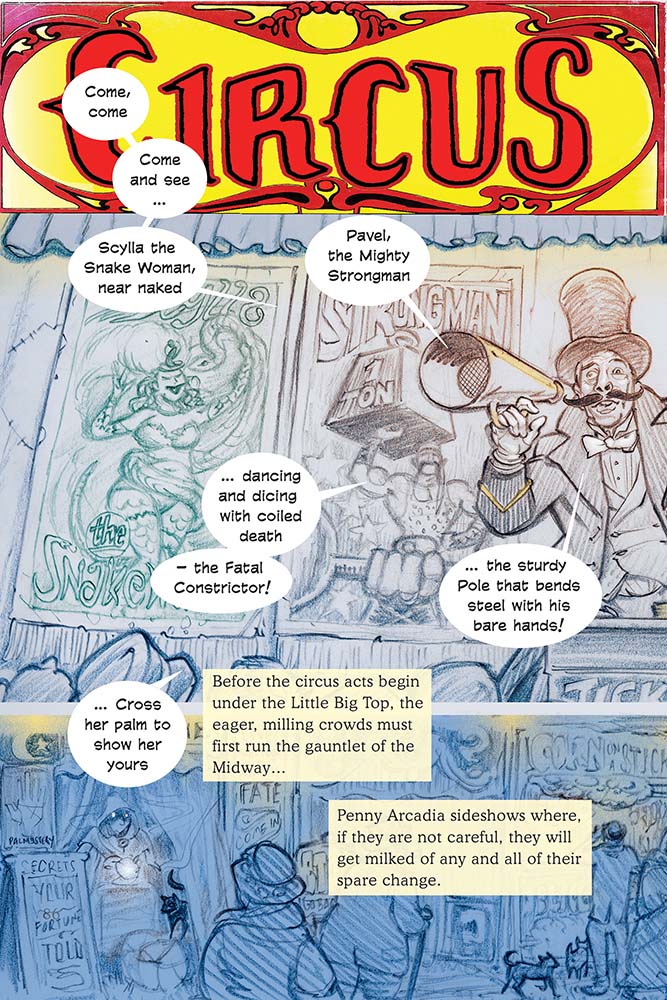
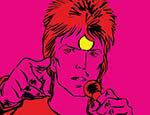
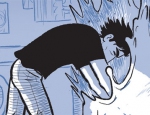
The art complements the narrative by bringing in a particular uncertainty and mystery. The hand-drawn sketches look vintage and textured and reflect an early style of illustrated books. The characters are portrayed in an exaggerated way, and the background details are not polished. A combination of muted and vibrant colour tones emphasizes the eeriness of the plot. Like all the other elements, the lettering also takes an active part in storytelling. Interspersing traditional boxes with descriptive passages creates an interesting rhythm that matches the overall mood and the setting of the plot.
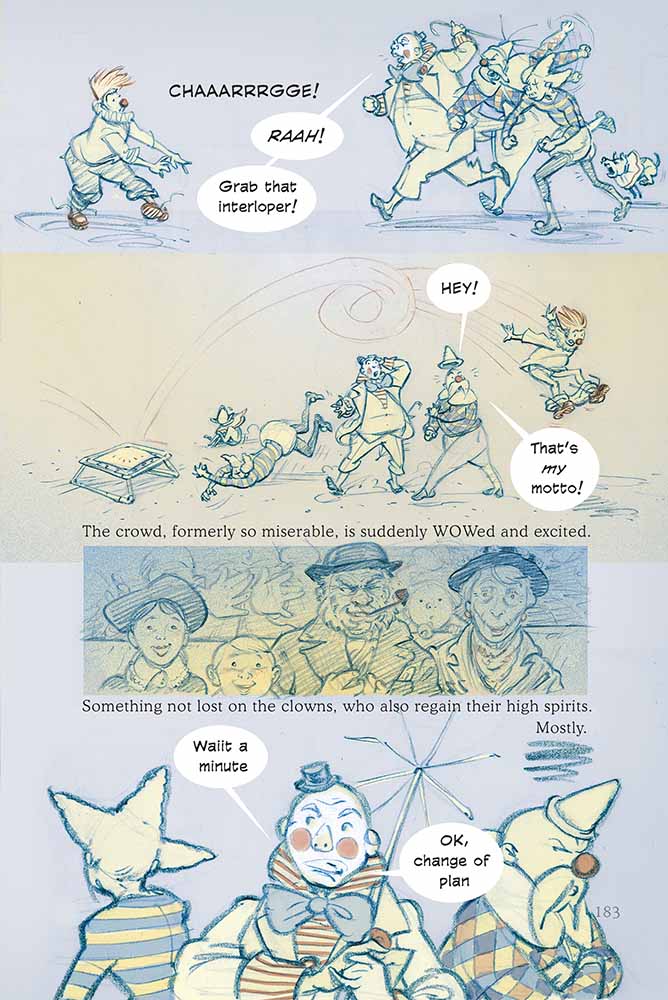
Often it felt that the creator was so invested in the colourful circus setting that the mystery aspect was ignored. The set-up and establishment of the plot and characters went on for too long with the crucial elements, like the establishment of the antagonists and their motives, the protagonists’ efforts to uncover the mystery, and the eventual resolution, feeling underdeveloped.
To ILYA’s credit though, the overall reading experience of the book doesn’t suffer significantly in spite of this. The brilliant and imaginative depiction of the atmosphere of Romo the Wolfboy through its narration and art, with such interesting details and characters, largely compensate for the lack of narrative pay-off.
ILYA (W/A) • SelfMadeHero, £25.00
Review by Harish. P. I