

‘The Birth of Venus’, painted by Sandro Botticelli in the 1480s, is often cited as a blatant example of the ‘male gaze’ that has long dominated art in the West. Historians have used it to highlight patterns that have emerged over time, with men and women depicted in radically different ways for a predominantly male audience. Jessica Campbell presumably spent years thinking of ways to counter this, and her short but compelling book raises age-old questions that have never really been addressed by that world.
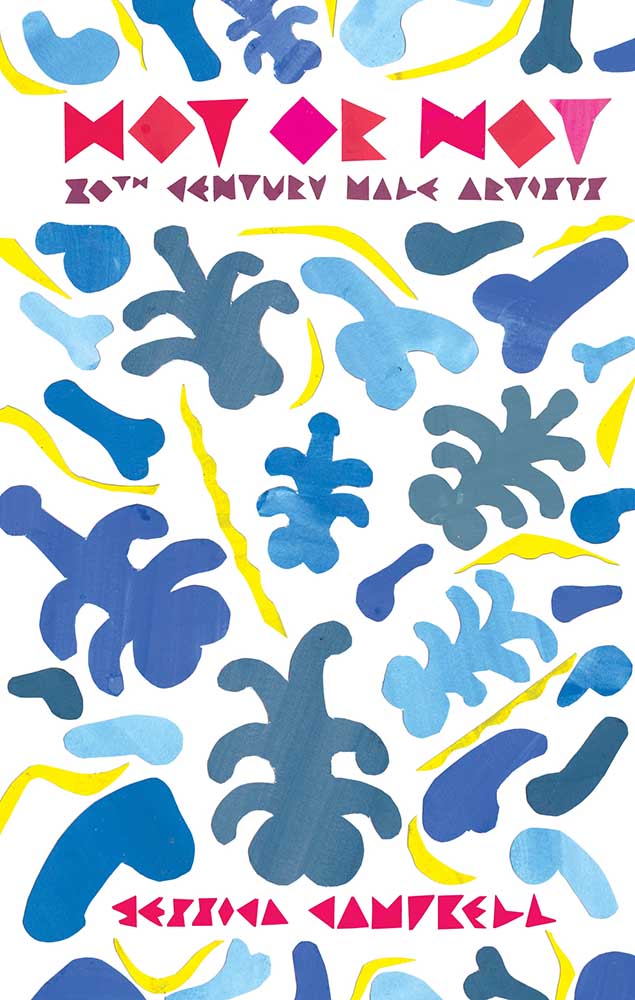
First published a decade ago and now available in a new edition, Hot or Not: 20th-Century Male Artists appears at first glance to be a comic version of a rating site founded a quarter of a century ago by two male engineers. Apparently, that was born out of a disagreement the founders had over a passing woman’s attractiveness, but the idea was powerful enough to have an influence on every major platform used by people online today. Campbell uses her grounding in art and comics to turn that premise on its head, by asking readers to rate male artists on whether they are worthy of female attention (which is a polite way of putting it).
Campbell’s style will be familiar to anyone who has read Rave, her incisive look at the hypocrisy that drives all religious views about sexuality. At the time, in response to a question about how she would change the way art is taught, she referred to the system as rotten, and one that “needs to be adjusted to become more equitable.”
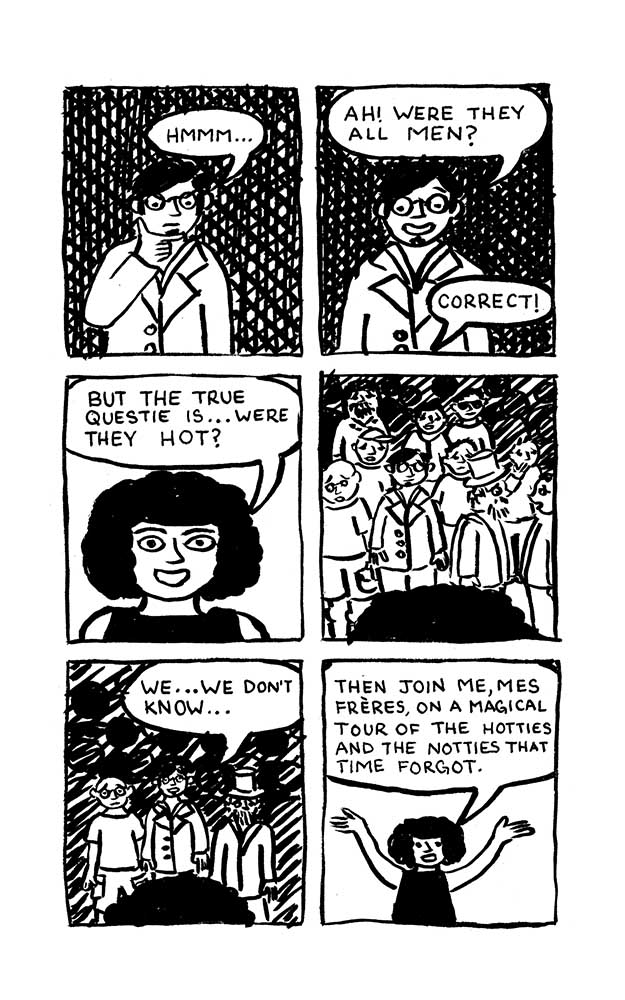
Hot or Not isn’t an angry response to the patriarchy that is endemic to this system, but there certainly is rage if one cares to scratch the surface and look beyond the irreverence. Campbell isn’t just dividing male artists into those who are worth sleeping with or not; she is doing what generations of male artists and audiences have done to women: commodifying and reducing them to little more than their bodies. This is also done with great brevity and wit, which prevents the joke from wearing thin. Campbell restricts her list to 19 artists, mostly big names, but also a few lesser-known ones in her chapter on Canadian art, like Lawren Harris, P.É. Borduas, David Milne and Philip Guston.
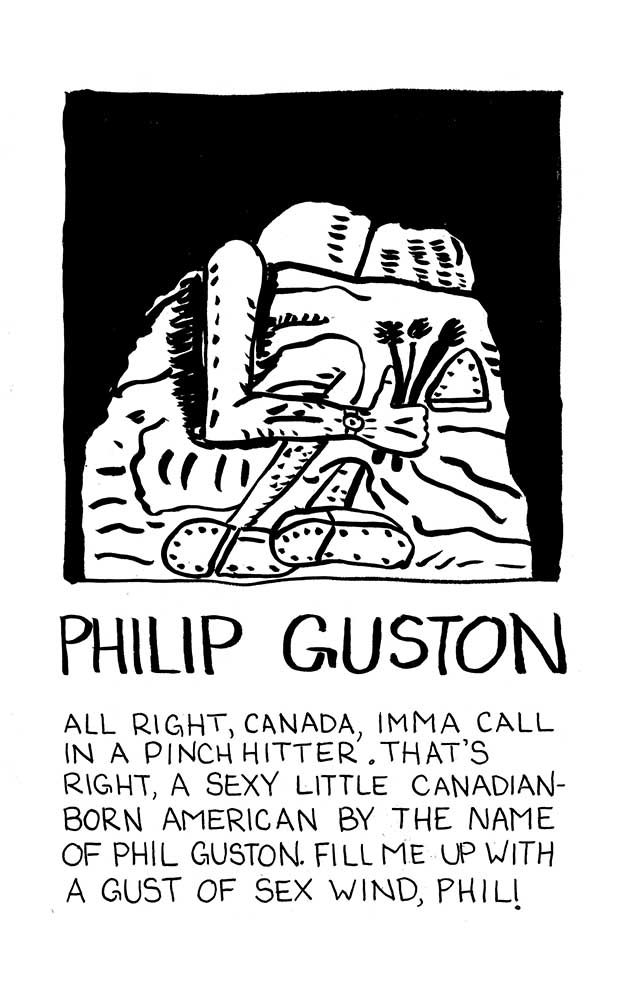
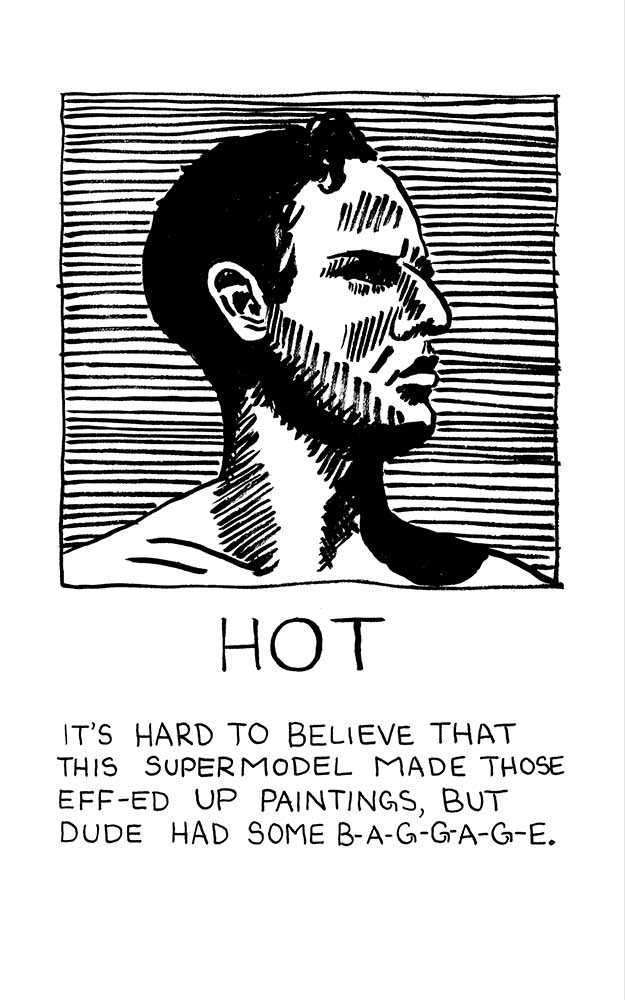
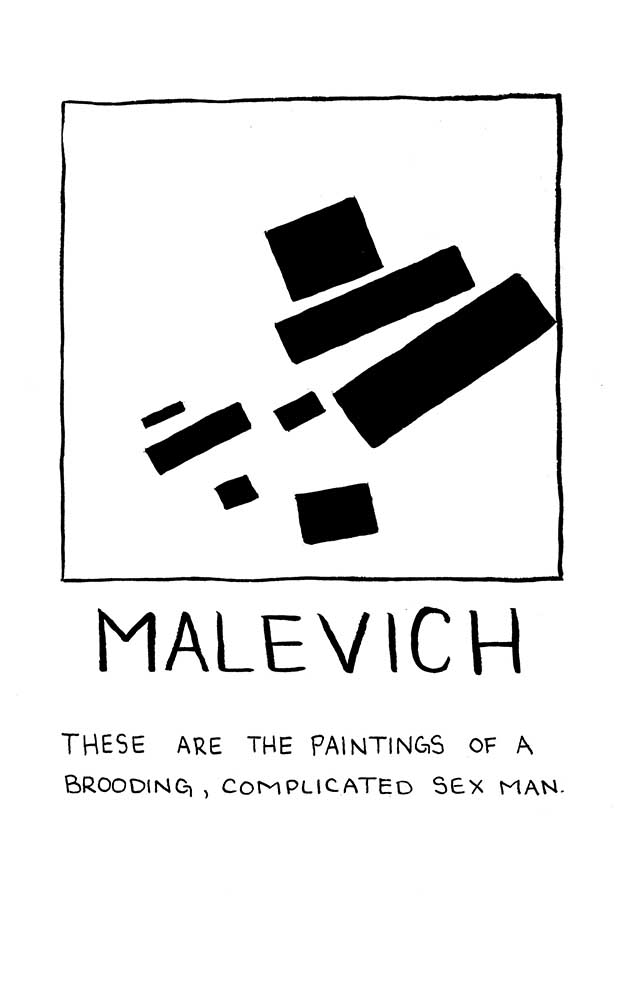
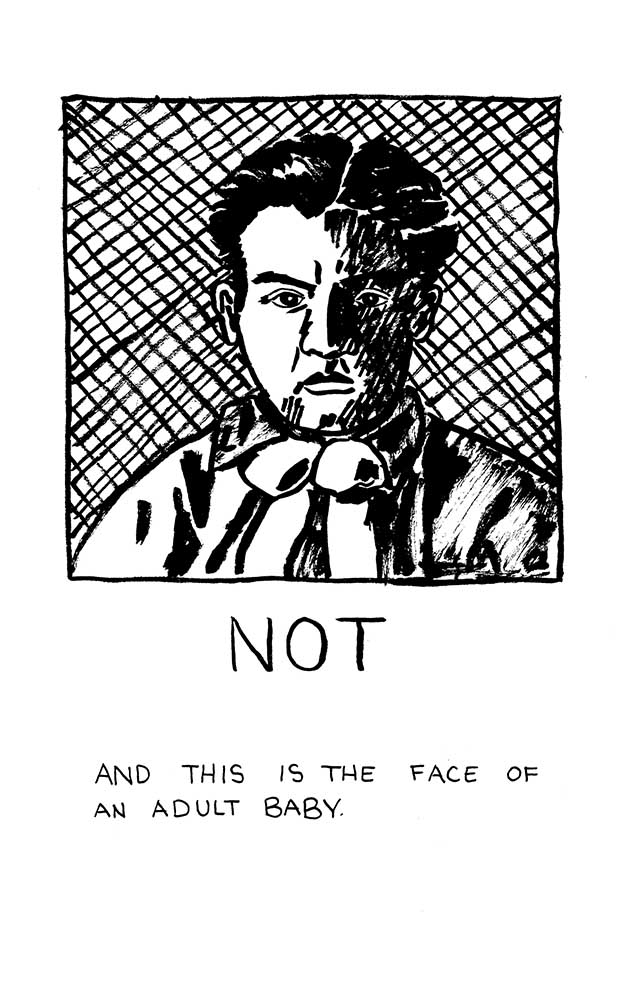
Few of these men make the cut and pass as ‘hot’. Among those who don’t are Kazimir Malevich (“face of an adult baby”), Barnett Newman (“snobby Super Mario”), Henri Matisse (“why Picasso used him as a wingman”), and Gustav Klimt (“cat/kaftan/crazy hair combo”). The only time Campbell’s mask slips is with Paul Gauguin, whom she refers to as a child molester, dispensing with the need for niceties.
This is a smart book that clearly delights in its intelligence. It left this reviewer with a smile, but also with a few troubling thoughts about how the male gaze appears to be more pervasive than ever. It brought to mind the manner in which women in the media are still represented to satisfy heterosexual men, and how that perspective has evolved into what is now called the ‘manosphere’.
Jessica Campbell may be funny, but what she’s really saying is serious and more important than ever.
Jessica Campbell (W/A) • Drawn & Quarterly, $20.00
Review by Lindsay Pereira