


Lee Daye, the protagonist of South Korean artist Choi Sungmin’s Narrow Rooms, is a young woman preparing for her annual art exam. Far from home and alone in the big city of Seoul, she struggles with isolation as well as unwanted attention from her prep school’s creepy director. The arrival of a new neighbour prompts her to reimagine her life, pushing her towards a full-blown obsession. It starts off without any preamble, and one is soon caught up in the drama that threatens to engulf her.
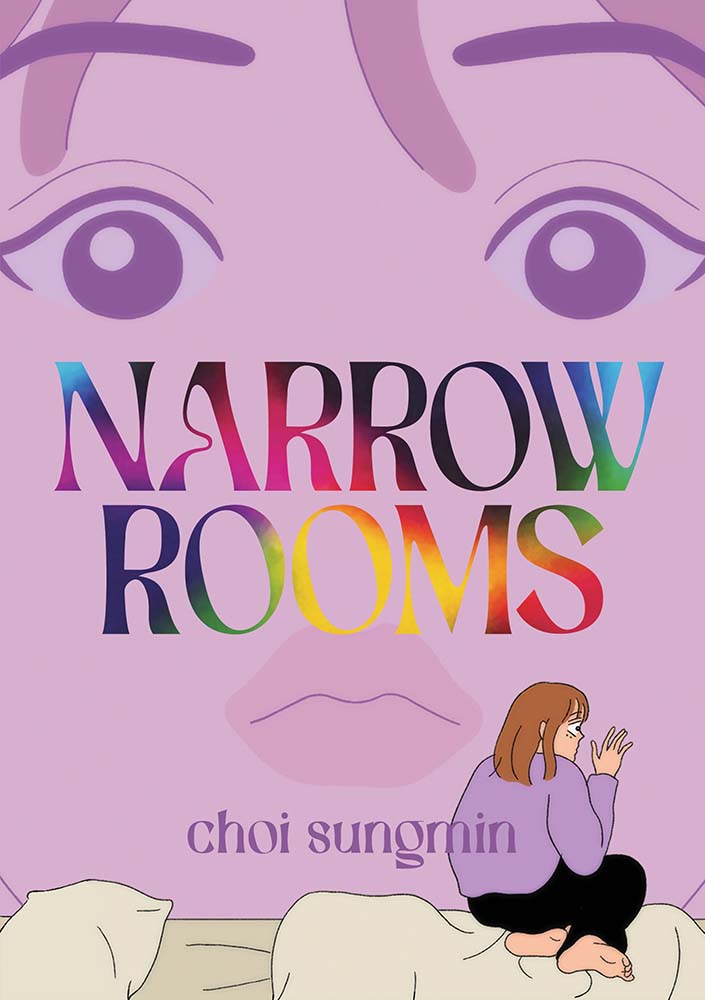
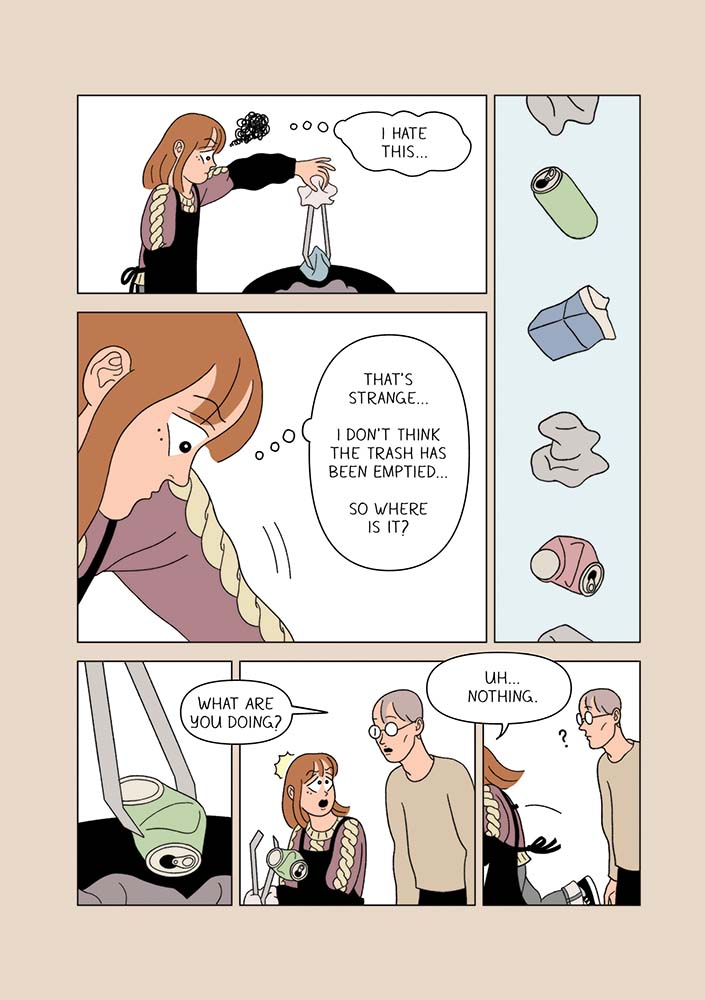
Translated by Janet Hong, this story started out as a webtoon, which explains why the narrative is so linear. Like all digital manhwa, it was presumably meant to be an infinite scroll read from top to bottom and unfolds in that fashion. The tension builds slowly, with Choi introducing one to Daye’s everyday life, as well as the increasing sense of alienation she feels in a city that doesn’t care about her well-being. It is a familiar feeling of being adrift for anyone living alone in any major city, where the only tether to reality is a smartphone. It all feels tenuous, and the lines between what is and isn’t authentic start to blur. That is the dreamlike state in which Choi operates.
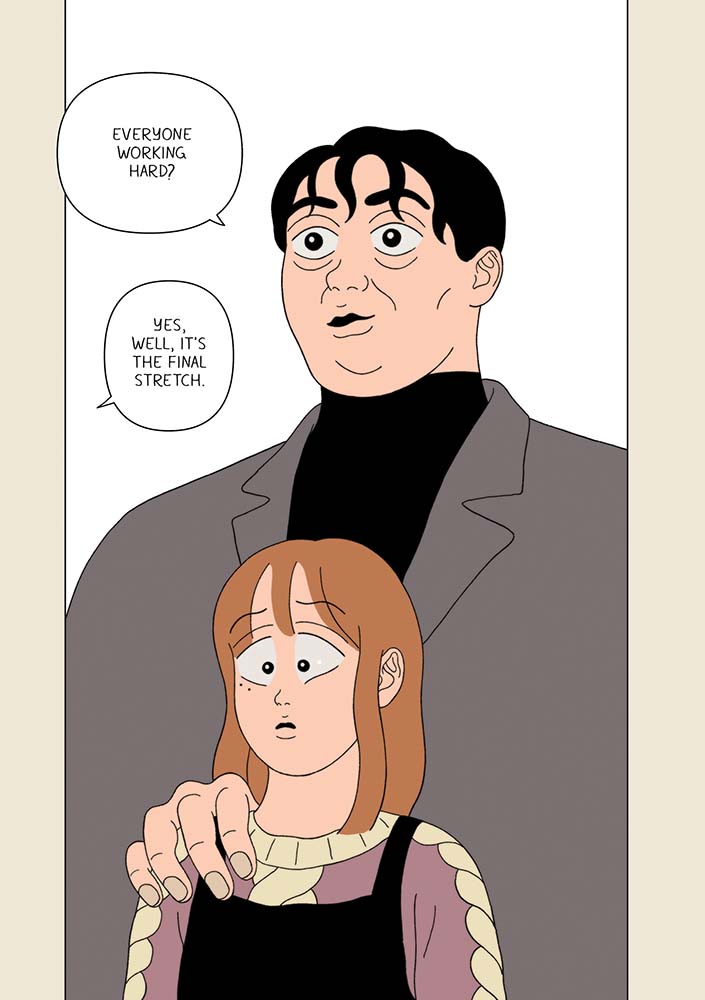
Narrow Rooms is described as a romantic thriller and while the description fits to a point, it is also limiting because there is so much more going on here. The book functions as a critique of how society creates boxes for individuals, for instance, or how systemic misogyny plays an overwhelming role in defining how women must live without a male partner or protector. The director of Daye’s school is blatantly sexist because he is aware of how his position protects him. He is part of a system that condones the way he treats those he is tasked with caring for.
It’s also interesting to view Choi’s story from the perspective of gender, given how it has become an increasingly fraught issue in South Korea. The country reportedly has the widest gender pay gap among OECD (Organisation for Economic Co-operation and Development) nations and struggles with workplace gender equality as well as the inability to include women in leadership roles. There has been a rise in toxic anti-feminist communities across its digital platforms, all of which must inadvertently have an impact on any artist choosing to address any aspect of contemporary life. Lee Daye’s struggles mirror a lot of what young women are compelled to navigate, in personal as well as professional settings. She isn’t in a corporate space, but there are ceilings here too, and fixed paths she must not meander from.
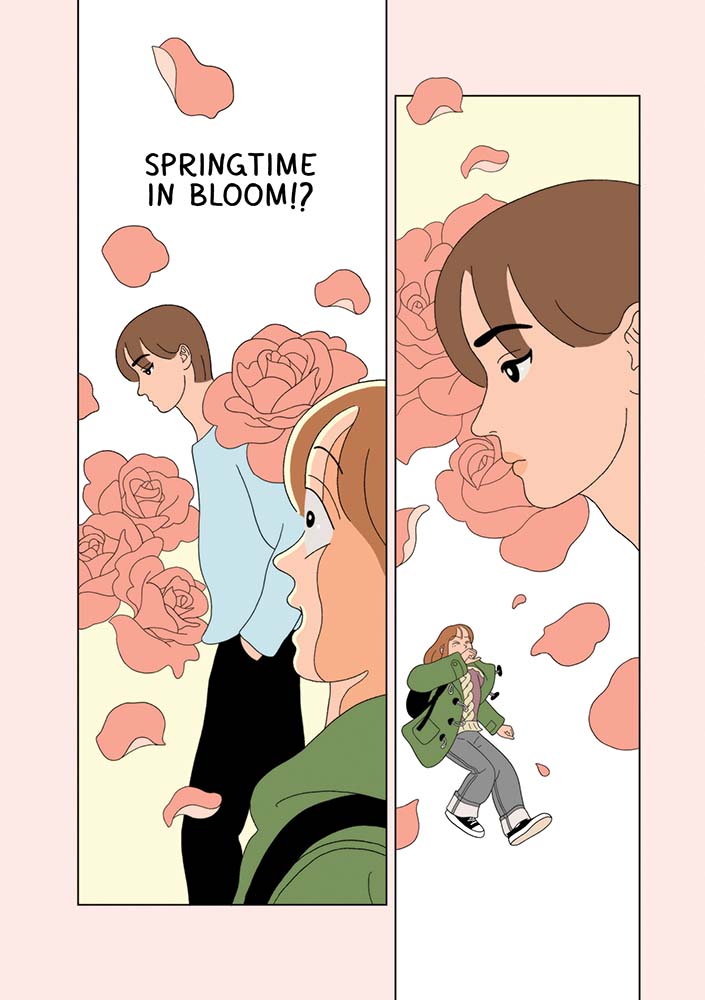
The arrival of her neighbour Ham Do-Hyeon gives Lee Daye a straw to grasp, but it is a slippery one, and Choi exercises admirable control in how she lets Daye’s story unravel. There is also great subtlety to her art that acts as a foil to this murky tale. She draws out Daye’s increasing fragility, as well as the trancelike state she slips into as her obsession grows. As a reader, one is left with hints that flesh out a backstory, but it all comes together in a satisfying manner.
Narrow Rooms is the first of Choi Sungmin’s graphic novels to be translated, but more will definitely be expected in the years to come.
Choi Sungmin (W/A), Janet Hong (T) • Drawn & Quarterly
Review by Lindsay Pereira