

One of the many things that make comic books great is how they can be used to explore existential questions. This may be because visual metaphors are always great for understanding abstract philosophical topics, but also because comic artists look at the world a little differently in the first place. They don’t shy away from topics that are harder to discuss in prose and, by embracing the notion of open-endedness, they can create work that is interesting as well as multi-layered.
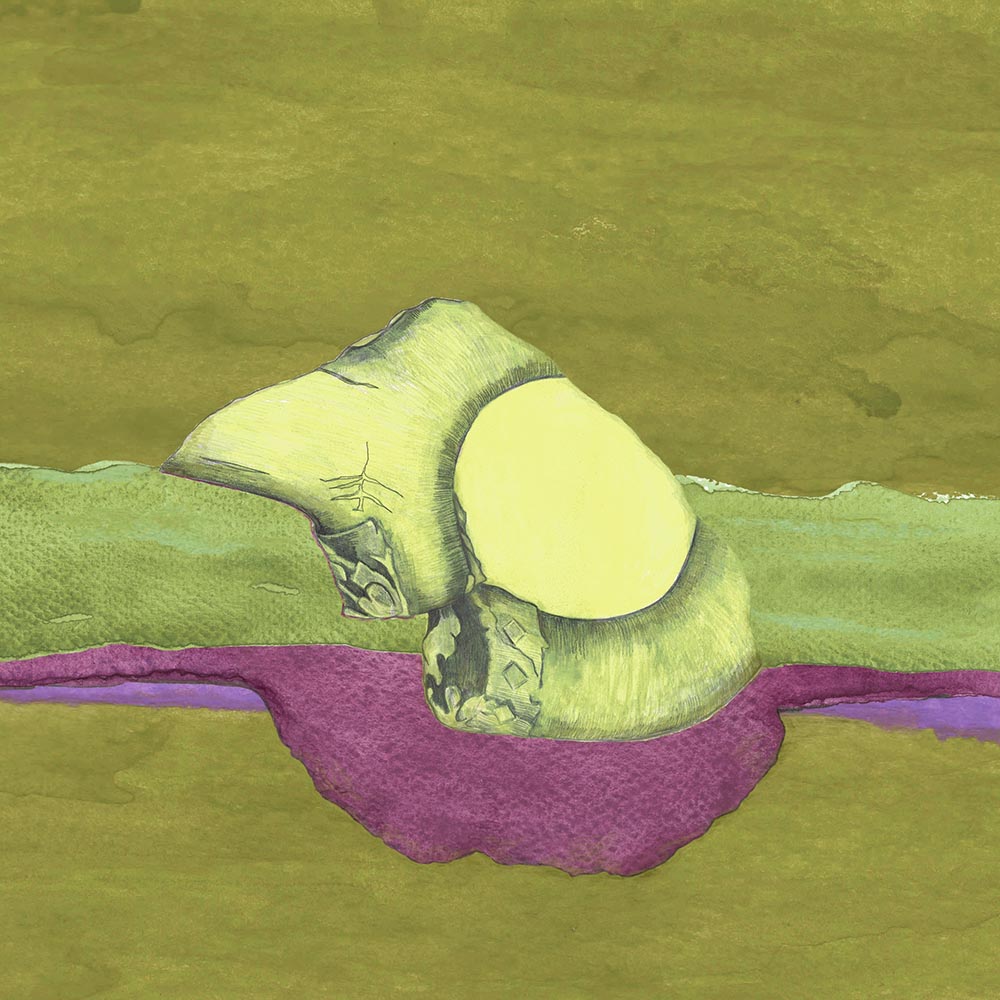
It makes perfect sense, then, for cognitive scientist Lily Thu Fierro and her husband, artist Generoso Fierro, to gravitate towards this form whenever they feel the need to grapple with something intangible. In their case, this is usually an exploration of the relationship between human beings and the external world, as they did so eloquently with their triptych Vessel, Inversion, and Chua.
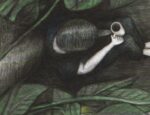
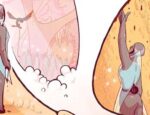
This time, their questions revolve around the nature of signs. The Interpretant presumably takes its title from American scientist and philosopher Charles Sanders Peirce, who redefined modern semiotics by asserting that the process of signification involved three components: sign, object, and interpretant. His ideas take shape in the form of two characters here, an ascetic and an astronaut, both of whom search for meaning in their own ways.
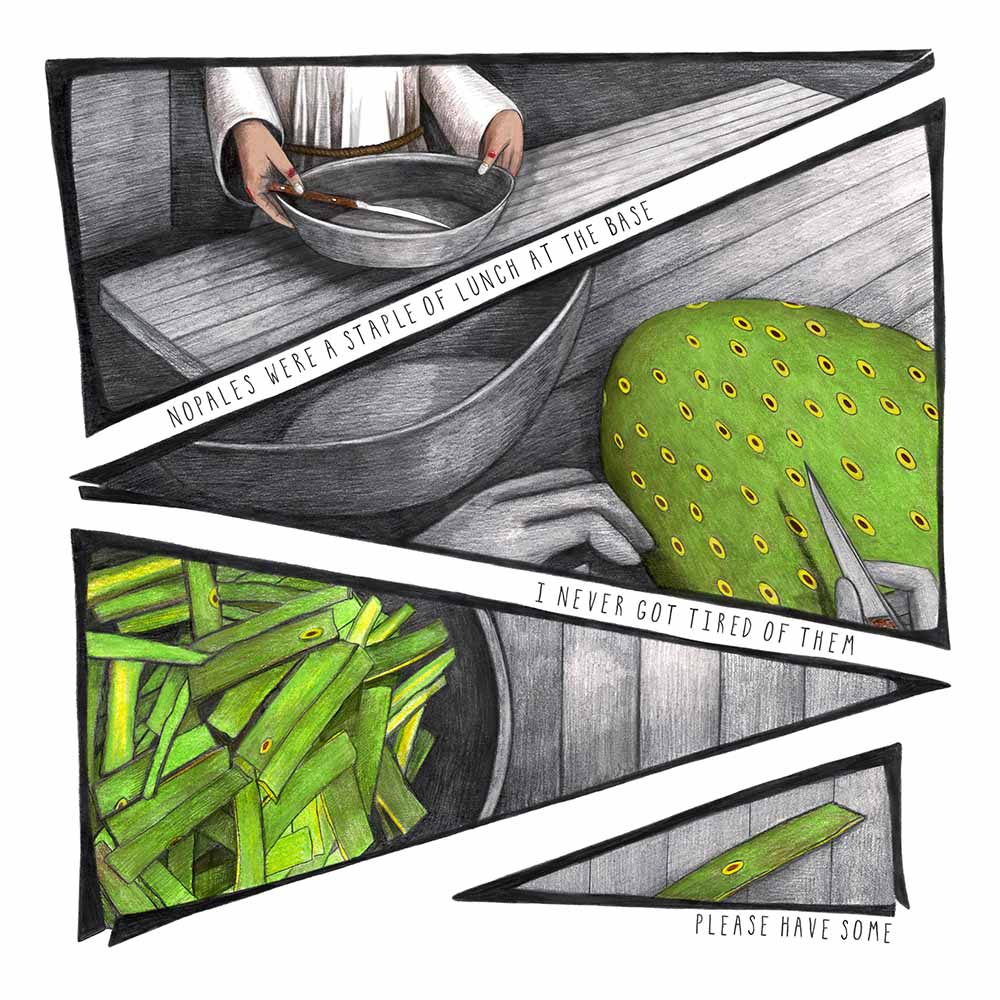
To try and arrive at the nature of what is being investigated, one must spend a little time looking at the influences cited by the Fierros. There’s 16th-century Spanish mystic St. Teresa of Avila (1515–1582), for instance, whose spiritual text El Castillo Interior attempted to define the soul’s marriage with God using architecture as a metaphor. Another guide is Italian bishop St. Bonaventure, whose Itinerarium Mentis in Deum was a manual of sorts on how the soul could move from the material world to a state of union with the Trinity. It is common thread running through the work of other historical and contemporary figures who cast a shadow on these pages, from the mystic Jan van Ruusbroec’s treatise on contemplation, to professor Jesper Hoffmeyer’s (1942-2019) foundational text on biosemiotics, Signs of Meaning in the Universe.
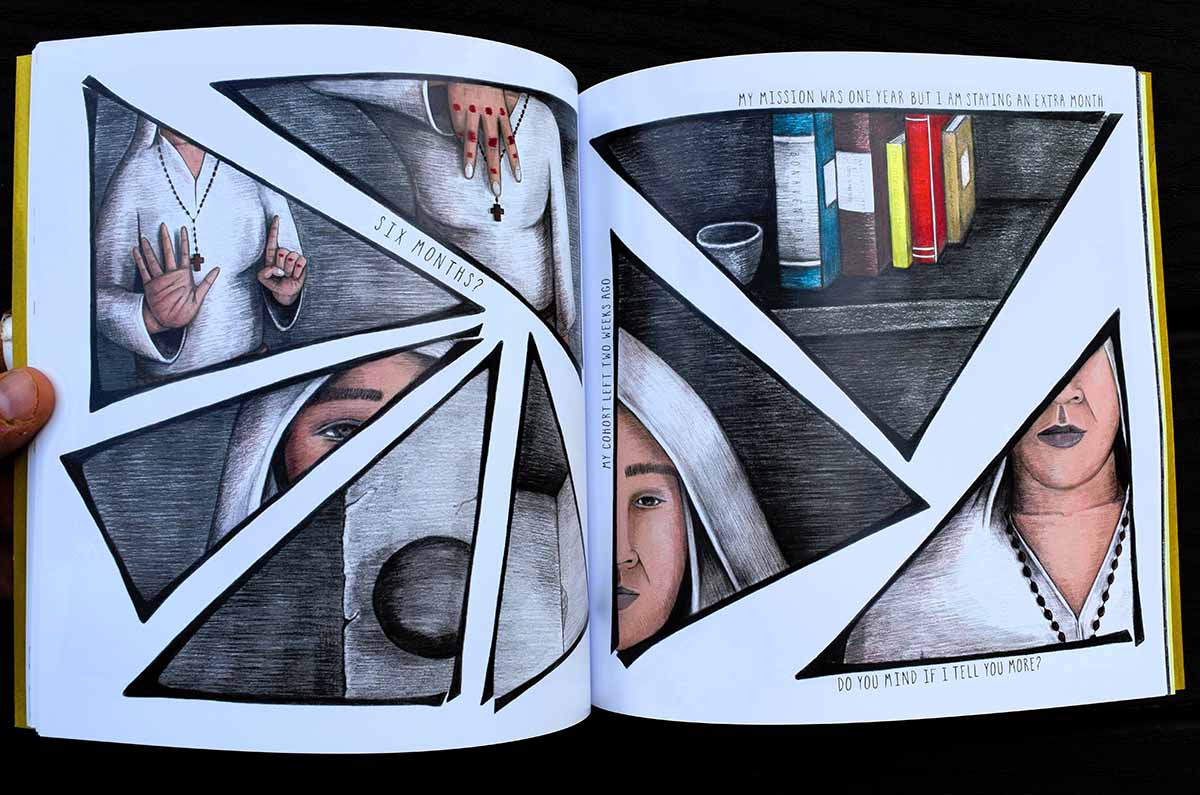
What the characters of this book are looking for is a new way of seeing, which is pertinent not only because of how biology and semiotics come together in the field of biosemiotics, but because that attempt at interpretation arguably defines how Generoso Fierro also approaches his art. There are always hints at something larger, just beyond the limits imposed upon each panel, and those hints are reflected in the ascetic Juliana’s grasping for something beyond herself. It feels as if she is on the verge of discovery, and whether she finds something is open to interpretation and, perhaps, the reader’s faith.
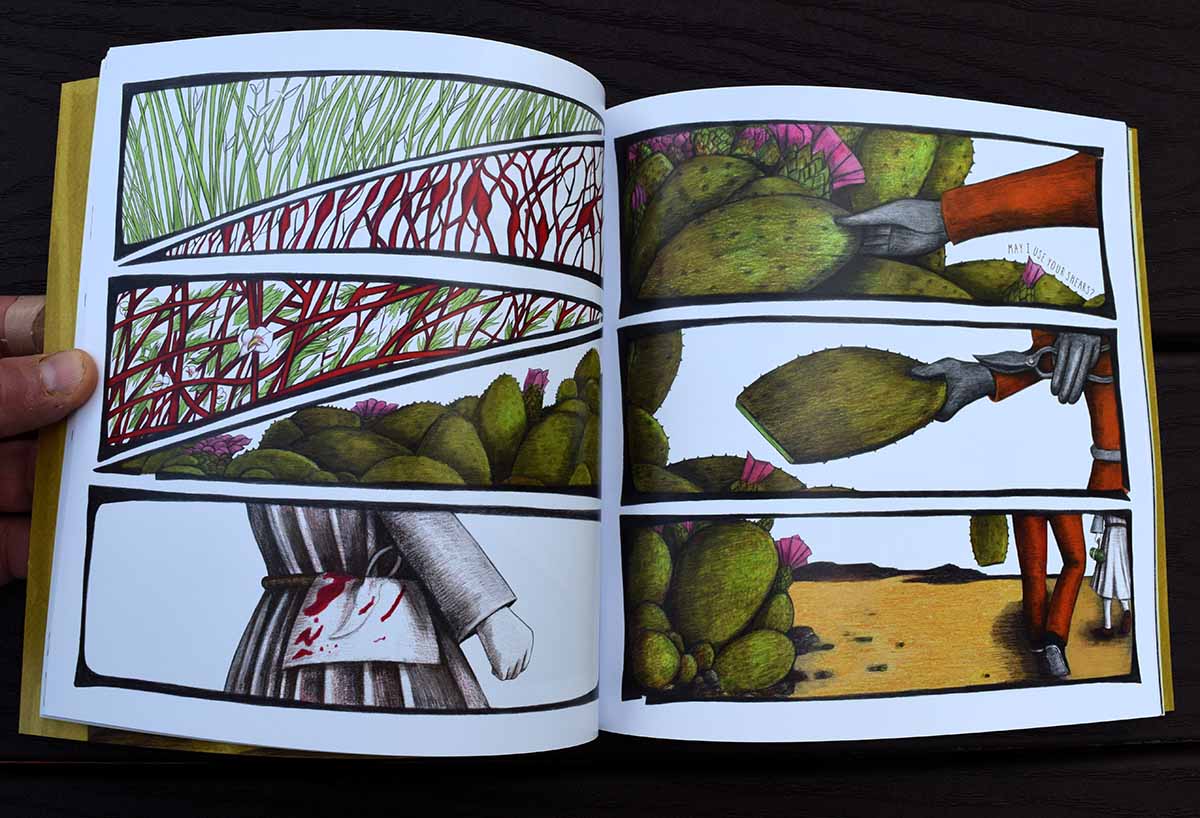
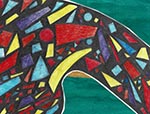
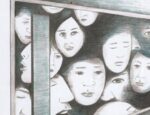
This is the kind of work that rewards repeated readings because of how seriously it takes the relationship between what semiotics terms the ‘signifier’ and ‘signified’. There are 84 full-colour pages, all of which say little or a lot depending upon what one chooses to read into the images. The creators define it as an attempt to understand what makes us uniquely human and, by turning us into interpretants too, they trigger further questions. That is never a bad thing.
Lily Thu Fierro & Generoso Fierro • Self-published, $25.00
Review by Lindsay Pereira