

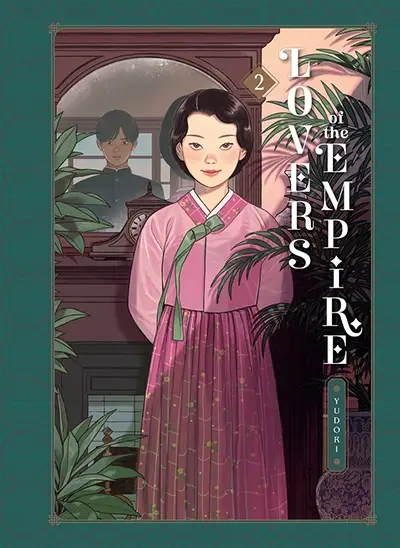
FANTAGRAPHICS AT 50! In our final interview and article for our Fanta month of 50th anniversary celebrations here at Broken Frontier we talk today with Yudori about her graphic novel series Lovers of the Empire. Set in 1930s Korea the first volume of this manhwa series is described by Fantagraphics as “a dynamic period piece [that] follows two teenagers from different social strata thrown together.” We chatted with Yudori about the book’s setting, creative process, and the allure of the rich girl, poor boy trope…
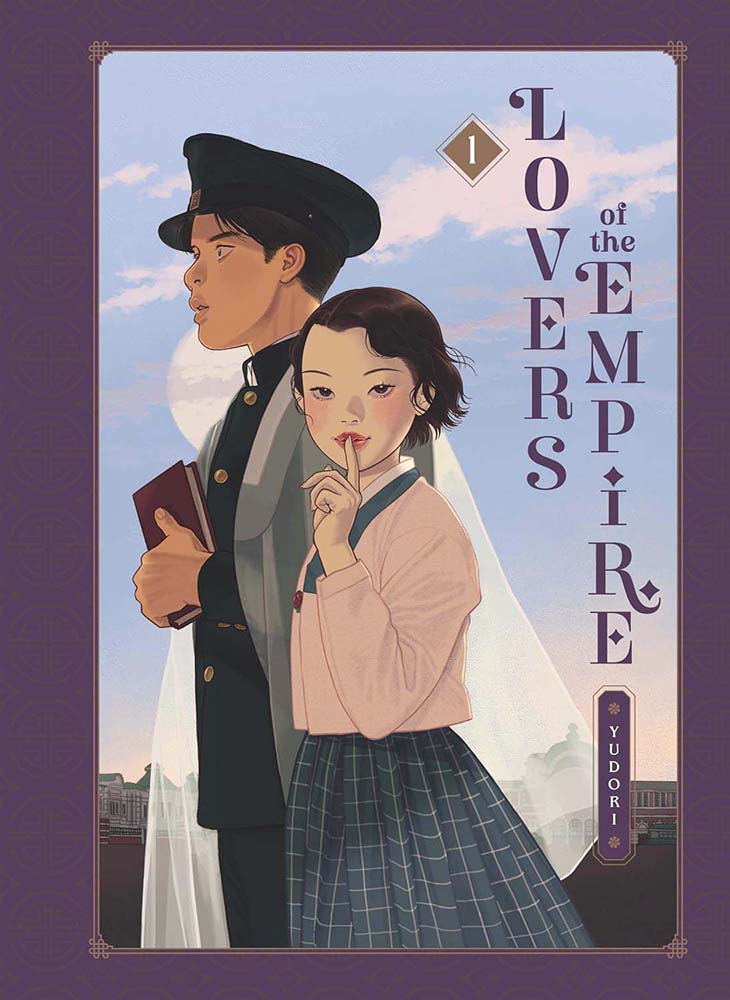
ANDY OLIVER: We reviewed your debut graphic novel Raging Clouds at Broken Frontier last year. What have been some of the most rewarding reactions to the book for you to date?
YUDORI: I get a lot of readers who come to signing sessions and say they don’t usually read manga/East Asian comics. Some of them are older, and I assume they didn’t grow up with the internet and exposure to the international comics scene. I find it fascinating that reading comics requires a lot of built-in cultural knowledge and almost a linguistic schema, if that makes sense. I read reviews complaining about how the frames in Raging Clouds are not in perpendicular lines, and that sometimes I omit facial features. Those are very common practice in East Asian comics language, but to some Western readers it comes off as odd and almost unsettling. I find it so interesting.
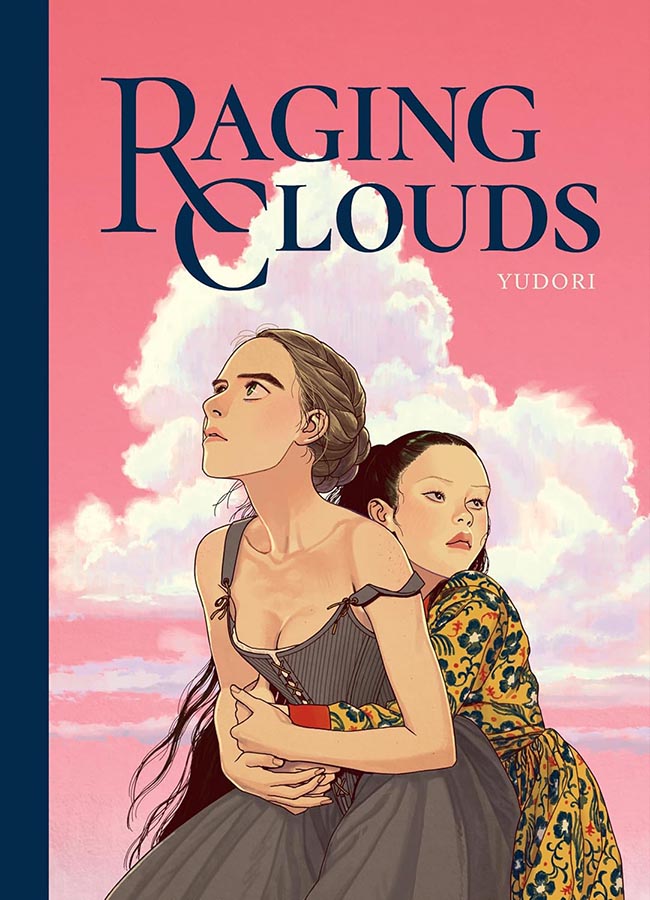
AO: Your webcomic Pandora’s Choice, Raging Clouds and Lovers of the Empire are all period stories set in different periods and countries. What draws you to historical settings in your comics work?
YUDORI: I’ve always been interested in history. History is nothing different for me than comics and video games; it’s an interactive way of storytelling. A lot of early shojo manga was based on history as well, probably as a form of escapism, and I like to think of myself as carrying the torch.
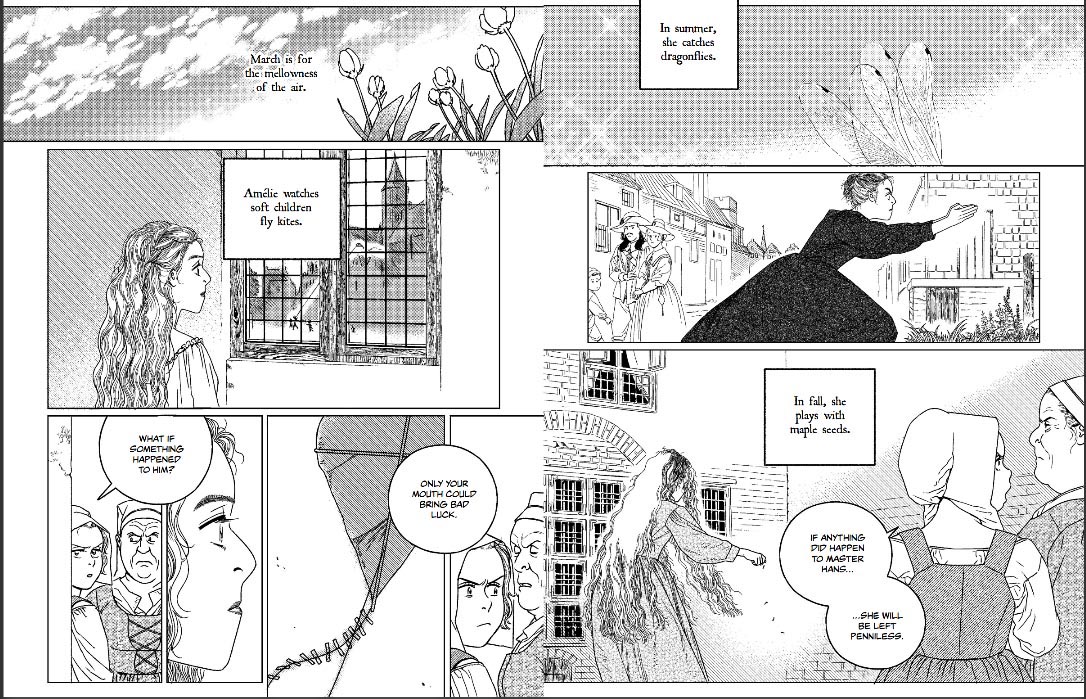
From Raging Clouds
AO: Building on that there are a number of asides in Lovers of the Empire where you give insights into the period detail and a short strip at the end where you give more context and mention how your love of fashion played a huge part in the story. Could you tell us a little about how much research went into the book and how you went about that in terms of sources?
YUDORI: I read a lot of primary sources so I can really see what people felt and thought in their day-to-day lives. I also own a few antique pieces of clothing from that era and a few replicas. Researching for stories is my favorite part of the work. I probably would’ve gone into academia in an alternate life and spent my life researching and writing about comics and history.
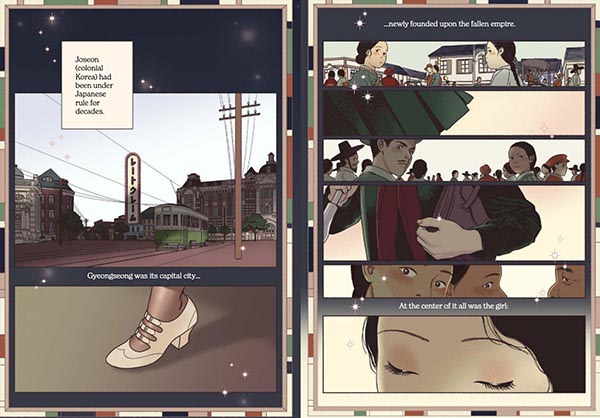
From Lovers of the Empire
AO: Lovers of the Empire is both a fun “will they, won’t they?” romantic comedy and also a book based in the bleaker reality of an occupied Korea. Was it difficult to balance those two extremes? Or did those contradictions in tone perhaps allow each aspect of the story to be emphasised more clearly?
YUDORI: I actually found it not difficult at all, to the point where I felt like I was minimizing the political legacy of that era. Because I’ve read way more primary sources (essays, articles, and short stories written by the people who were living through the time) than educational history books, it feels easier for me to focus on smaller everyday happenings. It’s similar to what we’re all going through now: there are people dying and a lot of crazy stuff going on, but we’re here doing an interview on some comic book series. People still go on vacations and worry about keeping their plants watered. The irony is so real. I’m breathing it every day, so that’s how I write my stories as well.
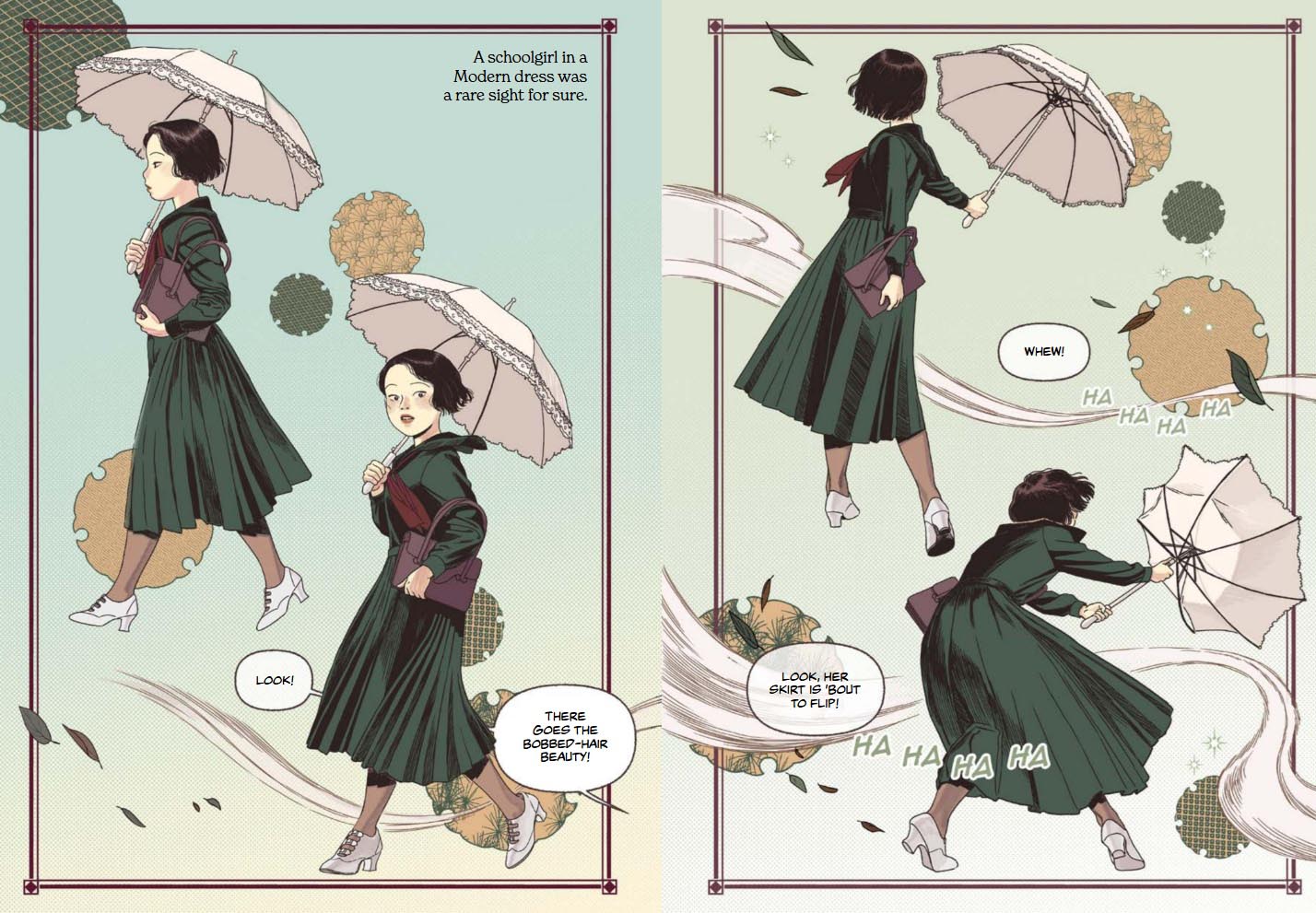
AO: In terms of social commentary what were you hoping to explore thematically about class and social structures, given Arisa Jo and Jun Seomoon’s very different backgrounds and attitudes at this juncture in established history?
YUDORI: Human identity is a very complex thing, and it can never be summarized as one or two labels. I often see people on social media using labels to frame almost all their thoughts and movements. Having labels can be helpful in shaping your identity and can be really healthy, but no one is entirely one way just because they’re this or that thing. The social conditions that bind my characters often make them miserably unlikable, but it’s important to remember that’s just the reality. I try not to forget we all say hurtful or cringe things once in a while.
Aaand, I also love the rich girl, poor boy trope.
AO: You’re very adept at shifting into silent sequences that allow us to connect with the characters more immediately through visual characterisation. Was that a conscious decision to allow the reader to interact with the characters on a different level?
YUDORI: I didn’t know that’s what I was doing, but I’m glad to hear it worked! I try to keep my storyboard as intuitive as possible, but what we see as “intuitive” can differ so much depending on your cultural background and previous reading experience, so I’m happy to hear about the different reading experiences people have with my work.
AO: And, finally, what else are you working on? Are there any other projects on the horizon we should be looking out for?
YUDORI: I should be working on the volume three of Lovers of the Empire, but I’m also on vacation in Korea at the moment. There will definitely be more volumes of this series.
Buy online here from Gosh! Comics
Interview by Andy Oliver
Fantagraphics at 50 Month runs through August at Broken Frontier. You can see articles as they’re published in one tagged list here.