

To read anything by Yeong-shin Ma is to confront unpleasant truths about contemporary life and the fragility that most structures are built upon. These truths may appear to restrict themselves to South Korea, where he was born and is still based, but they are universal because of his ability to tap into forces that shape us all, irrespective of where his readers come from. The last time he did this, with Artist in 2022, we were given a peek into the insecurities that drive male relationships in a fractured society. With Hodo: A Life in Two Acts, he turns to a more troubling subject: the inescapable impact of child abuse.
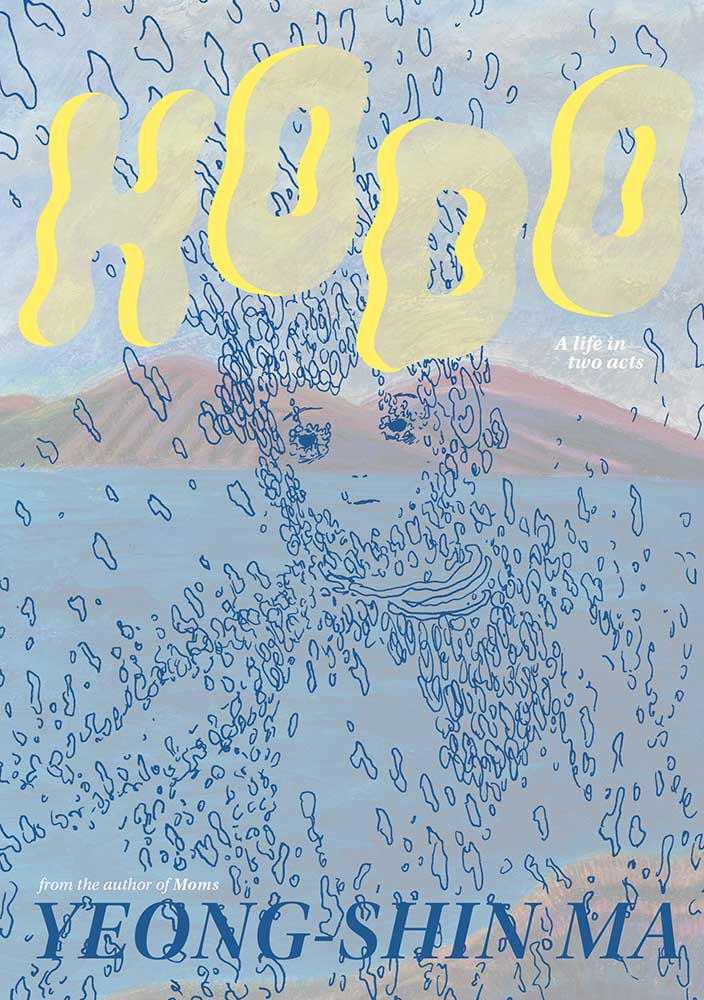
The reader is allowed to choose how they want to approach Hodo: it can be read from the front or the back, with each act meeting in the middle. What one chooses places the protagonist at a specific stage, of childhood or adulthood, with no impact on the story as much as a shift of perspective. The choice, then, is of attempting to trace the origin of abuse, or to examine the aftermath and its effects.
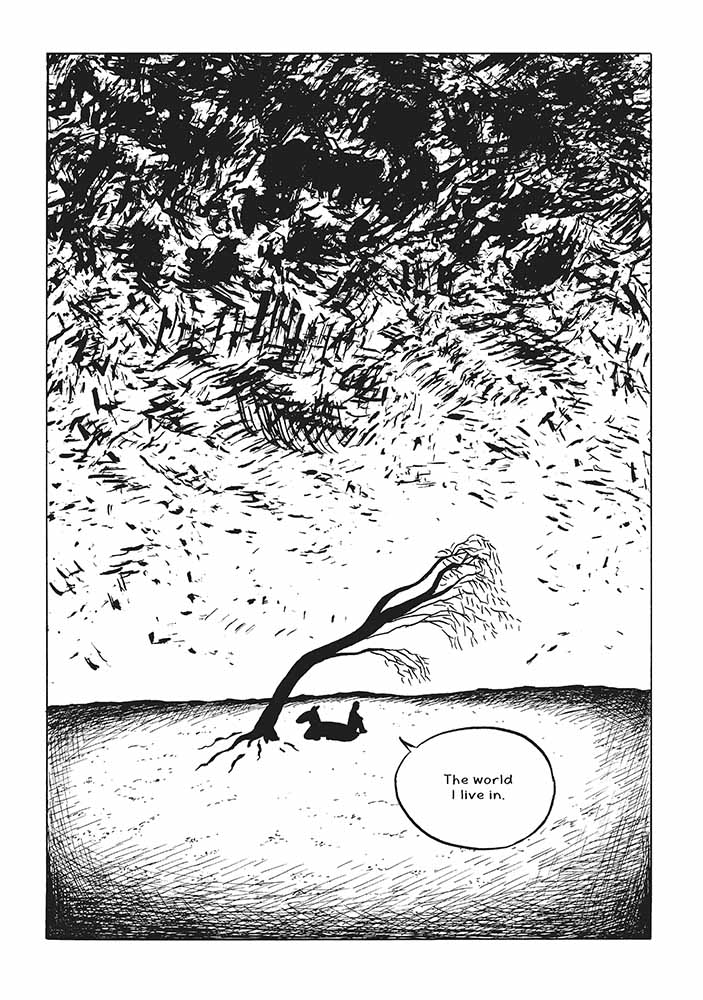
To the artist’s credit, there is no shying away from the brutality of Hodo’s life. It is one of unrelenting and inexplicable pain, and much of this comes from her family. It is interesting to consider that child abuse statistics in South Korea reveal how biological parents are historically responsible for over 80% to 90% of reported incidents. There were over 36,000 such cases filed in 2025 alone, and what Yeong-shin Ma may be attempting to do here is draw attention to a mental health crisis that isn’t discussed as much as it ought to. Translated by Janet Hong, none of this makes for pleasant reading, but that may be precisely the point.
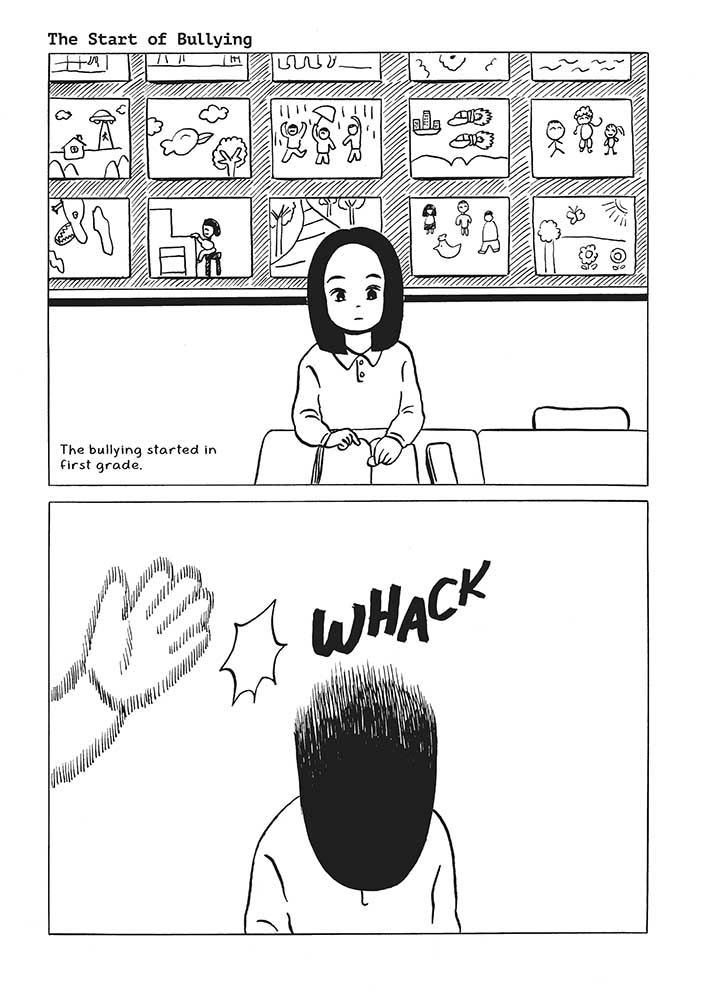
The first act, ‘Lake’, documents the casual violence that Hodo is compelled to take for granted. She is just five, but she must already ask herself difficult and confusing questions about parenting and familial love when confronted by the absence of it. Dialogue is kept to a minimal here because of how much weight the art carries. There are conversations, but they are concise and almost deadpan, as if to highlight the futility of explanations. The second act, ‘Island’, is a little more verbose, presumably because it introduces more peripheral characters to Hodo’s life as she embarks upon a series of failed relationships.
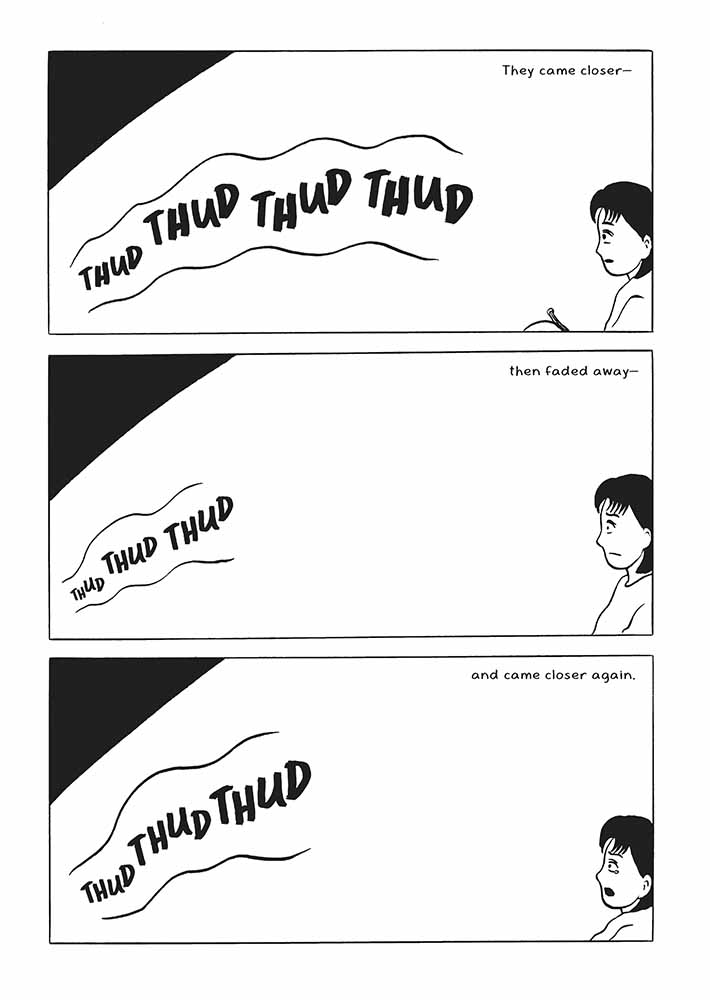
For anyone who has read Yeong-shin Ma before, the quality of art will come as no surprise. He uses black and white to masterful effect, capturing emotions as well as the claustrophobia that a state of depression can start to trigger in an individual as well as society at large. There are also surreal asides that allude to the psychological damage of abuse, unresolved issues related to gender equality, and how women are denied agency in a patriarchal hegemony.
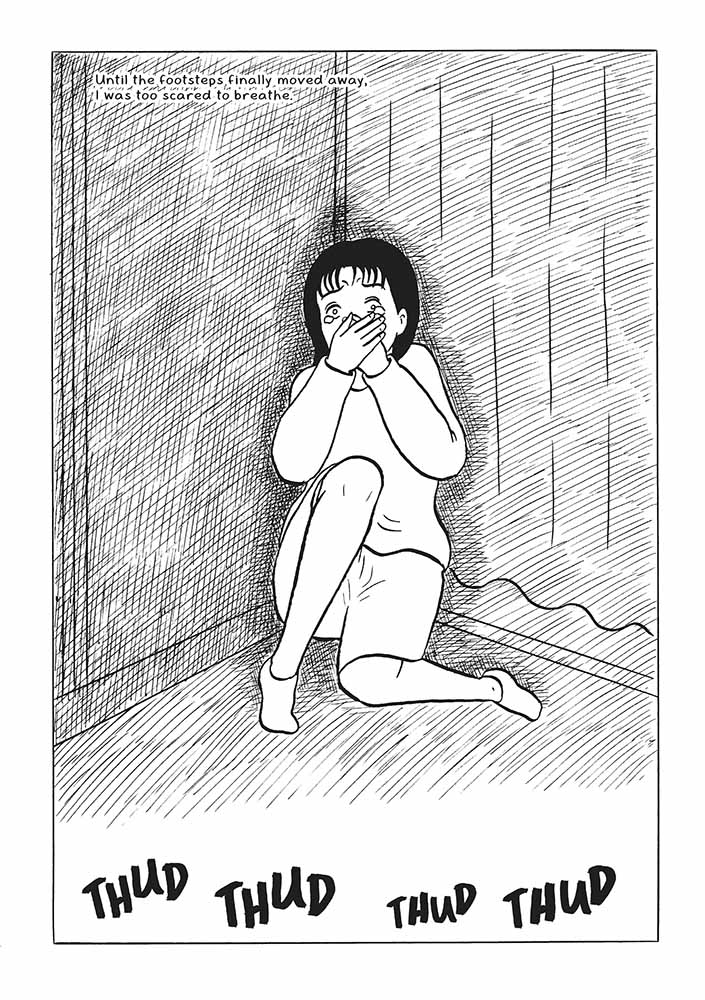
To describe the book makes it sound harrowing, and it is, but it is also important to point out that this isn’t a story about hopelessness. What ultimately comes through is the redemptive power of art, and how it can be used not just to make sense of grief but to find a path outside it. Hodo knows why she is in pain and slowly discovers what makes her act the way she does. She also knows, instinctively, that engaging with people rather than dissociating herself from them, is the only way out. That recognition, and the choices she ultimately makes, is what makes this a story of deliverance rather than despair.
Yeong-shin Ma (W/A), Janet Hong (T) • Drawn & Quarterly, $30.00
Review by Lindsay Pereira