

The legendary Yamada Murasaki’s daughter Yamada Yu has a beautiful essay on her late mother that has been appended to this latest collection of her work. She writes of her unusual childhood, and what it meant for her to grow up with an artist for a parent. “I have nothing but respect for my mother,” she says, remembering the cats that demanded Murasaki’s attention while she had to do the laundry, cook, and watch after her children. It is a vivid account of how challenging it must have been for Murasaki to balance the roles of provider and artist in a male-nominated society that wasn’t exactly welcoming towards women who had separated from their husbands.
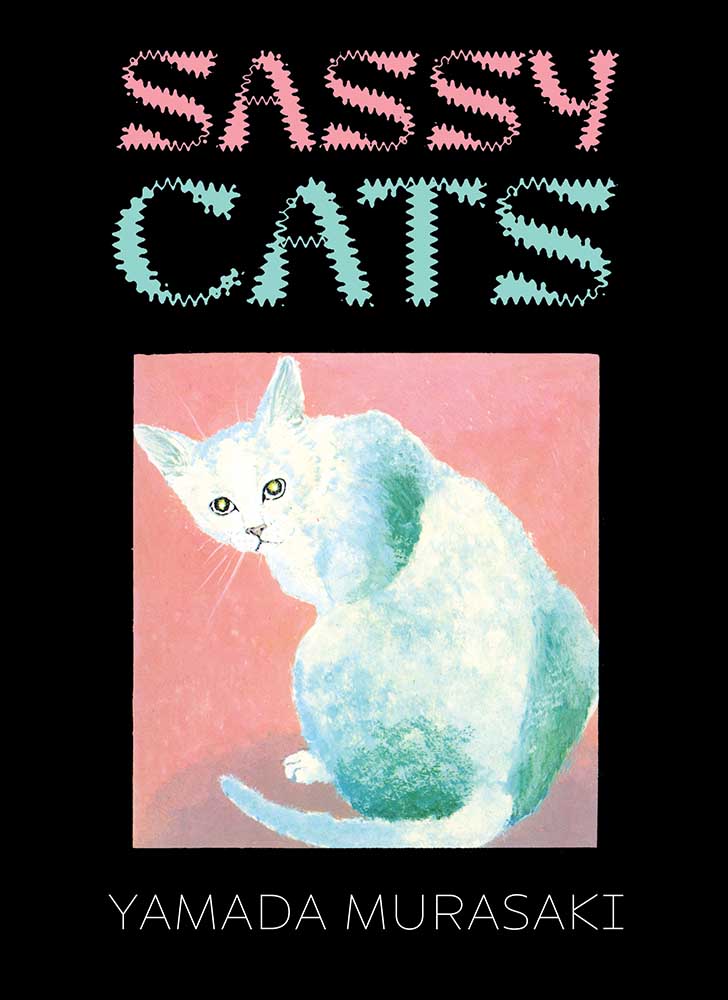
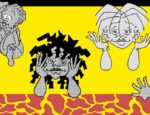
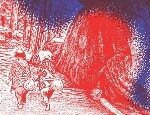
On the surface of it, Sassy Cats is a collection of short manga about women and their pets. What gives Murasaki’s work its power, as always, is the subtlety with which her deceptively simple tales comment on larger realities related to life as a woman in post-war Japan. This is abundantly clear to anyone who has read Talk to My Back, which examined arguments related to gender roles in the country’s expanding labour market, or Second Hand Love, her more explicitly subversive novellas about women on the margins of society.
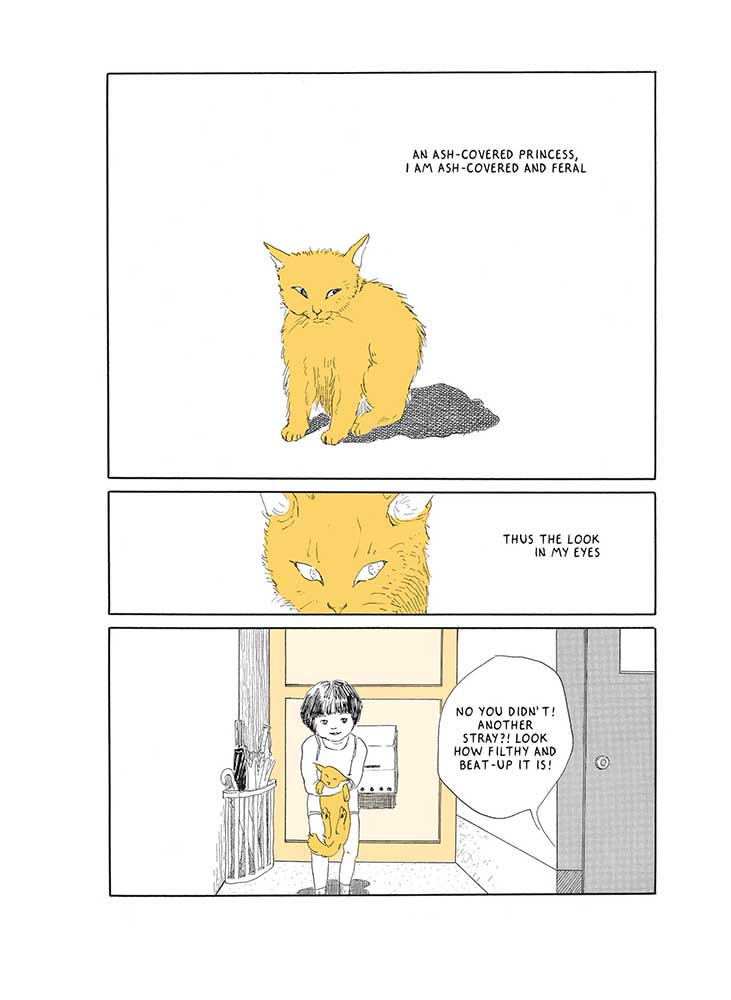
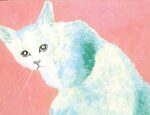
Sassy Cats, like her earlier work published in English, was serialized in the alternative magazine Garo between 1979 and 1980. Translated by Ryan Holmberg, this series of vignettes celebrates the feline form and unadulterated joy with which cats engage with their surroundings. Murasaki also uses her cats to share her feelings about relationships and parenting. Another delight is the Cat Gallery, taken from her large collection of drawings photocopied at various stages of completion, all of which reveal an undeniable love for the animals.
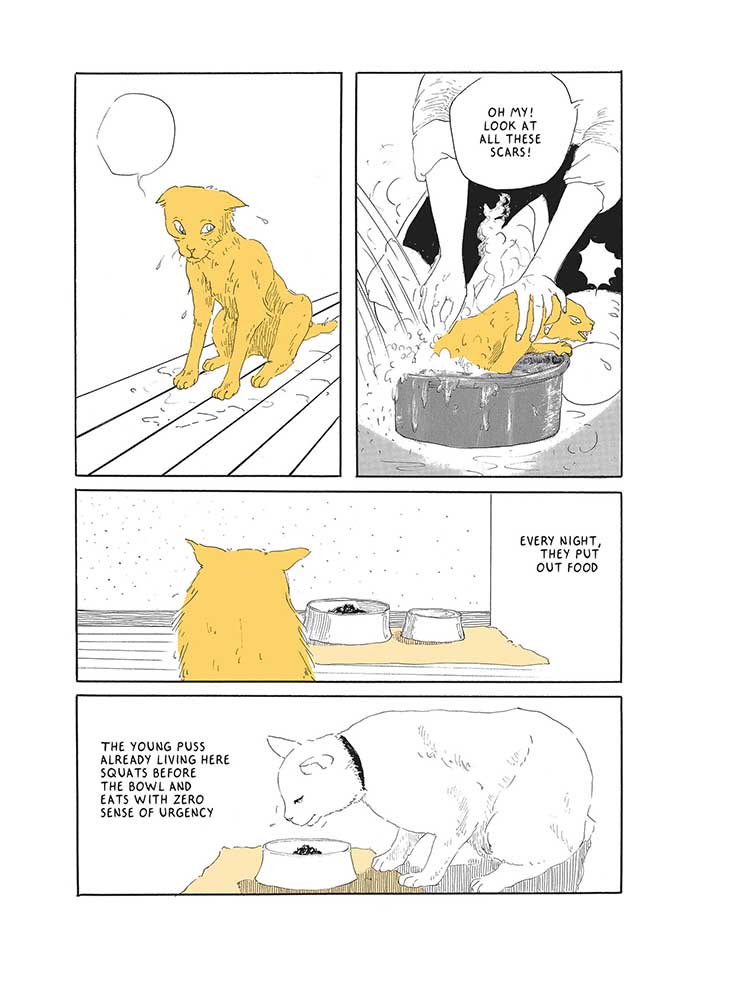
It’s interesting to think about how radically the perception of cats has changed in Japan, from their introduction to the country in the early Heian period via trade with China. Treated as exotic pets for the upper class, they slowly became popular among aristocratic women before being welcomed by all corners of society. That elevated status in a domestic setting has only grown in the modern era, which may explain their recurring presence in Japanese literature, from Natsume Sōseki’s I Am a Cat, published in 1905 and adapted into a manga by Chiroru Kobato a little over a century later, to Sōsuke Natsukawa’s The Cat Who Saved Books, which appeared in translation in 2021.
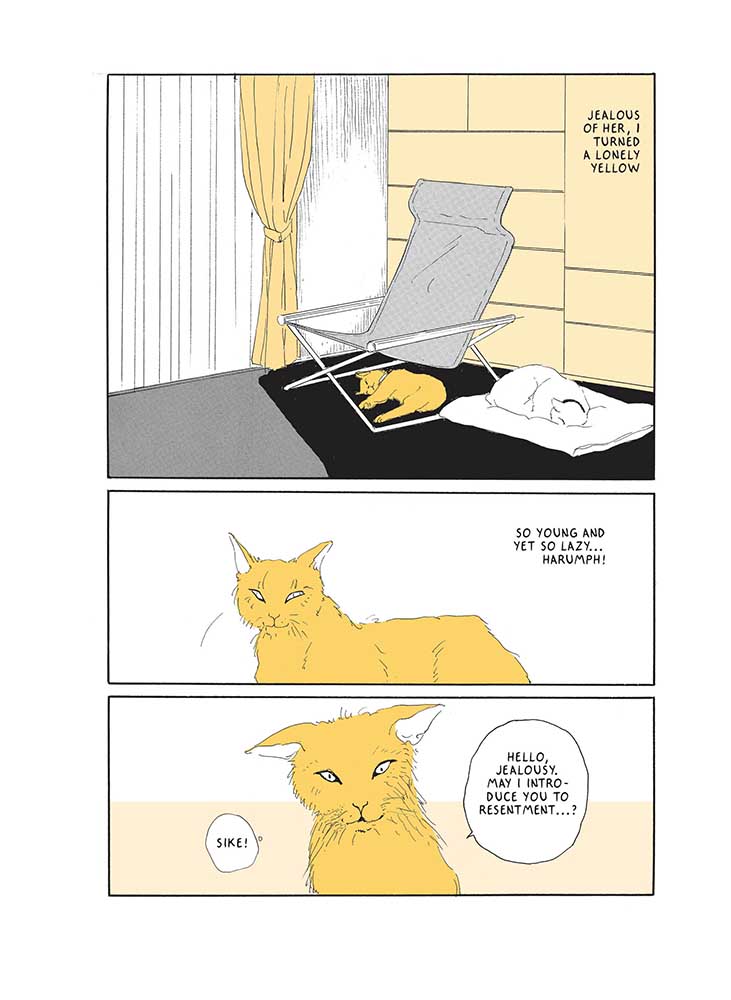
What sets Sassy Cats apart from these other examples is Murasaki’s dispassionate eye when it comes to documenting everyday life at home. The cats, like the women whose spaces they cohabit, exist for their own sake alone. They are never depicted as pets, always as creatures with interior lives and personalities. How the cats approach the concept of motherhood is also of particular interest when one considers the time in which Murasaki was publishing these pieces.
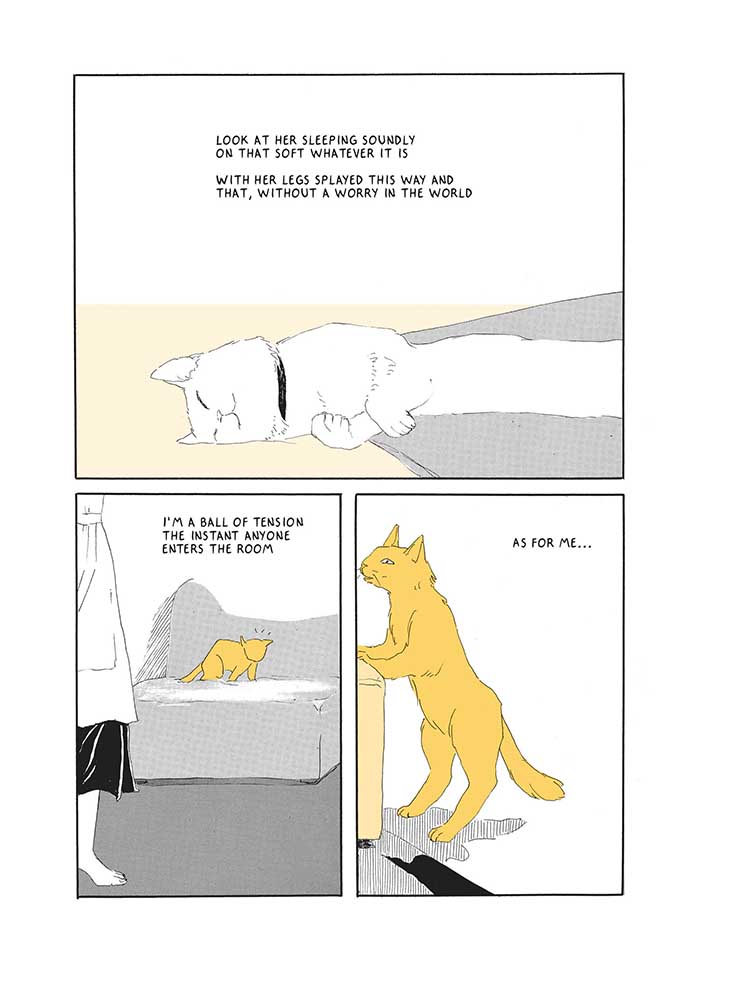
In May 2026, The Guardian published a compelling report on a phenomenon dubbed ‘catnomics’, about how the influence of cats was evident across every corner of Japanese society, generating an expected $18.8 billion in value to the Japanese economy this year alone. Yamada Murasaki loved her cats, and while it’s obvious that her audience did too, the animals have clearly never fallen out of favour.
Yamada Murasaki (W/A) • Drawn and Quarterly, $26.00
Buy online from Gosh! Comics here
Review by Lindsay Pereira