


One of the biggest revolutions that social media brought into the world is the culture of influencers. Product marketing and endorsement, dominated by celebrities and professional models, became democratized. The public shifted their trust from the symbols of excessive glitz to the relatability of ordinary people just like themselves. But the same possibilities that could bring immense wealth, recognition, and fame could also create serious complications in personal lives.

The young adult graphic novel I Didn’t Ask For This, written by Jennie Wood, illustrated by Josh Cornillon, colored by Michael E. Wiggam, lettered by Charles Pritchett and published by Mad Cave Studios’ Maverick imprint, addresses the effects of influencer culture on children of the influencers. From a very young age, the children are used as content by their parents, who try to manipulate their choices, aspirations, and even identities for the benefit of their online image. While the parents earn money, children are left alone to deal with the issues that recognition brings with it.
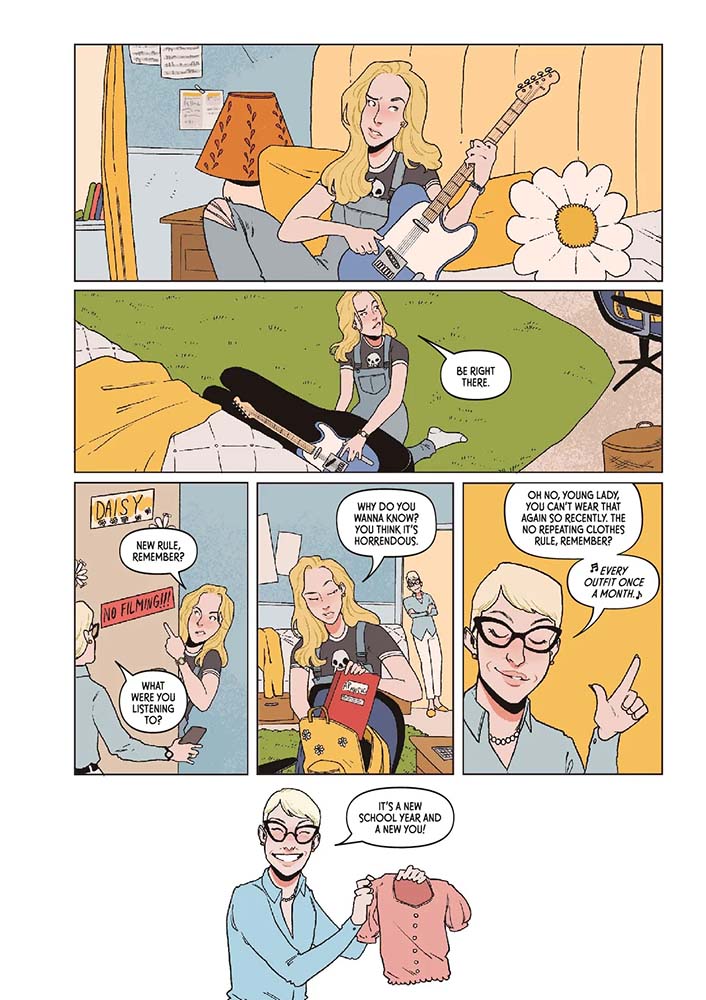
I Didn’t Ask For This is about a bunch of teenagers, desperate to unshackle themselves from the clutches of their influencer parents and lead lives on their own terms. They form a private group called Not Your Baby Anymore to share their experiences and support each other. They intend to get a law passed that could prevent the exploitation of children through social media. But would any politician consider the issues of a bunch of ‘rich’ kids, who aren’t even eligible to vote, worthy of their valuable time?
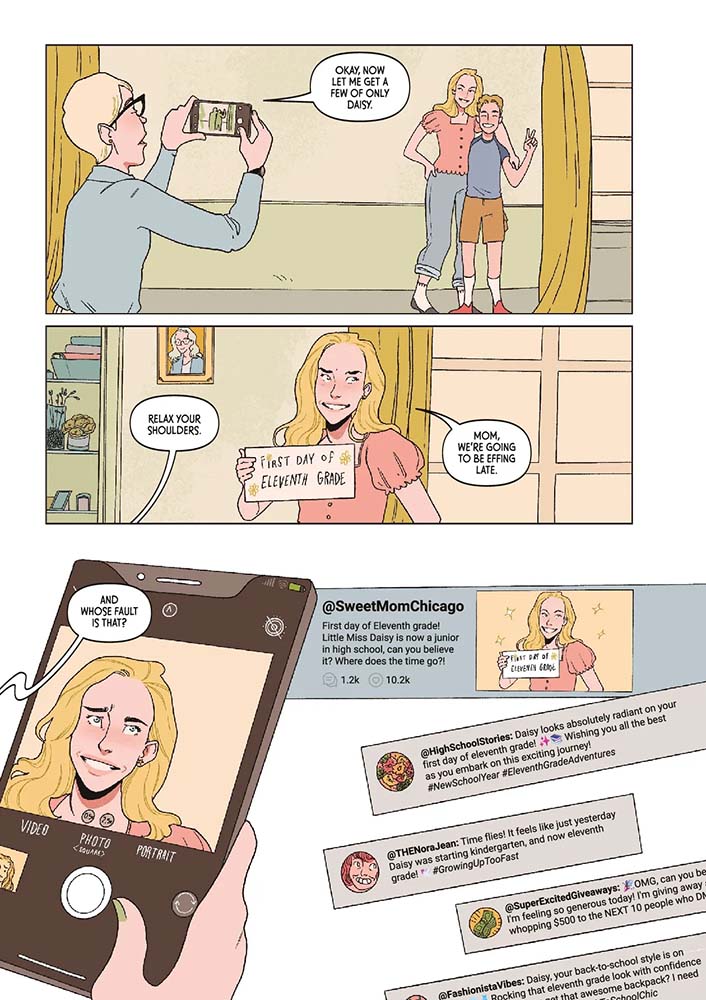
There are two areas in which the writing of Jennie Wood impresses. It effectively captures the language, style, and attitudes of today’s teenagers. The characters, situations, and predicaments depicted in the story are unique to them. At the same time, the solution they come up with is old school, practical, and pretty daring. The book should be relatable to teenagers, while also helpful for the adults, the parents and teachers, who are puzzled at the behavior of youngsters.
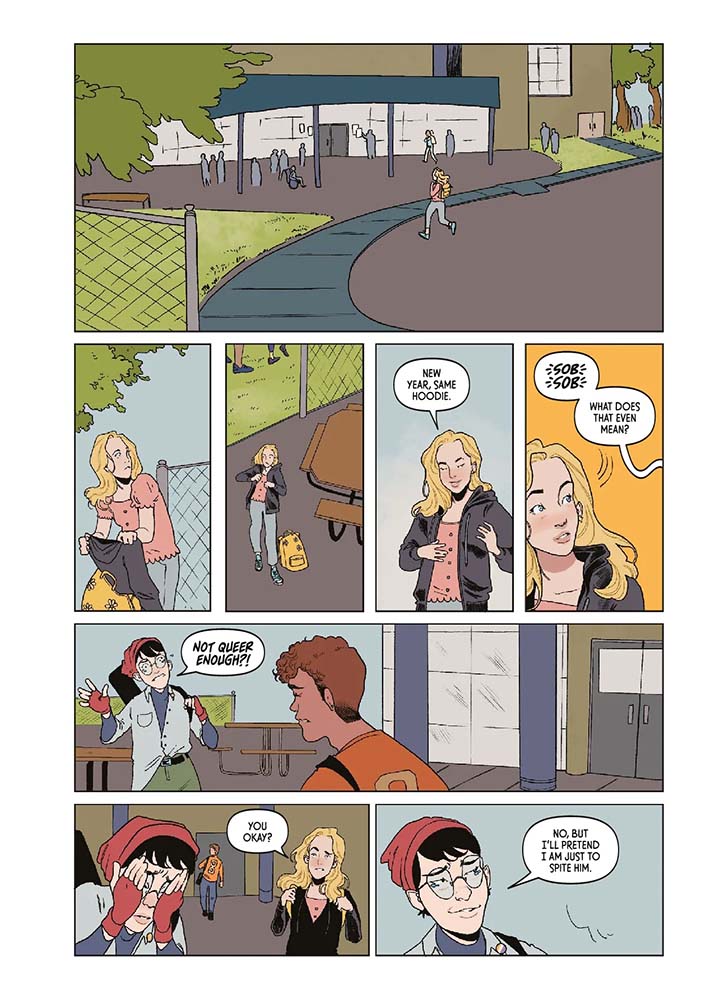
Artistically, I Didn’t Ask For This follows a contemporary aesthetic that supports the writing. The cover art by Francine Delgado, which is heavily themed on social media and its binding nature, closely reflects the themes of the book. The vibrant art by Josh Cornillon mirrors the seemingly extravagant life of influencer kids, but also subtly acknowledges the tension of publicity thrust on them. The art is well-rounded in the sense that it captures multiple perspectives and viewpoints effectively. Its expressiveness and simplicity add to the welcoming nature of the book.
The bright palette brought in by Michael E. Wiggam reinforces this approach. The art is well-rounded in the sense that it captures multiple perspectives and viewpoints effectively. Its expressiveness and simplicity add to the welcoming nature of the book. Charles Pritchett’s lettering is clear and helps the dialogue flow naturally.
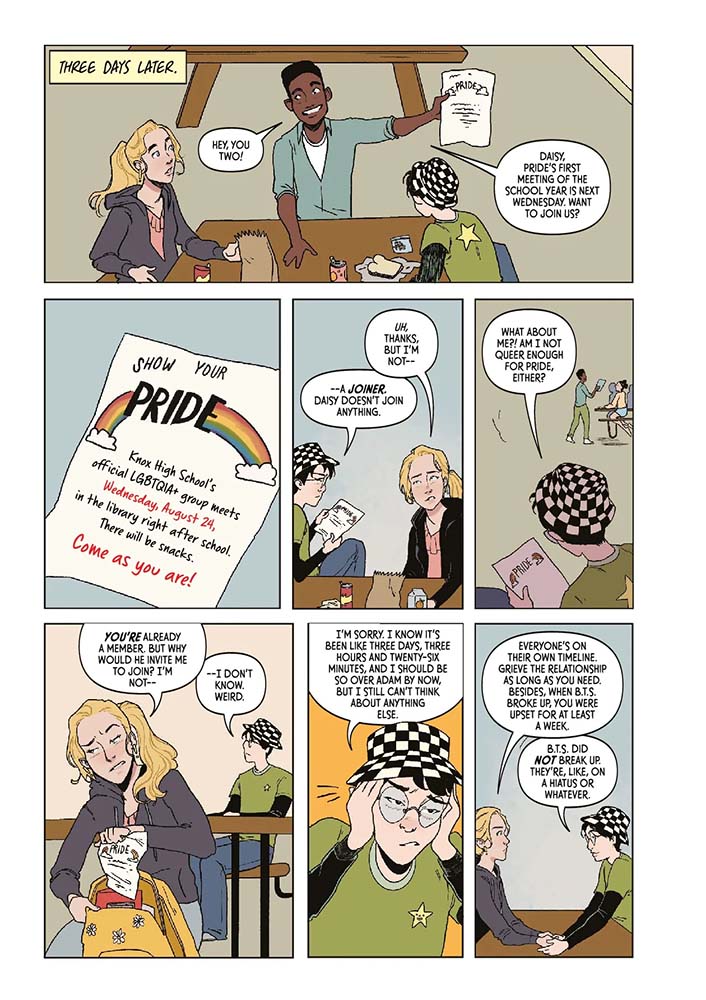
While the book mostly achieves its intended results, it could have cut down a little narrative flab. When the main characters are portrayed compellingly, there are several unimportant characters who seem to be squeezed into the frames, cluttering them. Some of them felt like missed opportunities, like the Indian boy who could have added a unique cultural perspective on the influencer trend. The many subplots included in the narrative makes it more interesting and helps the character-building. But the transitions between different subplots are abrupt and create a slightly jarring reading experience.
I Didn’t Ask For This puts forward a pressing contemporary issue that’s becoming deeply embedded in our social landscape. Stylish and accessible, it engages meaningfully with both young readers and adults trying to understand them. But more importantly, it proposes a sensible and workable solution.
Jennie Wood (W), Josh Cornillon (A), Michael E. Wiggam (C), Charles Pritchett (L), Francine Delgado (CA) • Mad Cave Studios/Maverick, $9.99
Review by Harish. P. I