

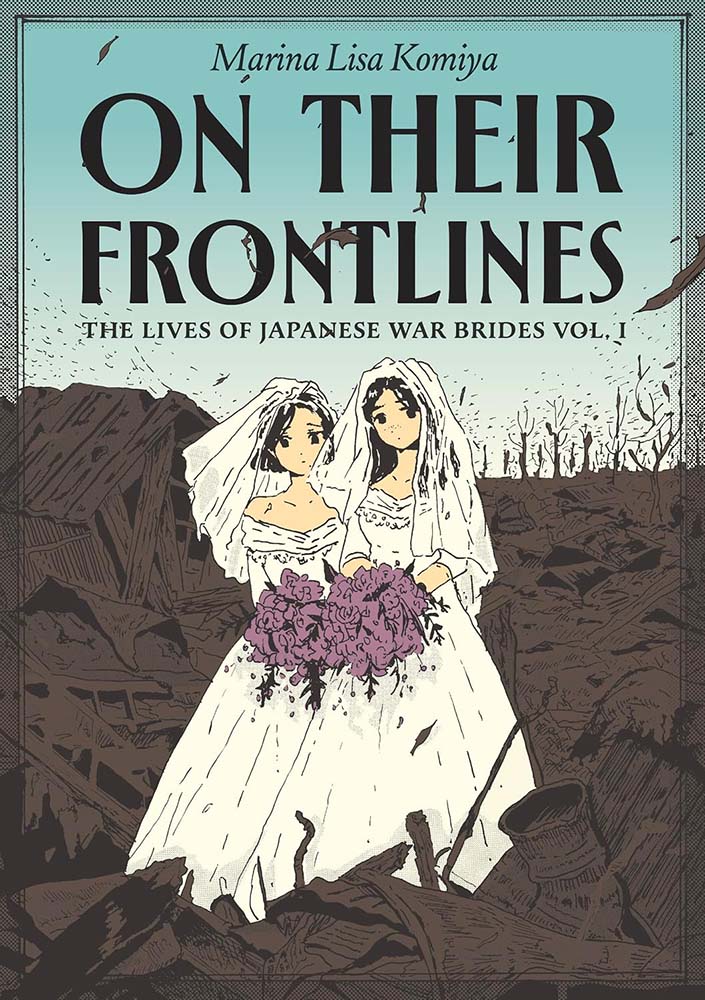
ANDY OLIVER: There’s something very existential about On Their Frontlines. A book not simply about the choices we make but the ones we don’t as well. In that regard how would you describe the kind of philosophical themes you were looking to explore in the story?
MARINA LISA KOMIYA: As a queer artist, I’ve always been interested in the history that has been lost or hasn’t been told. When I narrate the story of the queer people in the past, I want to reveal the absence of their voices from history. For me, shedding light on the absence of queer narrative is like laying flowers for the ghosts of queer souls.
AO: This is the first volume of the story which was originally published online. How long have you been working on it and how did the project come to Fantagraphics’ Takumigraphics imprint?
KOMIYA: I started making a plot in 2022, , while I was staying in the Bay Area for a short period. It was perfect timing since I had fewer exhibitions due to the COVID-19 pandemic. I think I spent half a year researching and another half for developing a plot. I started serialization in the spring of 2023 on Japanese web magazine To-Ti, and finished in January of 2025, so it took almost 3 years from start to finish. Since the story is about the history of Japan and America, I really wanted to publish it in the U.S. So I boldly sent the Japanese copy to Fantagraphics! I attached a note explaining how much I’d love to publish this book with Fantagraphics, since part of the story takes place in Seattle. Luckily, they responded and decided to publish it.
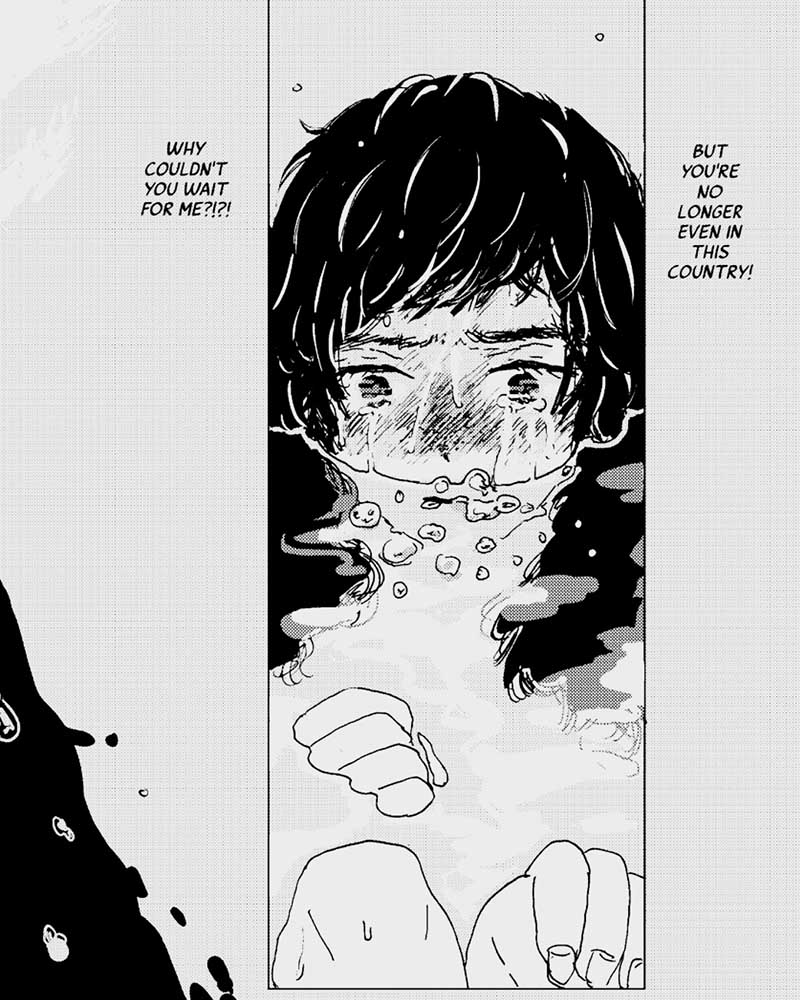
AO: You speak in the book’s introduction about your own identity and how working on the graphic novel made you consider that. How important was it to you in On Their Frontlines to give representation to and honour the kind of queer voices that history has erased? And did your own lived experiences feed into the kind of cross-cultural ideas you wanted to explore in the story?
KOMIYA: As I answered earlier, narrating the untold stories of queer people is a very important theme for me. At the same time, through my own experience, I’ve felt that the fluidity and instability of being queer, existing outside the binary, can be similar to the instability of living in a cross-cultural state.
My own experiences have given me an opportunity to think about intersectionality from multiple perspectives.
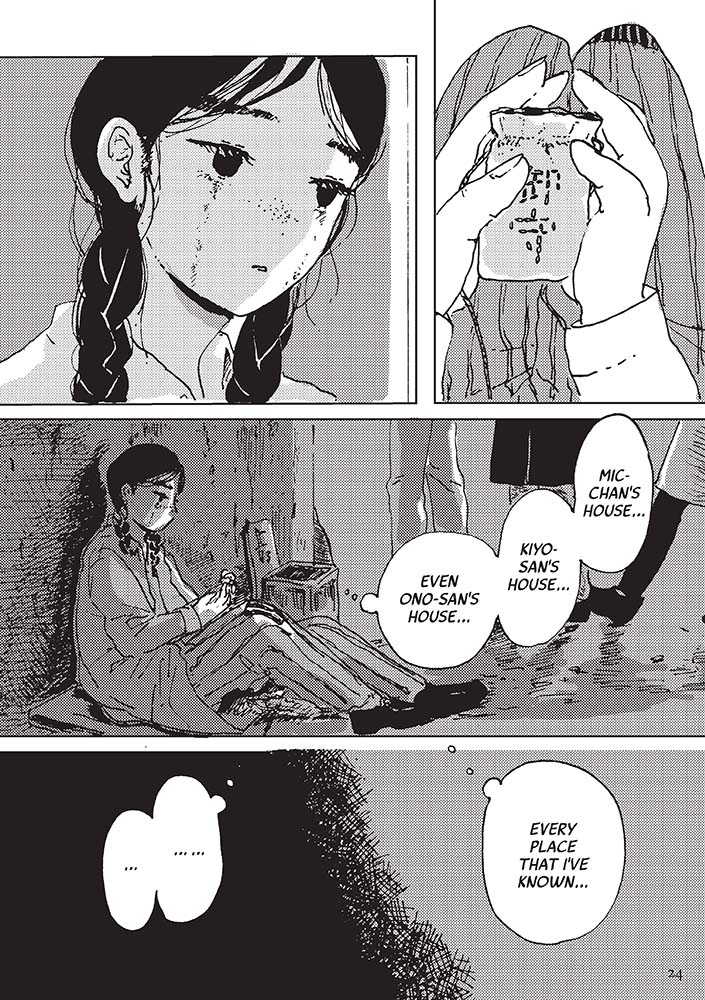
AO: Can you tell us about how you went about researching the book and the resources you used to ensure it was historically accurate?
KOMIYA: I mainly researched archival materials, including interviews, several immigration museums, as well as old documentaries and films. Fortunately, many people had archived their experiences of postwar life and Japanese American history.
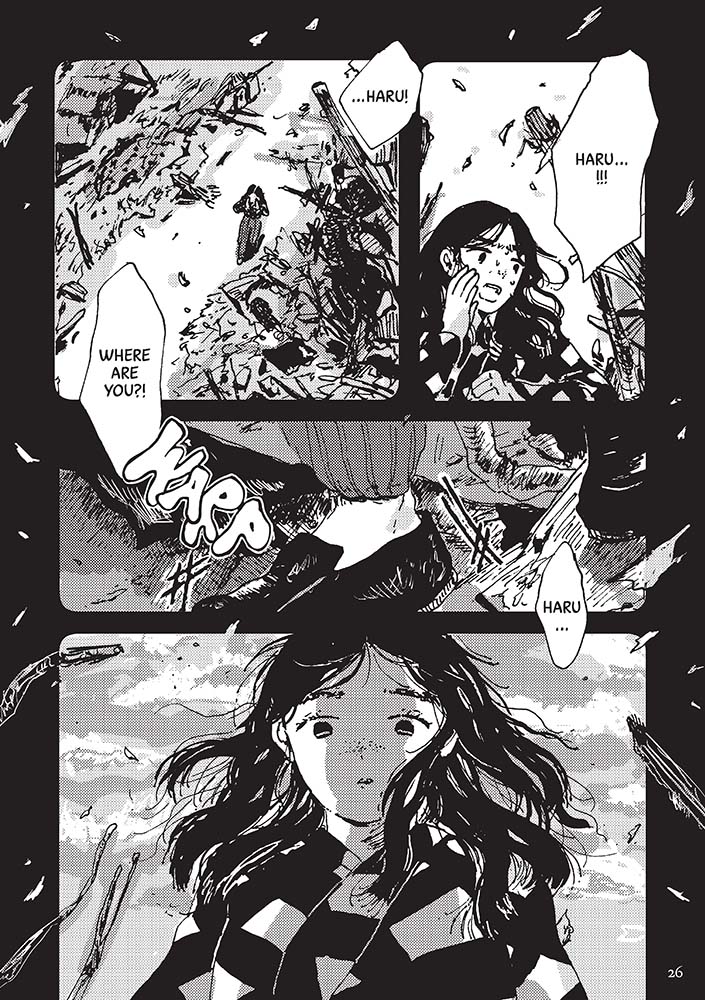
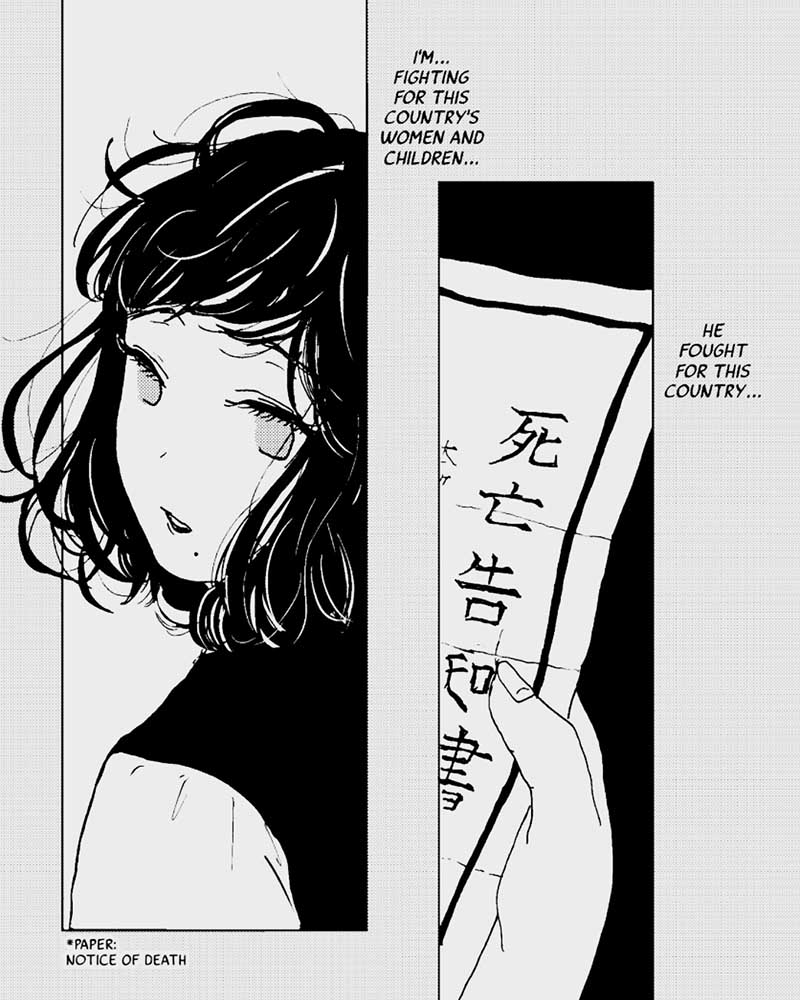
AO: Something that stands out immediately about the first volume is how eloquently you use the language of comics to communicate the characters’ emotional journeys. Can you give us some background on your artistic process and the mediums you work in?
KOMIYA: I mainly drew the linework on paper with a pen, and then did the rest digitally. These days, many comic artists work fully digitally, but since I studied oil painting at university, working entirely digitally didn’t feel natural to me. In Japanese manga, it’s common to treat each panel as an individual image. I tend to think of the whole page as one composition instead.
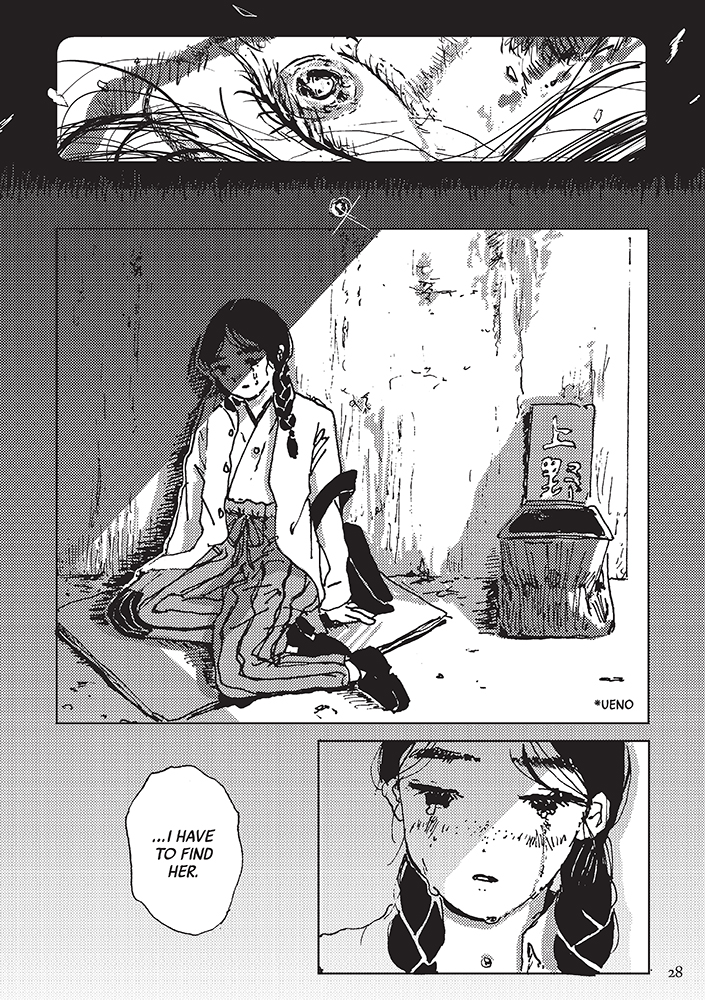
AO: And, finally, when can we expect to see the second volume? And what else are you currently working on both in comics and outside it?
KOMIYA: I’m now working on the second volume with Fantagraphics. Hopefully we will be able to release it sometime next year. For the comic, I’m currently on the plot for a series of sci-fi-themed short stories. Outside of comics, I’m creating art using biotechnology.
Interview by Andy Oliver
Fantagraphics at 50 Month runs through August at Broken Frontier. You can see articles as they’re published in one tagged list here.