

To read about loss is always hard, given how someone else’s pain inadvertently resonates with one’s own. What’s harder is coming to terms with loss that makes no sense, because of how it is often tempered by anger. Those are the overriding feelings evoked by Arizona O’Neill’s debut Opioids and Organs, whose title only hints at a horrifying, little-known connection.
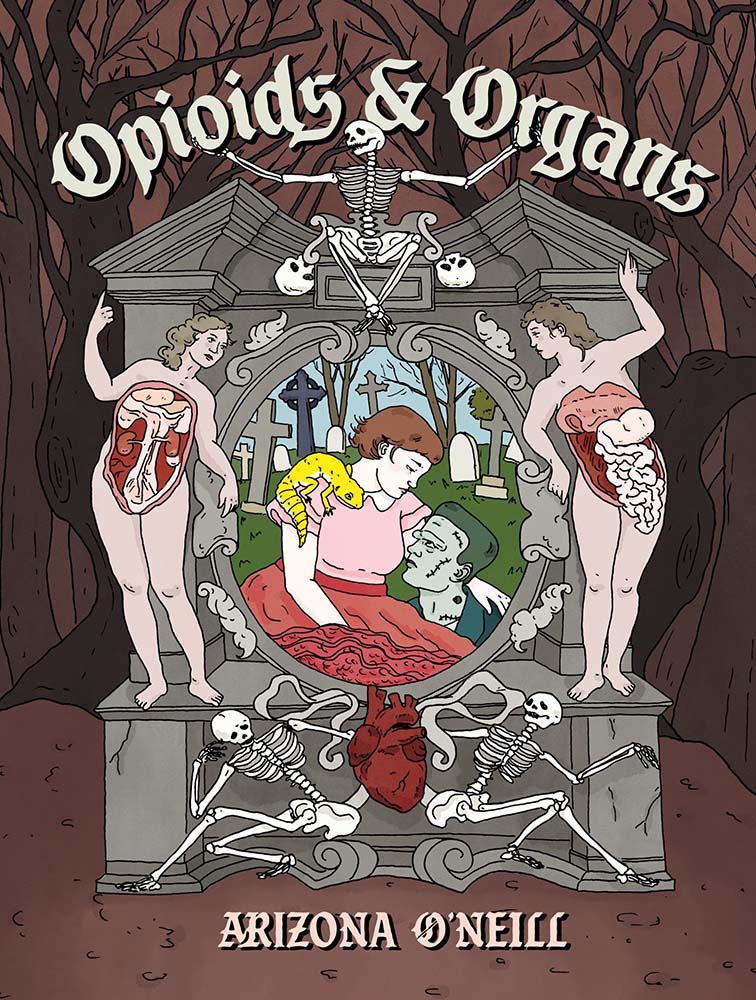
O’Neill’s father died of a fentanyl overdose at the age of 41, after which his organs were harvested. What sounds like a noble act quickly takes on a darker hue as the artist starts asking uncomfortable questions about the practice. She enlists startling facts to examine how a section of society in crisis is ignored because of how their deaths have the potential to benefit another group of people. Straddling both is a medical system that blurs the line between what’s right and what is profitable, raising further doubts about laws, the nature and treatment of addiction, and what constitutes value when the life of a human being is being measured.
Opioids and Organs is so much more than a memoir, not only because of O’Neill’s ability to distance herself from personal tragedy to adopt a clear-eyed approach, but because of how she transforms it into a searing indictment of a system. She lays out her premise early on (“the medical industry is stealing organs from the opioid addicts”) and lets the untimely demise of her father shine a light on how this has been allowed to happen. The result is not an easy read (and readers are warned on page one), but an undeniably important one.
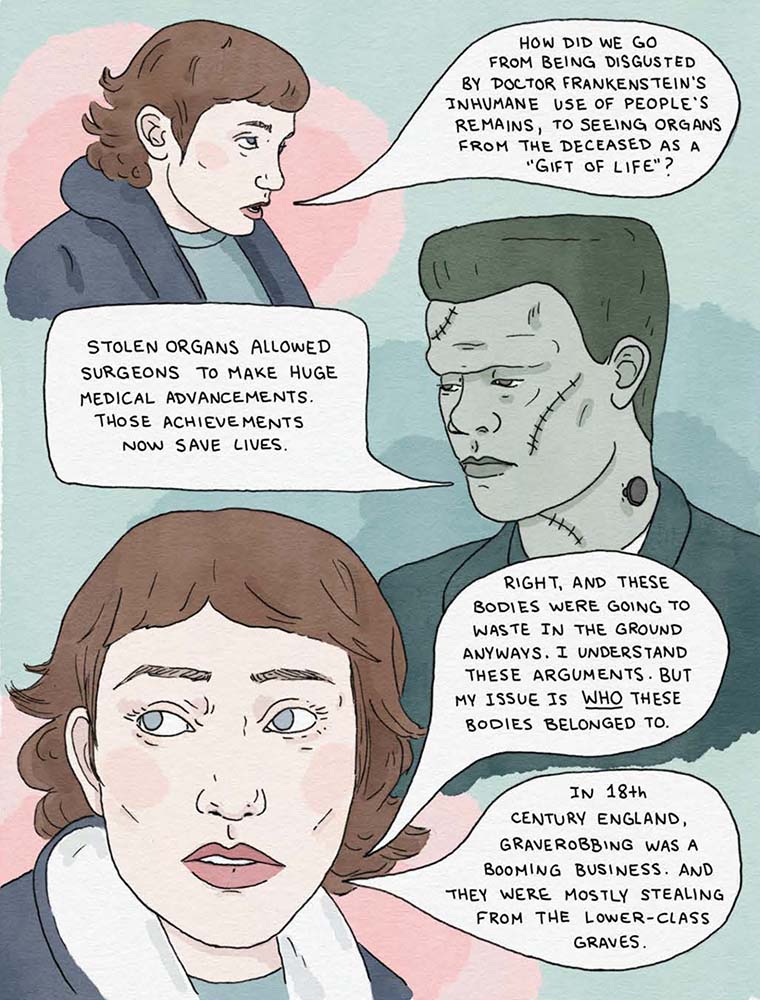
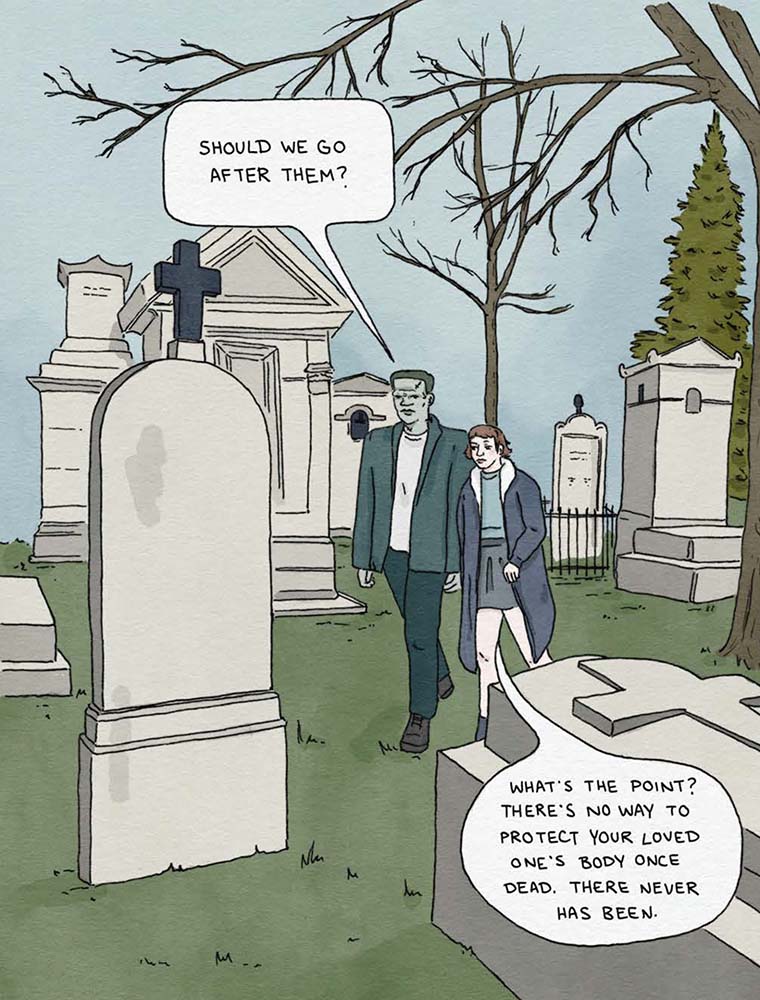
Interestingly, O’Neill enlists the help of a fictional character to initiate and drive this difficult conversation. Frankenstein, the misnamed protagonist of Mary Shelley’s classic, is an apt choice because of how he was made by his creator using body parts scavenged from graveyards and charnel houses. This helps O’Neill draw attention to how the medical community has never been a stranger to controversy, given its long history of questionable practices. In the United States alone, for instance, there have been recorded instances of experiments on humans, including deliberate infection, exposure to biological and chemical weapons, radiation experiments, and others. Significantly, most tests have been performed on the vulnerable, and addicts always fall into that category.
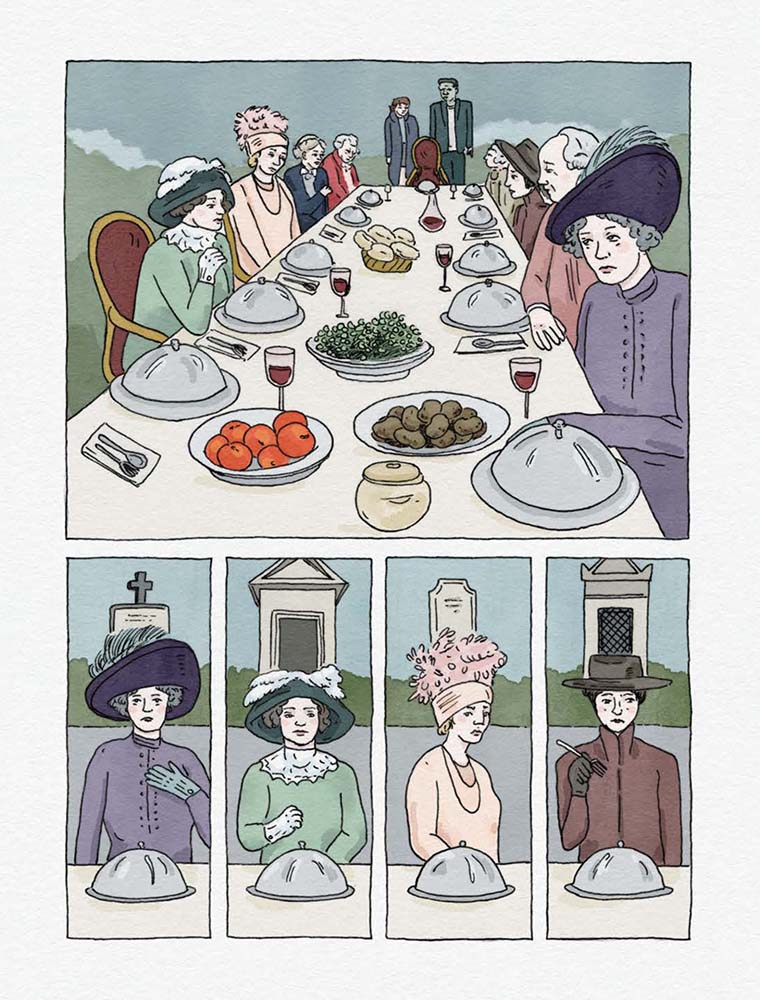
When a subject has no knowledge, or cannot consent, the need for a change of policies and better oversight becomes paramount. O’Neill makes this case more powerful by using her family as an example. One assumes that grappling with this difficult past also becomes a means of catharsis, and she has spoken of the haunting effect that her father’s passing had on her grief, including what pushed her to make a connection between drug overdoses and organs.
According to the Canadian Institute for Health Information, 3,212 organ transplants were performed in Canada in 2024. 82% of them used deceased donor organs while 18% used living donor organs. By December that year, there were 4,044 Canadians on wait lists to receive a transplant. At the same time, according to statistics posted by the government of Canada, there were 55,032 apparent opioid toxicity deaths reported between January 2016 and September 2025.
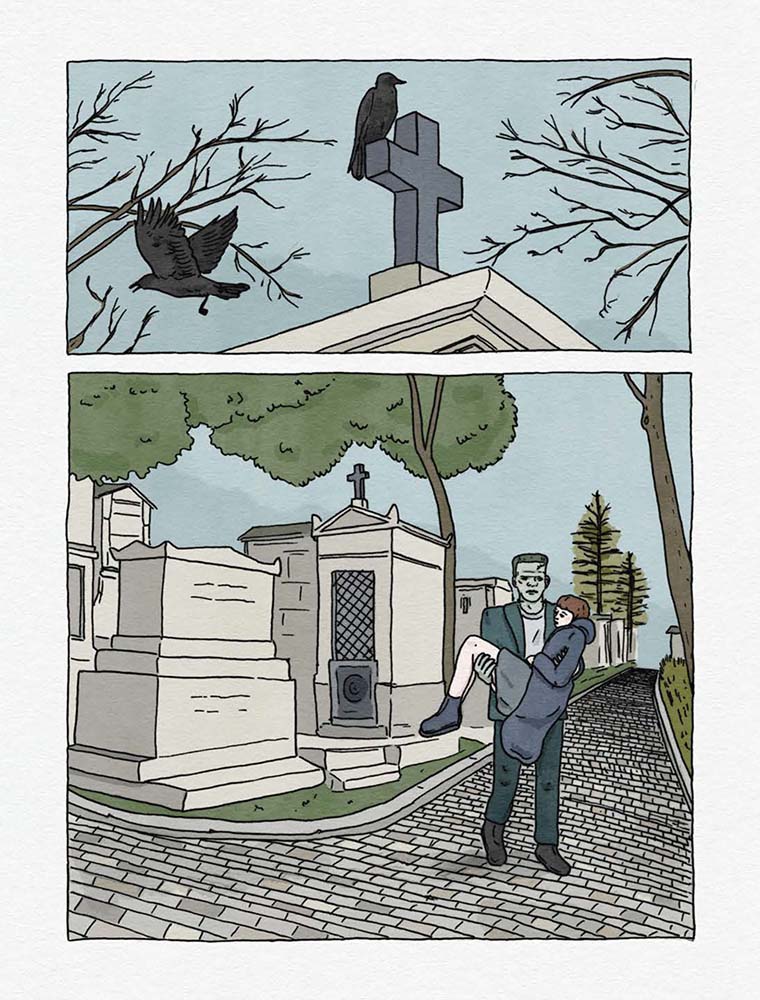
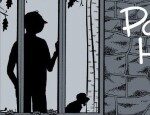
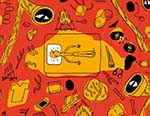
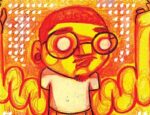
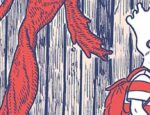
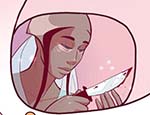
An interesting thing about O’Neill’s art is how it engages with the reader, initiating a dialogue of sorts. Her colours are warm, with figures and faces drawn from real life. One jumps, alongside her, from cemeteries in Europe to dissecting tables in America, and she opts for line-drawing illustrations that are playful but also matter-of-fact. She is an undeniably talented artist.
This is a beautiful, brave book that leaves one with more troubling questions than answers. The best thing it does, however, is prompt a re-evaluation of how society treats its most vulnerable members.
Arizona O’Neill (W/A) • Drawn and Quarterly, $30.00
Review by Lindsay Pereira