

One of the most interesting things a fan of any artist can do is invest time and energy in following the evolution of said artist. When this is done long enough, patterns begin to emerge: highs and lows that correspond to biographical or artistic milestones. Over time, this helps with personal growth too, as one learns to look at a body of work differently and appreciate what may once have been misunderstood or dismissed. In short, paying attention to what an artist does over time is highly recommended.
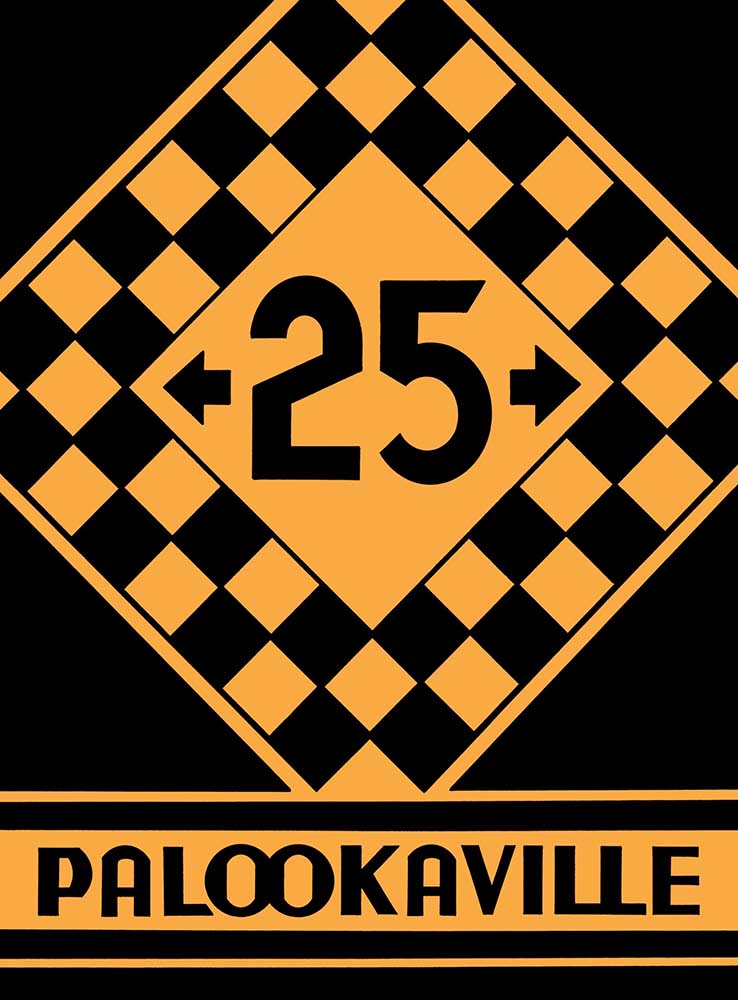
Palookaville is, to this critic’s mind, one of the finest things that exists in comics for multiple reasons, starting with the fact that we are lucky to be alive at the same time as Seth. Much has been said and written about his singular voice, his dogged determination to dance to a tune of his own making, and his commitment to the comic form. What Palookaville does, however, is arguably more important than what his completed works do. It pulls back the curtain a little, allowing one to look at how his mind works, which makes for an endlessly fascinating, always intriguing sight.
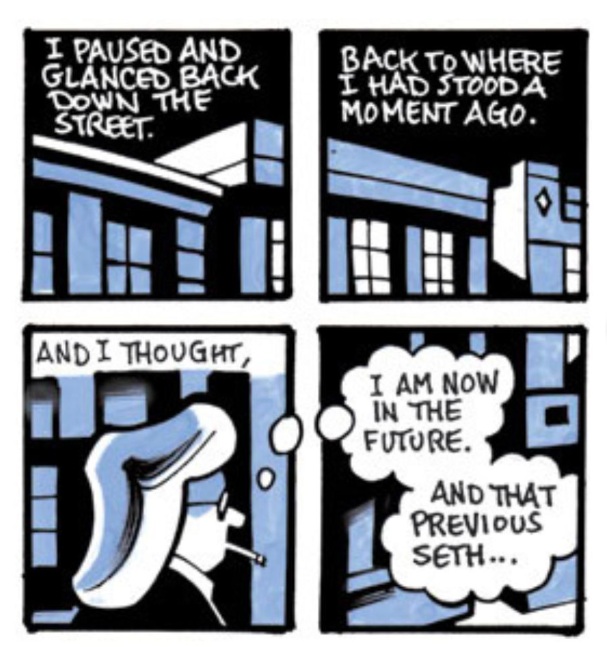
For those who have been following the periodical (not an accurate description given how irregularly it appears) for over close to two decades now, it’s clear that Seth needs them in some way. Perhaps they push him to stick with ideas or themes that preoccupy him. Sometimes, these take the form of stories that eventually end up as fully fleshed-out works (like Clyde Fans). At other times, they allow him to indulge in experiments such as the usage of rubber stamps featuring his own work.
In 2014, a documentary titled Seth’s Dominion by filmmaker Luc Chamberland helped fans understand a little more about the man who painstakingly — some might say obsessively — works on building his stylised version of an ideal world. What Palookaville does, to some extent, is extend that vision by documenting what continues to tick in his crowded brain.
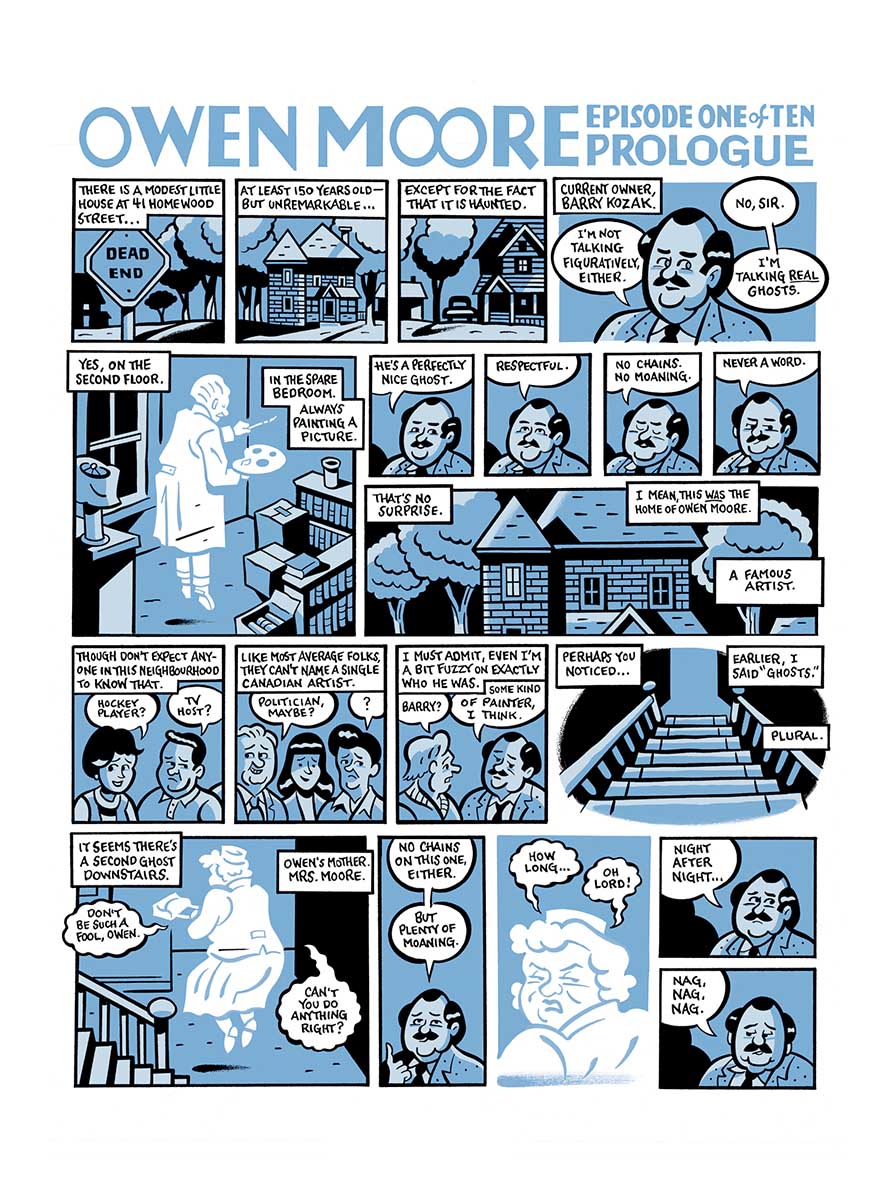
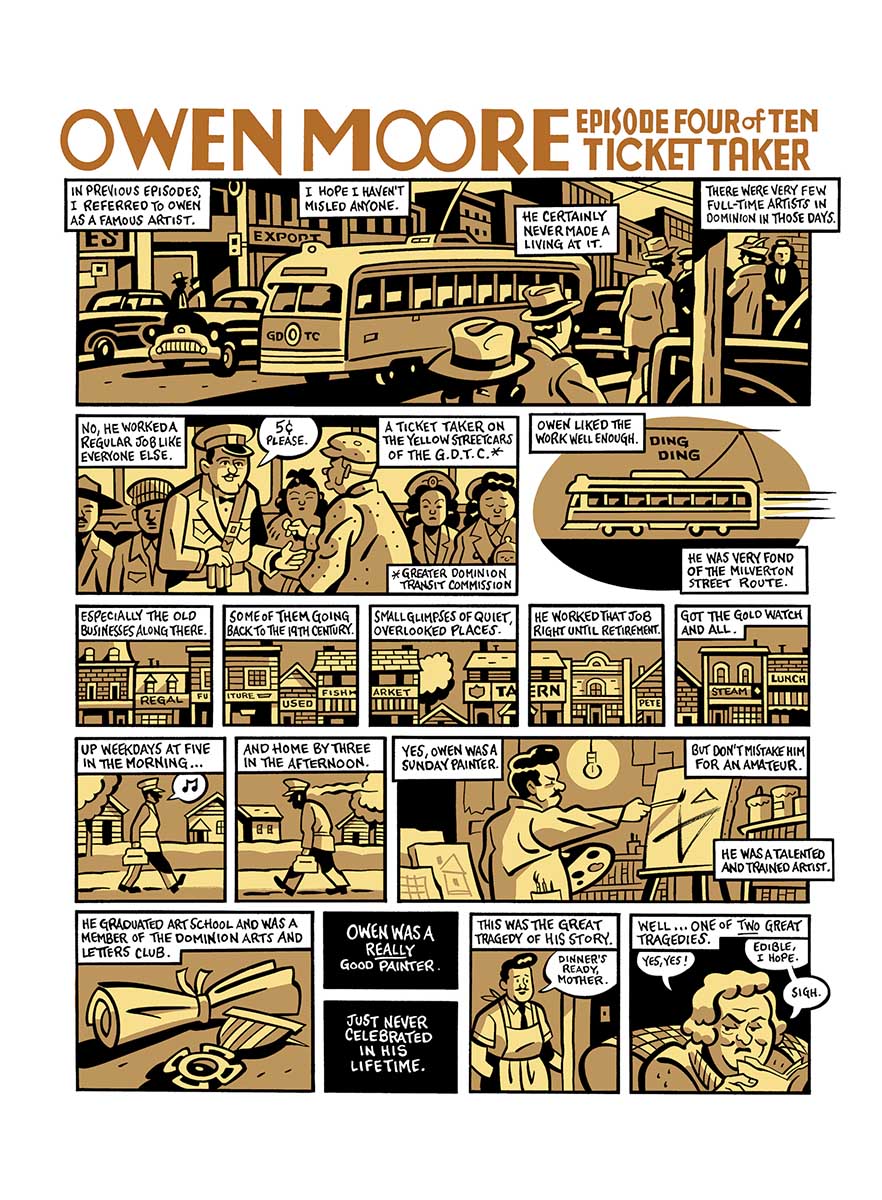
This time, we get part five of a memoir he has been working on called ‘Nothing Lasts’. Also, a photo essay of a bronze sculpture installation called ‘Living Room Suite’ that sits near the bus stop in front of the Art Gallery of Guelph in Ontario. The photographs chronicle its creation from idea to final work. There’s also a collected ten-drawing story called ‘Owen Moore’, first published in The Walrus magazine, about the life and work of a fictional artist who achieves posthumous success.
Palookaville first appeared in April 1991 and has since helped give birth to the classics ‘It’s a Good Life, If You Don’t Weaken’ (1996) and ‘Clyde Fans’ (2019). It often feels like an important artefact that coerces Seth down avenues or pathways he wouldn’t normally follow, for which we ought to be grateful. No one knows what Palookaville 26 or 27 will be like, but they may feature snippets of a long graphic novel that he says he is currently working on, adding that it will appear in the years to come.
What can be stated with confidence is that no matter what Seth chooses to share with us, in whatever form, will always be interesting.
Seth (W/A) • Drawn & Quarterly, $25.00
Review by Lindsay Pereira