

There are some pages in this powerful tale that are hard to explain because they don’t appear to fit in with the larger narrative. There are images of feet, and swimming pools, corners of rooms, as well as tight close-ups of faces. After a point though, they start to accrue and gather some kind of internal momentum, building a disjointed yet broad view of a life under siege.
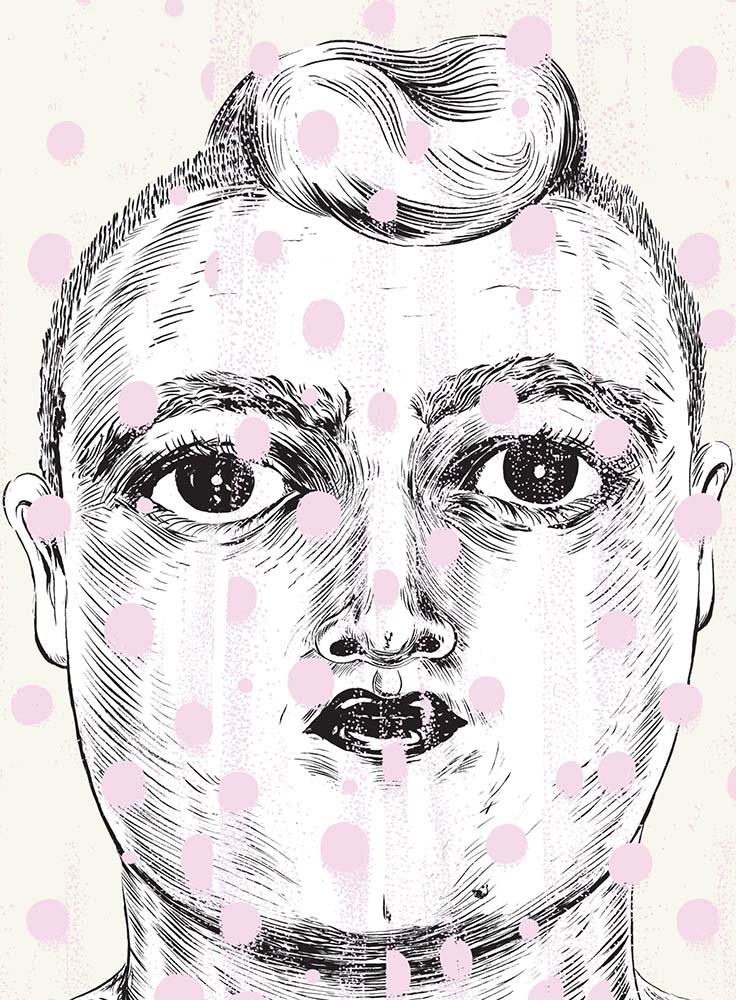
The protagonist whose life is being dissected is a young woman of indeterminate age called Mary Pain, and that last name is telling. She has returned to the home and town she once promised to leave behind forever and the reader is drip-fed bits and pieces of why she’s here. There are hints of tragedy, and we recognise that she has been through something terrible. Slowly, as she interacts with people and places from her past, she reaches a tentative state of peace followed by one of redemption.
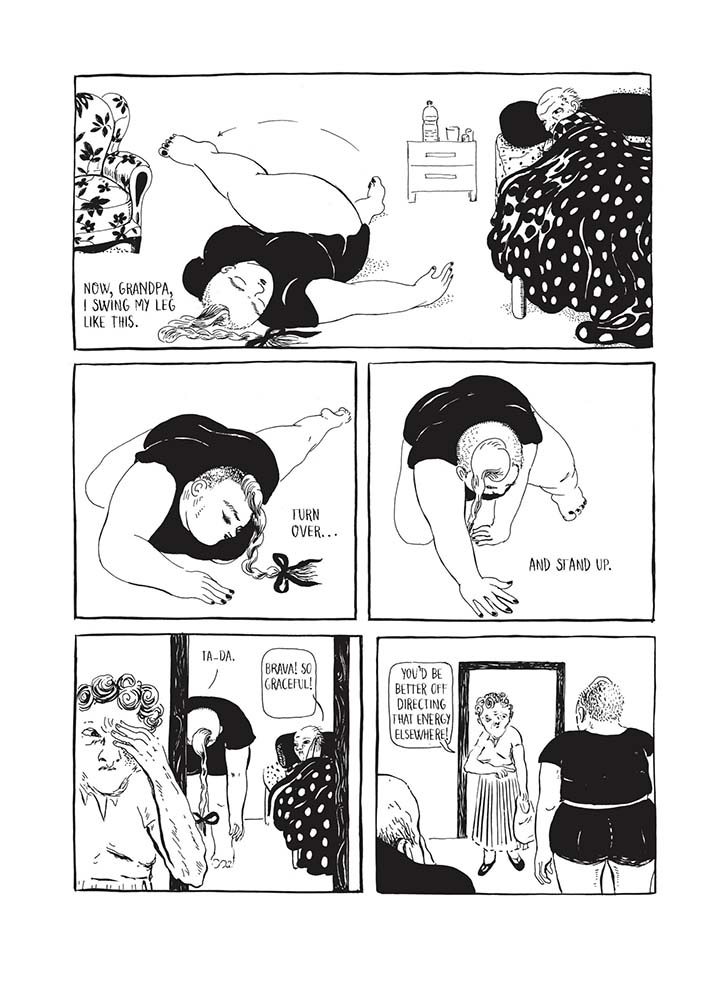
This is the kind of story where the journey matters more than the destination, and much of it has to do with the cinematic quality of Lorente’s art. Mary Pain is a fully realized character, with a distinct personality informed by the shock of a painful childhood. She displays multiple signs of trauma, from the avoidance of reminders to feelings of numbness and detachment. Lorente documents her mood changes as well as her emotional responses, with the help of people she spends time with. These include an ailing grandfather, her estranged father, girls she went to school with, a childhood friend, and a young neighbour who happens to be dealing with challenging circumstances of his own.
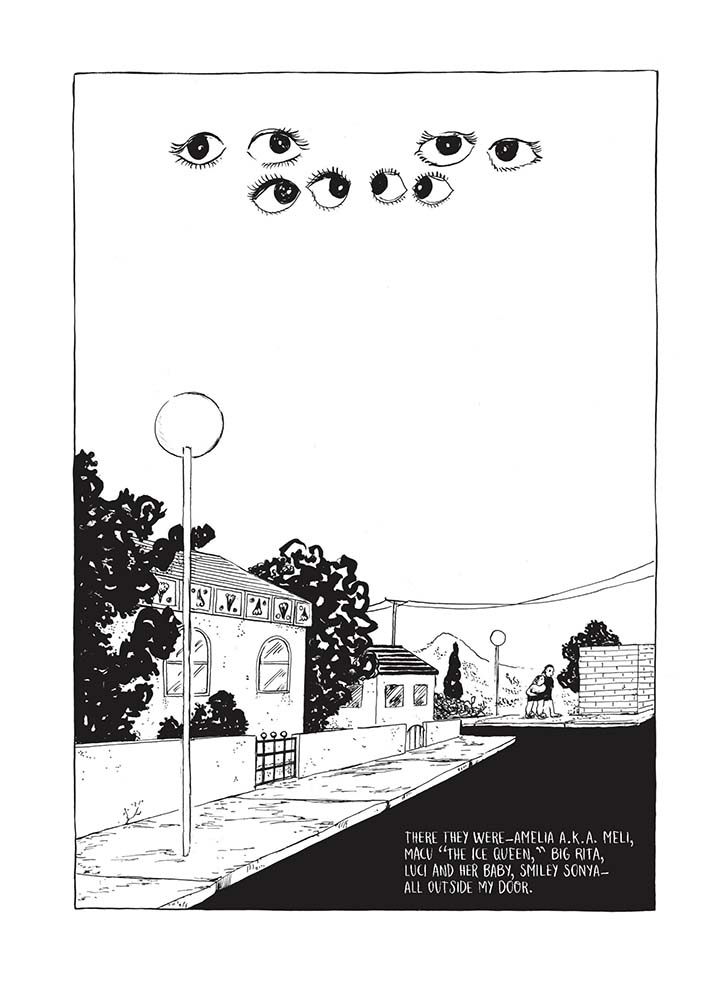
Another thing Lorente does effectively, and with subtlety, is draw out the nuances of a difficult mother-daughter relationship. None of what has occurred is spelled out, but there are hints, from the way Mary’s neighbours look at her to the recurring dreams she has, along with imaginary conversations with her deceased parent. There are references to what psychologists call role reversal or parentification, where a daughter is forced into a caretaking role for the mother, causing anxiety and resentment. Through it all, Mary continues to try and come to terms with the life she has been given. She knows her grandfather is dying and that her childhood home is to be taken over by a bank, but continues to forge connections, even if some of them are disturbing, which ultimately makes her a survivor.
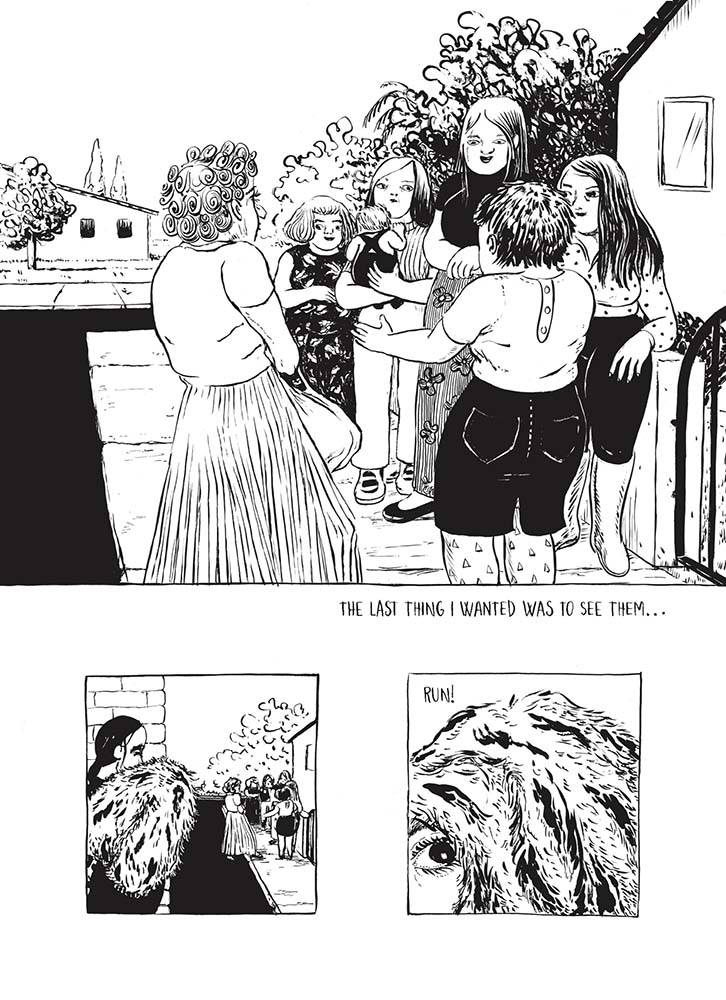
Given that this is Lorente’s English debut, translated from the Spanish by Andrea Rosenberg, it’s also interesting to consider the long-standing and profound theme of duelo, or grief, which is deeply rooted in Spanish culture. In literature, this takes the form of an exploration of loss that is emotional, physical, and social. There are communal aspects of mourning too, such as luto, which refers to the outward expression of grief in the form of mourning clothes or rituals, which may explain why Lorente pays attention to these in some of her panels.
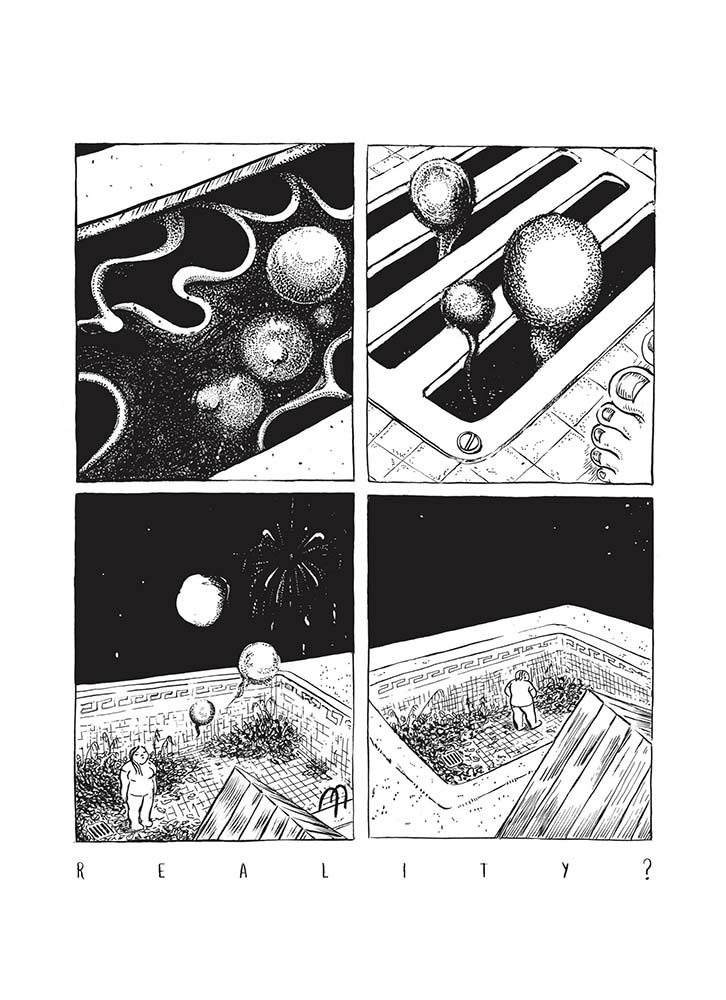
It’s difficult to explain why Mary Pain works the way it does, but it leaves one with the sense of having completed a journey. As the young woman departs again, it feels as if she has turned a corner and put some of her ghosts to rest. It makes for a touching, thoughtful debut.
Lola Lorente (W/A), Andrea Rosenberg (T) • Drawn & Quarterly, $28.00
Review by Lindsay Pereira