

In February 2026, a major study of adolescent bullying in the United Kingdom revealed the scale of challenges for health and education systems in that country. It surveyed over 8,400 secondary school pupils aged 12-15 and found that nearly 30% of them had reported being bullied at school. It is a worrying statistic, and one that reflects a growing problem around the world. The universality of that experience, and how it shapes the lives of those affected, is what Paul B. Rainey tries tapping into with Murder School. He does it very well.
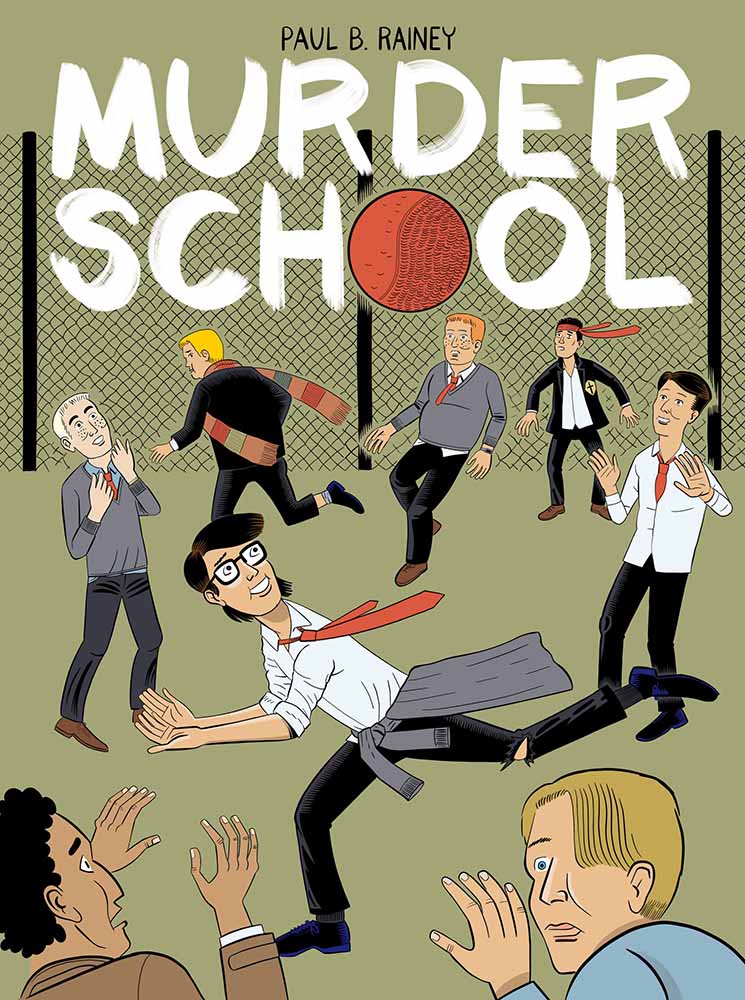
One thing that is almost immediately obvious in the memoir is its authenticity, and how the details come alive because they appear to have been lived through. At around the midway point, it starts to feel as if every adolescent in middle school must have dealt with some version of the protagonist’s experience. This is a book about someone who has suffered and spent time trying to process what happened. It is to Rainey’s credit that the mental and emotional effects are portrayed not just with sensitivity, but humour. If there is anger, towards the system or its enablers, that emotion is also tempered with empathy.
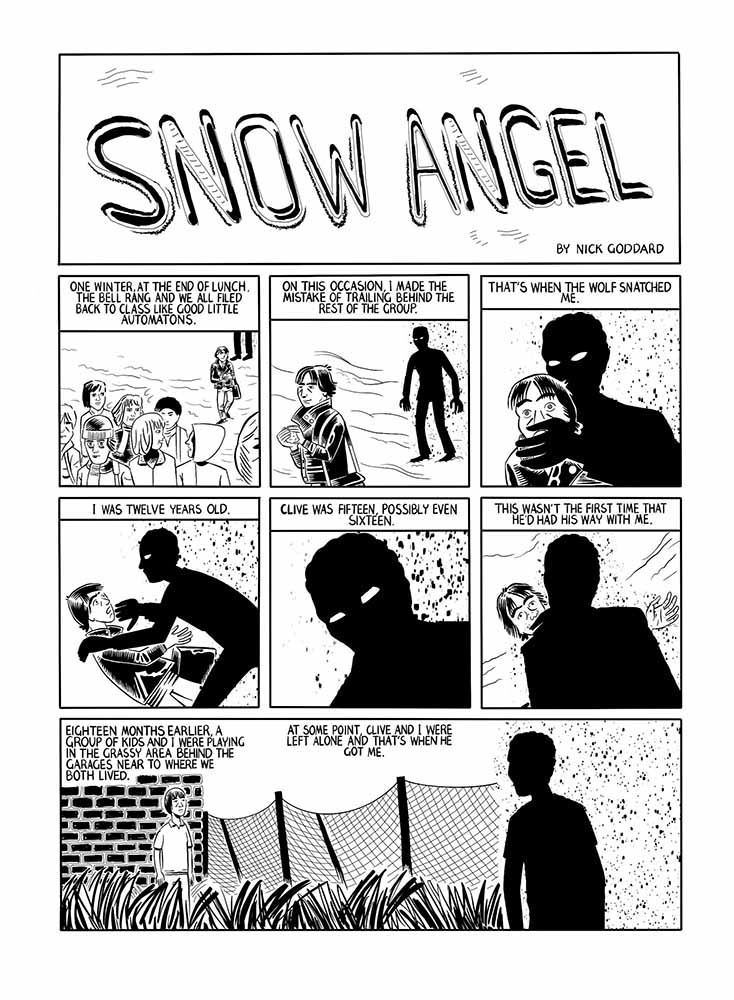
What happens over the course of the book is that Rainey’s story starts to stand in for every student who has been picked on for being different, or not fitting in with what the cool crowd thinks is the right look. He adopts an alter ego while dealing with difficult subjects like sexual assault and tries to understand why some students turn into bullies. Framed as a series of episodes, the memoir encompasses everything from the unspoken hierarchy in every school to the indifference of teachers, the inability of parents to grasp what their children are navigating, and the fragility of friendships that end as quickly and inexplicably as they begin. We are introduced to strict disciplinarians and unreliable companions, but the joy of being young and alive is always undercut by the unfairness and cruelty of this phase of personal growth. It makes for a bittersweet portrait of a period missed for all the wrong reasons.
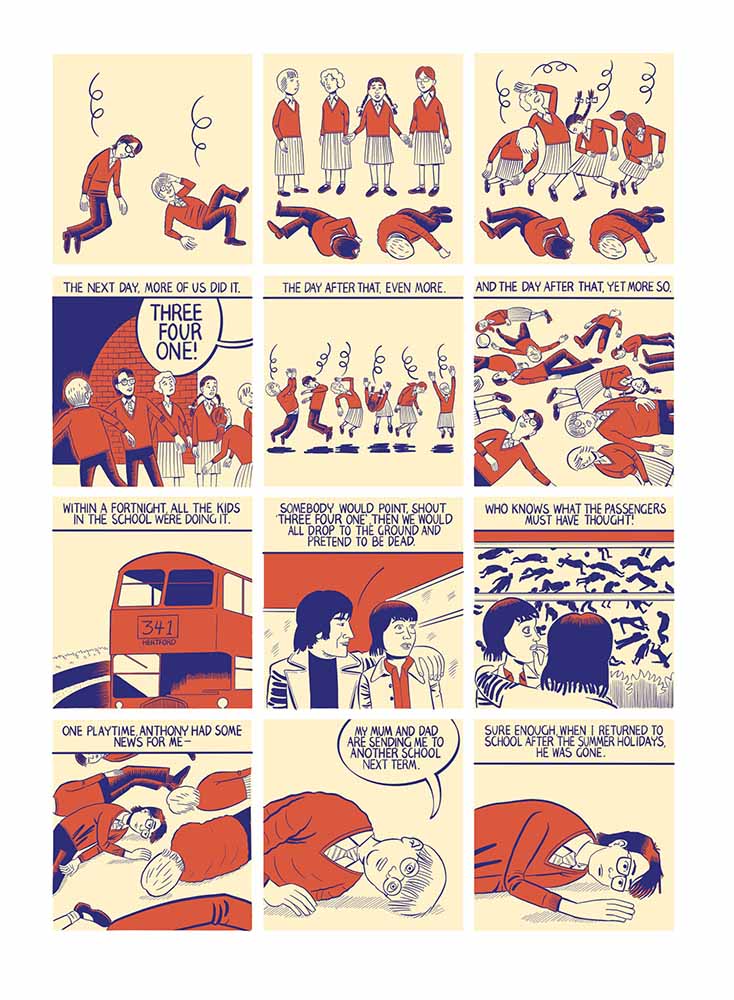
Another thing that stands out is the art, particularly in panels that encapsulate the absurdity of teenage life. For example, Rainey describes a phase where his classmates feign unconsciousness after calling out the number of a bus, leaving us with the image of a schoolground scattered with the prone bodies of young people under the shadow of a cross, this presumably being a Catholic school. It is the sort of panel one can look at for a long time and come away with the sense of experiencing something almost mysterious. It feels as if he has successfully unlocked a new level of maturity as a cartoonist.

For readers familiar with Rainey’s earlier work, and there are probably a lot of them, Murder School ticks all the boxes. It appears to be a straightforward tale, but the simplicity is deceptive. There is more going on here, and it emerges after one has turned the final page and sat with the story for a while. It is only then that the enormity of this seemingly little world makes itself known. Read it yourself, or gift it to all the young people you know.
Paul B. Rainey (W/A) • Drawn & Quarterly, $27.00
Buy online from Gosh! Comics here
Review by Lindsay Pereira