

ARC FESTIVAL 2026! Sometimes in preparation for a piece like this you realise there are so many projects you could ask your subject about that you could probably run half a dozen interviews with them. Such is the case with today’s interviewee Ferry Gouw – comics creator, illustrator, graphic designer, art director and former pop star, the list of Ferry’s contributions in the arts and pop culture worlds is a not insubstantial one.
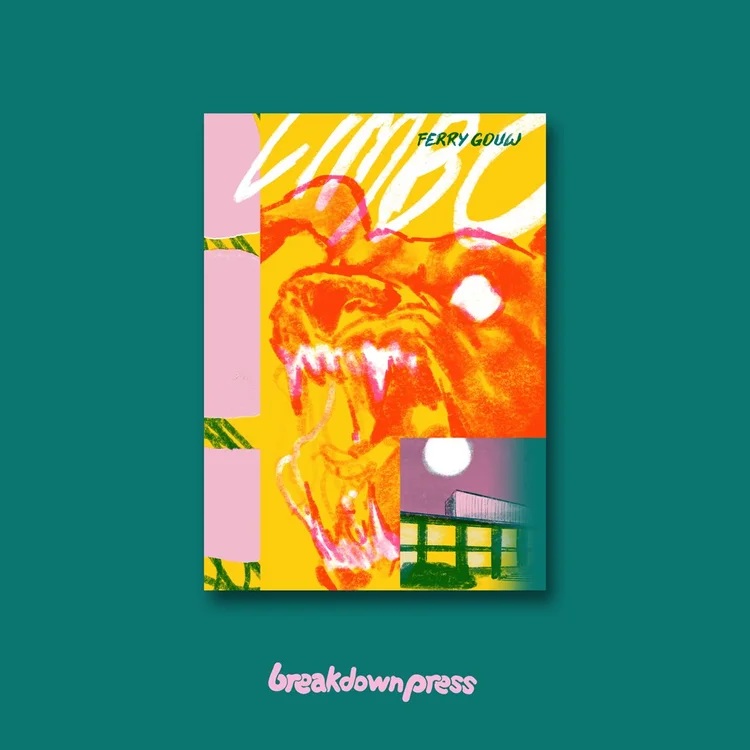
With his new book Limbo (below) from Breakdown Press launching this week we caught up with him to chat about music project and spin-off graphic novel Major Lazer, the themes he explores in Limbo, and the unlikely inspiration of Practical Fishkeeping magazine…
ANDY OLIVER: Comics are just one part of your creative repertoire so can we start with an introduction to both you and your wider artistic background?
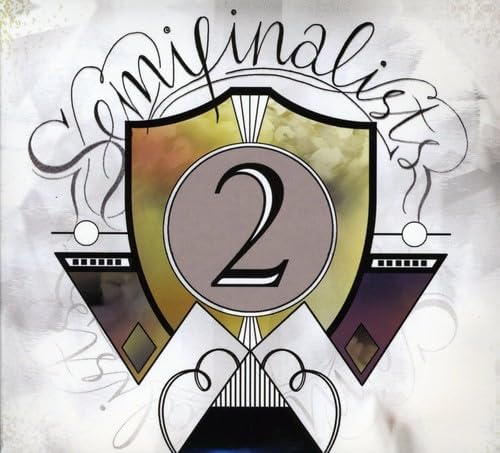
FERRY GOUW: I am an illustrator, graphic designer, and art director by trade. I sometimes do animation, I used to make music in bands, and I used to shoot films and music videos. I grew up in Indonesia and I moved to London when I was 15. I lived with my sister who was 17, in a flat just the two of us (I don’t think that was legal?), so I kind of had to make sense of the world by myself as a semi-feral child. By the time I got to art school I started playing in bands, and making small press comics! I used to do one called Living Room with my friend Tom Vek. Then I did my Masters in Filmmaking, by this point our little music scene caught a buzz and everyone got signed including my band Semifinalists. I used to make flyers and posters for everyone, so when I stopped doing music I was asked to do artwork for various friends who ended up working at record labels.
AO: What was your entry point into comics as a medium and what is the draw of them for you in terms of their unique storytelling language?
GOUW: Like a lot of people, (maybe even more so with us Asians?) my first encounter with comics required no discernment whatsoever, they were just an everyday enjoyable rag that everyone read and discussed. I think I started reading Tiger Wong, a Hong Kong kung fu series to begin with, then all the usual 90s manga, Dragon Ball, Fist of the North Star, City Hunter. I guess looking back these types of comics were quite working class, you buy them from street vendors outside of school.
When I became a mallrat I started idolising western culture. This was when I got into Marvel comics big time, they were in vibrant colours, sold in proper bookshops in a mall (usually in a plastic wrapper), they seemed luxurious and extra. It was also a great period for it with the Spider-Man Clone Saga and Venom, the height of X-Men. But it never occured to me that these were the product of someone’s artistic vision or endeavour, the same way I never thought about film directors. Comics and films just got made, I supposed? Image Comics was the first time I made the connection that comic books were made by artists and they had their own drawing and storytelling styles. But the first real breakthrough in terms of my immersion into “alternative” comics was reading Optic Nerve and Eightball. My Living Room comic was an exercise in trying to emulate Adrian Tomine’s mini comics, hahah.
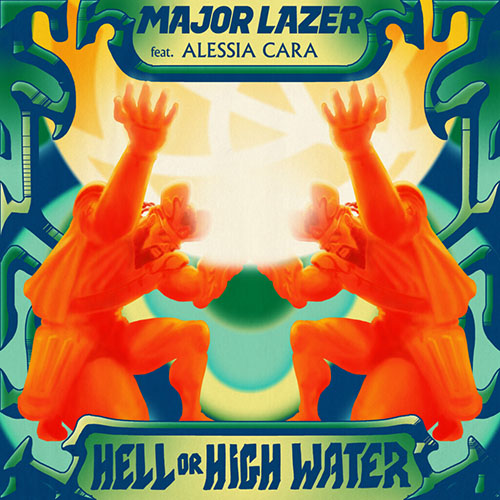
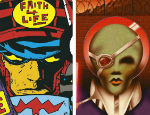
AO: Let’s turn to your work in the music industry, and Major Lazer in particular. Can you tell us about your involvement with that dance music and DJ group, the challenges of fleshing out the character for a slick graphic novel (below), and your work on the animated series?
GOUW: As I mentioned, many of my friends ended up working at record labels. One day I was picking up my friend Caius from XL Records to go for lunch and the xx was in the middle of recording with Diplo. Caius introduced me to his manager, mentioned that I’d been illustrating flyers in the scene and that I should audition for this new project they had called Major Lazer. So I sent in my drawings of the character and I got the job.
One of the earliest things I had to do for Major Lazer was an animated music video for their first single, ‘Hold The Line’. I lied and said I’d done character animations before. Then I learned by watching GI Joe YouTube videos, moving it frame by frame to see how much movement is needed per drawing. Then I drew everything on tracing paper, hahah, and coloured them in Photoshop. I then built a set for a fake toy commercial in my living room, invited my neighbours’ two kids from upstairs to act in it. It was super janky and lo-fi.
Unexpectedly it was nominated for an MTV video awards, and caught the attention of animation studios. Long story short, it was then picked up as a TV series. That was probably the best time I’ve had working for Major Lazer: the third album was blowing up, I was working with so many incredible people at the animation studio in LA (Ben Jones, John Pham, etc), in the writing room most days coming up with stupid ideas for episodes. The animated series, at least my part of it, didn’t seem hard. We had three albums of lore and storyline to work from, we just needed to expand it and make it funny.
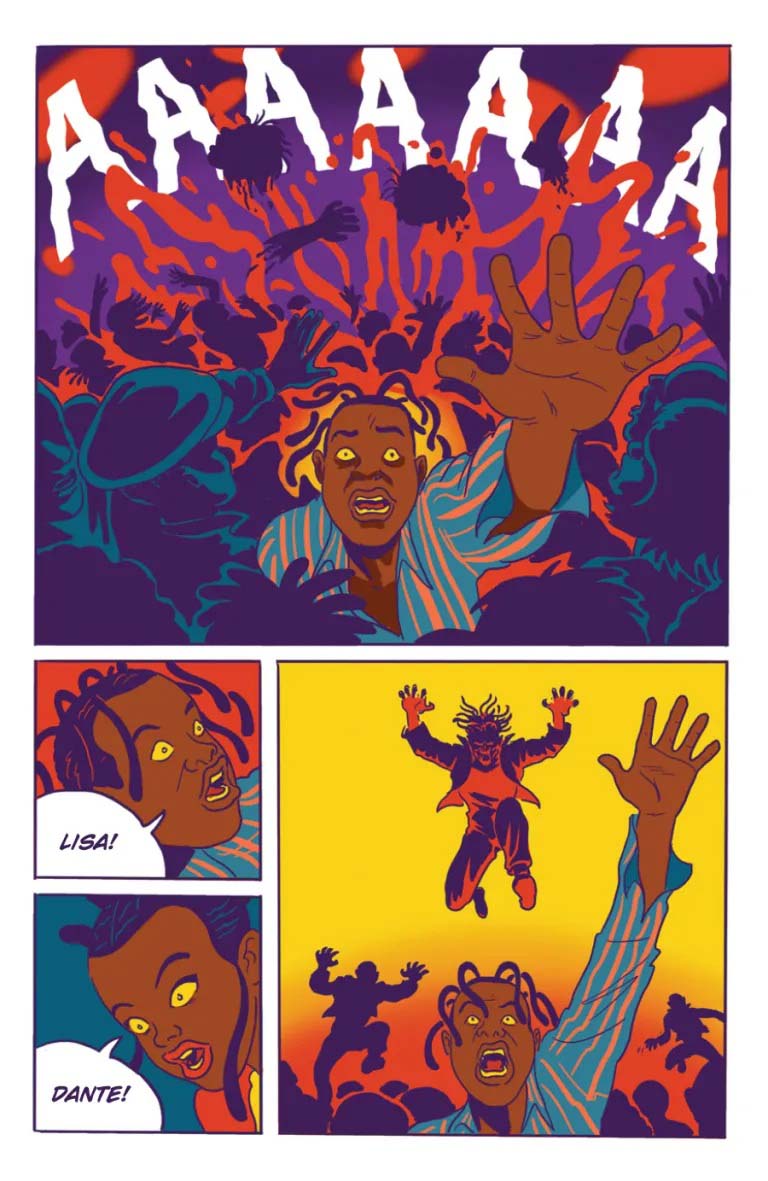
The graphic novel was more of a challenge… When I was asked to do it I hadn’t drawn comics for so long, in fact I had never drawn any longform comics before. So I tried to wriggle out of it, they promised if I could write it they could get any comic artist I wanted to draw it. WRONG. Marcos Martin was busy, Connor Willumsen wasn’t interested. So in the end I had to step up and draw it myself. It was such a crazy crash-course, my first proper attempt at working in the medium. I learned from Sammy Harkham, belatedly, that you always feel like by the time you are finishing the book you have just got good at drawing the book.
The original brief for Major Lazer stated that he was an ex-commando who lost his arm in the 1984 zombie wars. So in trying to flesh him out I thought lets try and take this premise seriously and figure out what were the zombie wars of 1984, how did he lose his arm, how did he become Major Lazer? Must have been something epic and traumatic.
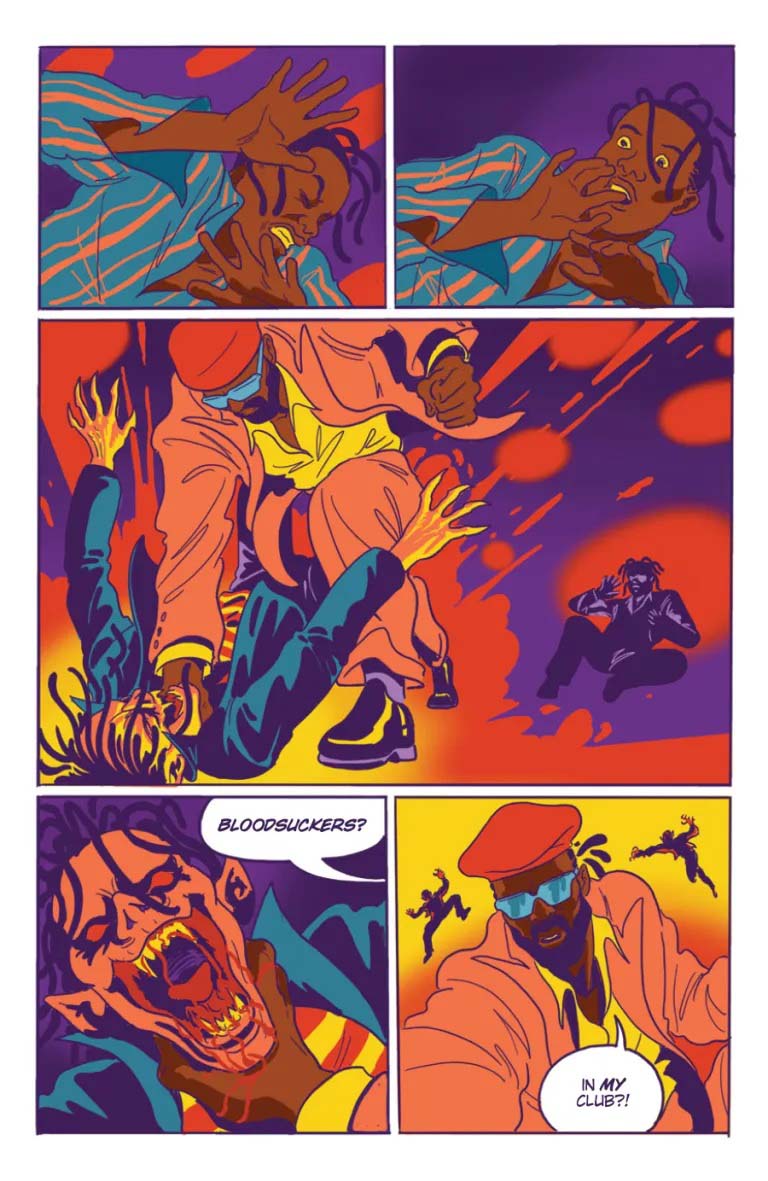
AO: The Life Cycle of Froggies (below) is your self-published graphic narrative that has a deeper underlying subtext to its playful visuals. What were the themes you were looking to explore there?
GOUW: When I was making Froggies I was in a period of grieving. I had just lost a close friend and I wasn’t in a good place mentally. I started drawing these alien/frog-like creatures initially to just doodle, and try and sharpen up my digital airbrushing skills and pass the time. I’m a keen aquarist and I subscribe to Practical Fishkeeping magazine. Slowly I realised I’d accidentally drawn a few scenes as if they were a life cycle of some species of fish, and a study in their behaviour as they’d be described in the fishkeeping magazine. So I followed this initial inspiration and tried to see where it would lead me. Looking at it, I feel like I exorcised a lot of my grief into these creatures. I also introduced the “human” character as some kind of Deus Ex Machina trope, setting in motion the successes and failures of these Froggies, breeding them into life, and disposing them in the toilet at the end of it.
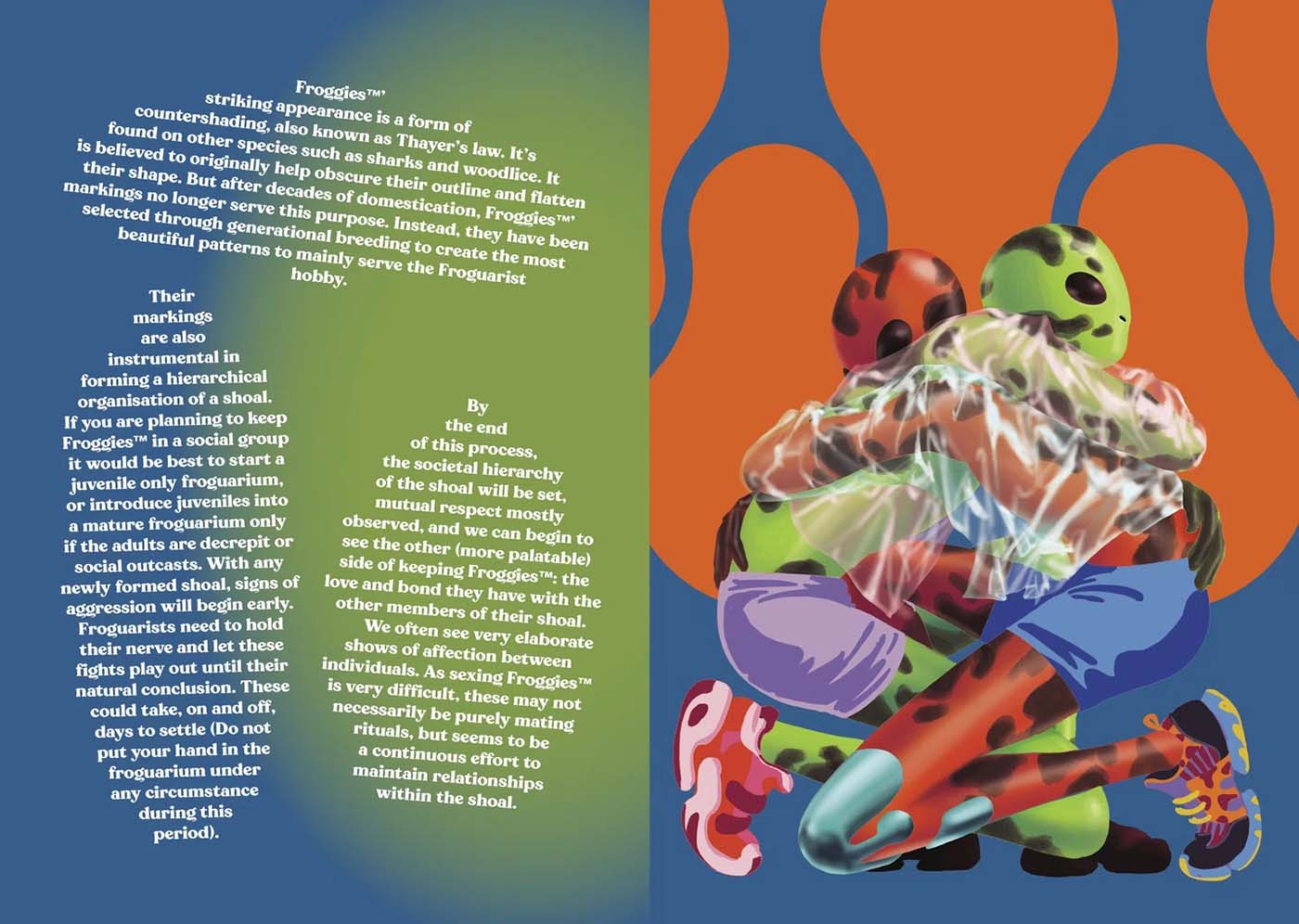
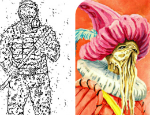
AO: Your comic Leftovers (below) caught my attention because of its M.R. James-like quality. That kind of supernatural atmosphere where the reader’s imagination and interpretation is as important as the narrative. What were the inspirations for this moody horror story?
GOUW: Wow, that’s high praise. Thank you. The inspiration came from my Indonesian background. The supernatural is a much more commonplace idea there, woven into the fabric of everyday life. So various situations often arise with competing explanations, one based in logic and facts, the other in sheer superstition. Both coexist and are equally valid. I realised this duality creates a tiny gap of doubt. I find often for me it is this doubt, this suspension of knowing one way or the other, that creates the most fear. So Leftovers was an exercise in creating a horror genre-piece that explores this idea. It’s less to do with horrific illustrations and more about atmosphere and lack of certainty in what you’re seeing. On the technical side I was so inspired by Joe Kessler’s work, and his risograph colour separations I wanted to challenge myself to try and do something technically accomplished.
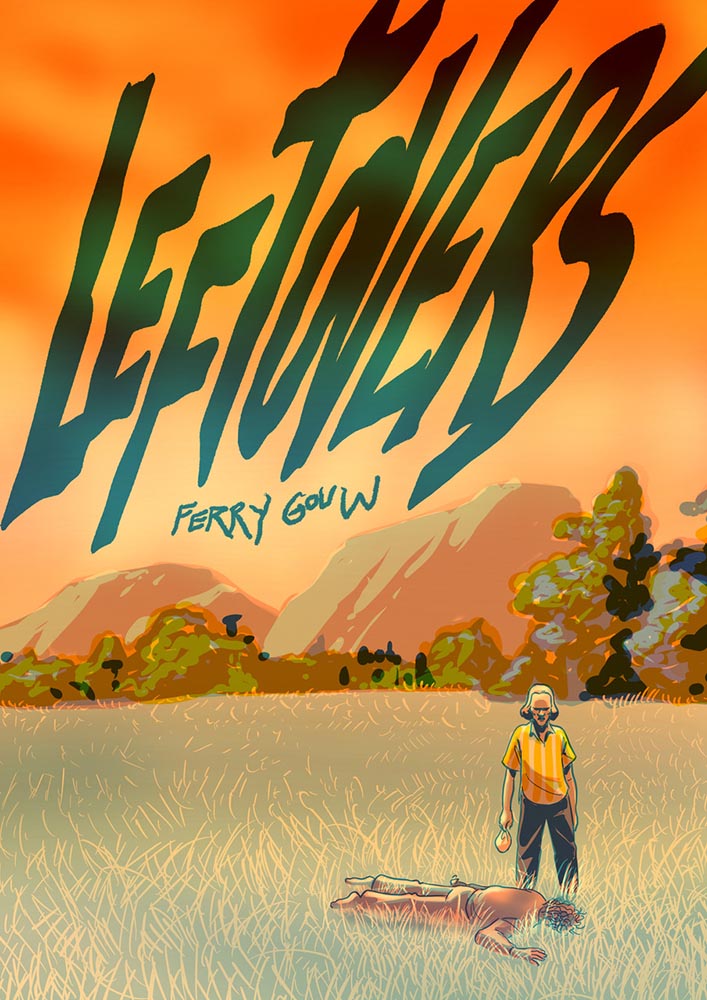
AO: What is very noticeable looking through your work is how malleable your art can be in terms of approach – how you adapt your style to fit the tone of different projects. What mediums do you work in and can you give us some insights into your creative process?
GOUW: I think this is probably to my detriment by this point, hahah. Because I was always art directing other people’s projects I wanted to bring their ideas to life, and I’m very good at reading styles, mimicking, blending, paying homage to all kinds of references. Whatever was in the service of the project I would try to adapt my style to fulfil it. I think coming back to making my own zines and comics has freed me up to try and stamp my own style, and find a visual language I can call my own, that I’m comfortable exploring for my own purpose.
Nowadays I work on an iPad (Procreate). Immediacy is always my most important criteria. I want to get the idea down as quickly as I can, while I have the time and focus. I find I can create the same workflow with layers and colour separations in Procreate as I would in Photoshop as I prepare it for print, it cuts out so much faffing around with scanning, etc. But I also hate that I have no physical trace of the drawings, so sometimes I still draw on paper, like for my Twenty Indonesian Ghosts zine. I then gave all the original drawings away, hahah, so I still don’t have them.
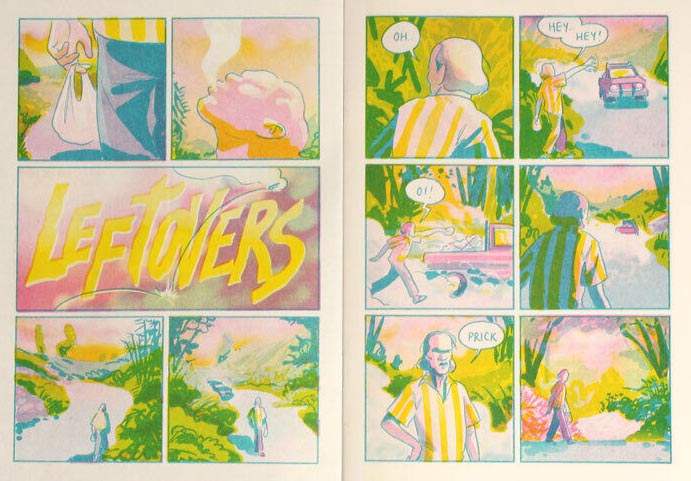
AO: Colour is such a vital part of your storytelling from the limited palette of Memory to Flesh to the vibrant hues of Major Lazer. Can you tell us about how you use colour in your work to create atmosphere or enhance tone?
GOUW: To be honest I am always trying to avoid dialling up the colours as some kind of cheat code to achieve a physical zingy response. Vibrant colours are so fun, it brings illustrations to life. When they rub against blacks or deeper colours they seem to pop even more, when they are all zingy they create a loud atmosphere. Especially now that everything is seen on a screen, in RGB instead of the CMYK of print. My temptation is to just blindly follow this urge (as is the case with most of my Major Lazer work, I guess that suits the music). But now that I am working in risograph, and longer form books I try to use colours more strategically and consciously, I try and develop a dynamic movement from one colour story to the next, coming in and out of darkness, highlighting certain moments, obscuring others.
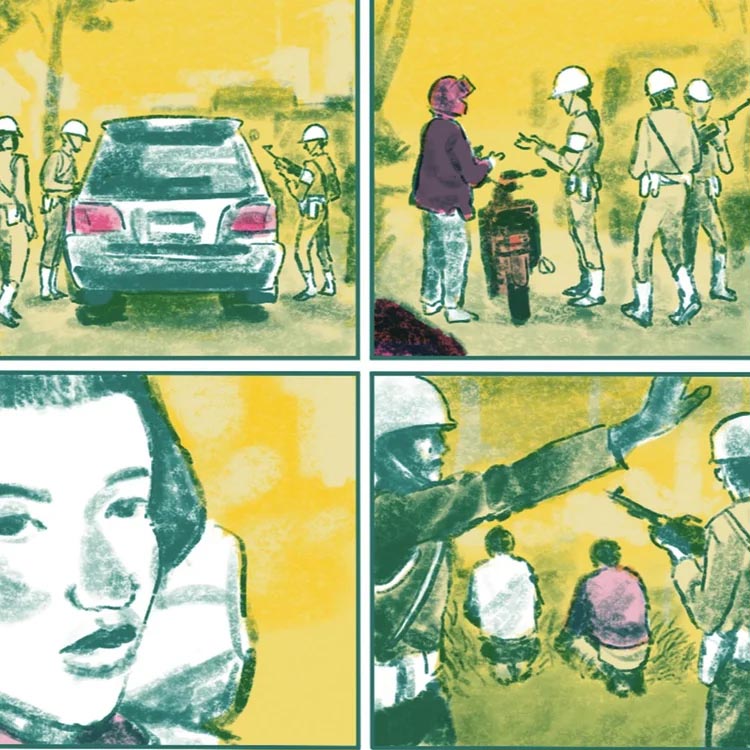
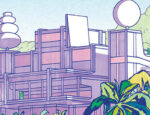
AO: Your new comic Limbo (above and below) from Breakdown Press launches in July. What’s the premise of the book and what are the themes it looks to explore?
GOUW: First off, I think Limbo is probably the best work I’ve ever done in any medium. Or at least that’s how I feel right now, having just seen the physical book. I used the theme of the supernatural, which I started exploring in Leftovers, but used it for much more personal ruminations on identity, politics, and mostly what it means to make art in a world that’s collapsing. The story starts with an artist who’s making work at a residency in a luxurious resort while some kind of political upheaval is happening just outside its gates. A chance encounter with a dog while he goes for a run one night changes the trajectory of the story and sets in motion a series of events that is horrific, tragic, and exposes the social structures at play.
Going back to fishkeeping (lol), I recently had an epiphany that while you observe the behaviour and movement of the fish: watch how the males joust for dominance, or hide from tank bullies, how they mate and breed, what you are really observing is the size and shape of the aquarium, i.e. its architecture. I felt the same way about Limbo: in exploring the story of these characters what I end up describing is the shape and structure of the world they (and I) live in.
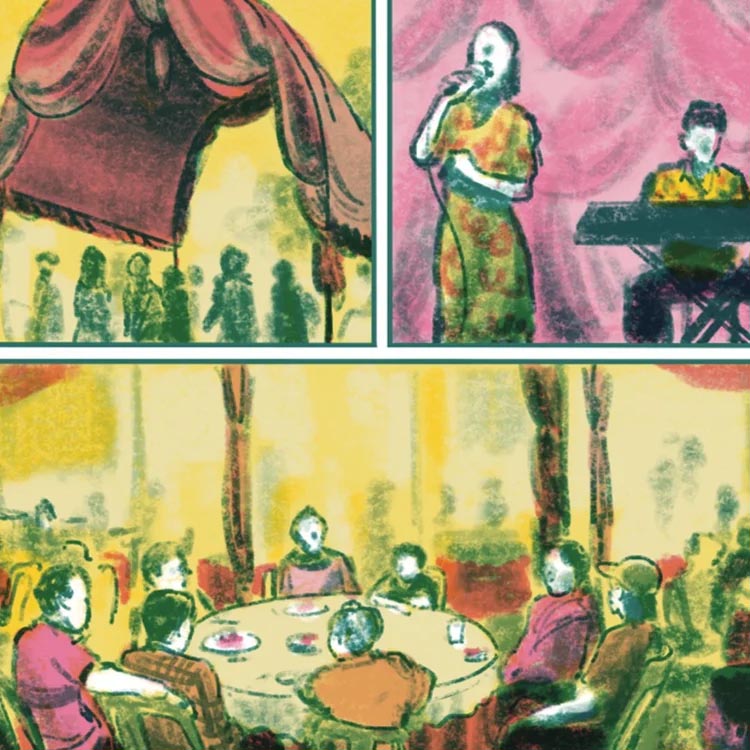
AO: And, finally, what can we expect next from Ferry Gouw both inside and outside of comics? What are you working on next?
GOUW: Well, Limbo is the first of two loosely related stories with the same theme. I’m about to start work on this second story. The two of them will hopefully be collected (maybe with Leftovers, or others in between) as a big volume at some point. I would really love that. In the meantime I want Limbo to find its readers so I’m doing a few zine fairs this summer.
Outside of comics I’m developing a horror animated series called Haunts. I design for a few things that are super fun, stuff for the food collective Ghetto Gastro, my friend’s esoteric record label TUAWKI. I design stuff for Breakdown Press and Candlestick Paper. I’ve also created a mascot character for the relaunch of the iconic fashion brand Silas.
But mostly I’m hanging with my kid and designing stuff for his school’s PTA.
Interview by Andy Oliver
Visit Ferry Gouw’s website here and online store here
Limbo launches at Gosh! Comics on July 2nd
Ferry Gouw will be tabling at the ARC Festival comics fair on July 11th-12th. For the full details on everything ARC has to offer check out their website here.
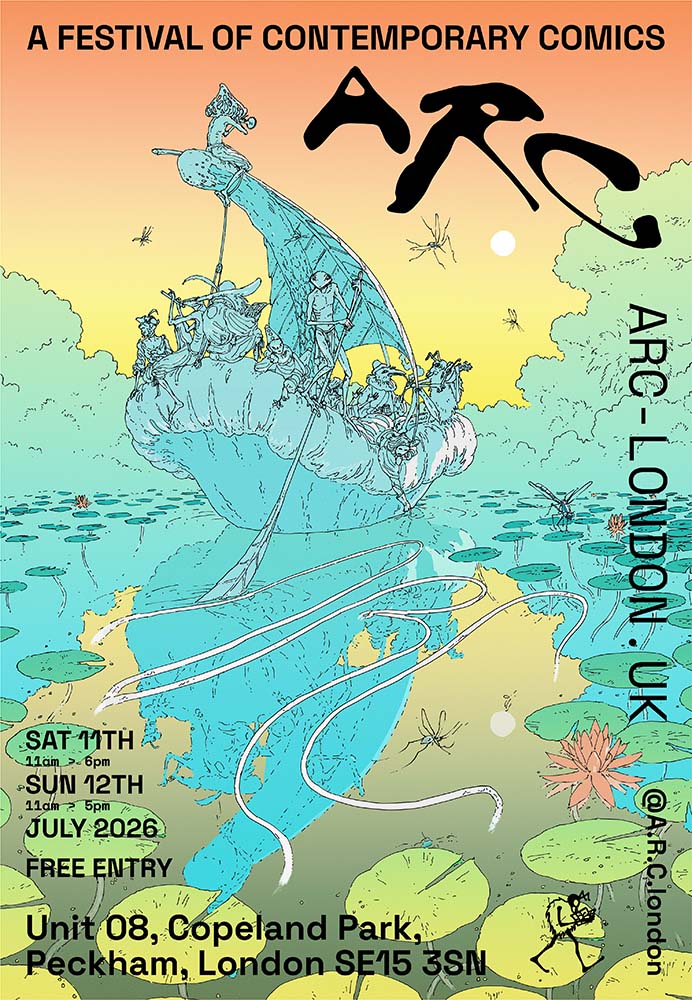
Poster by Lando